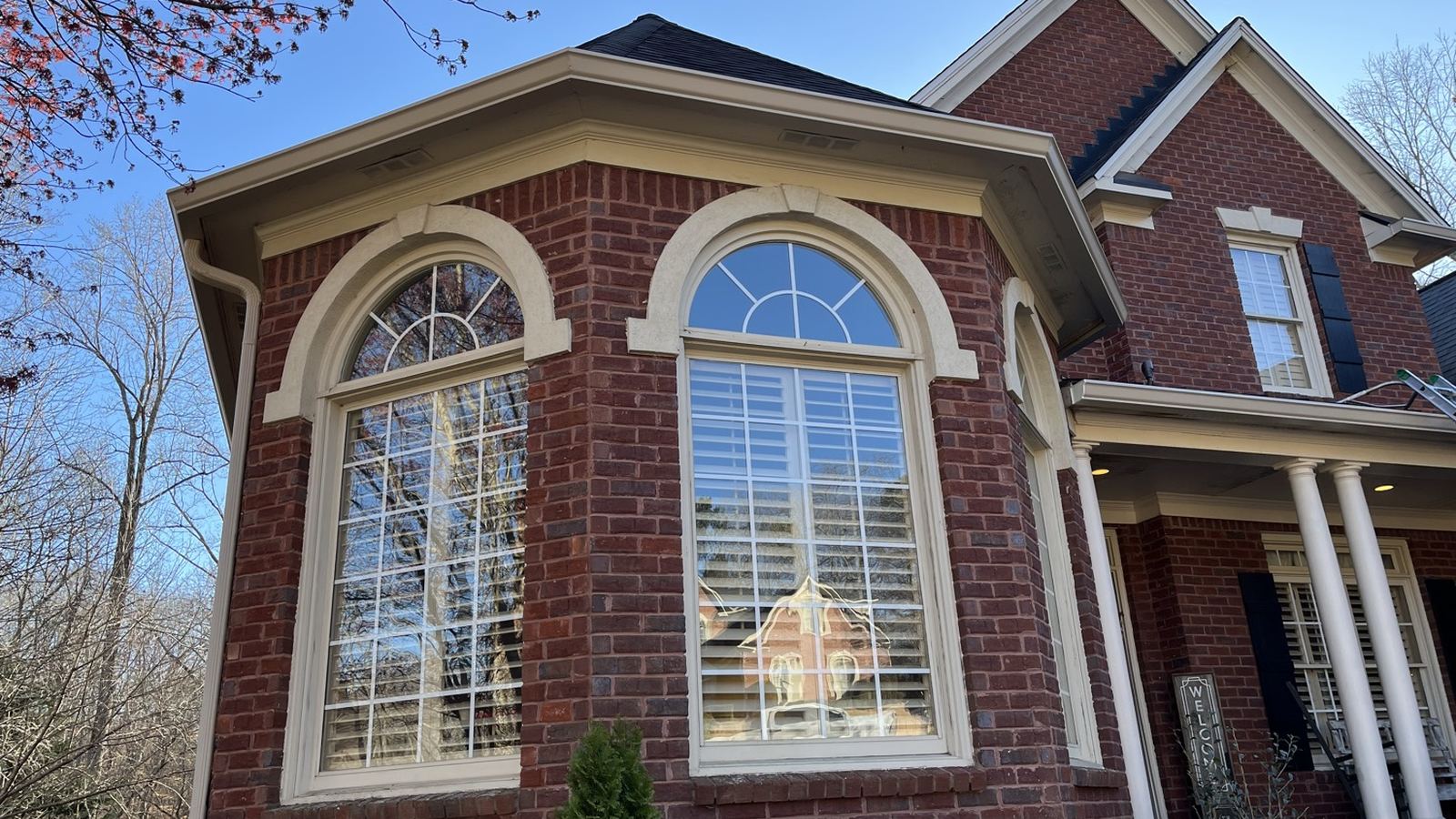
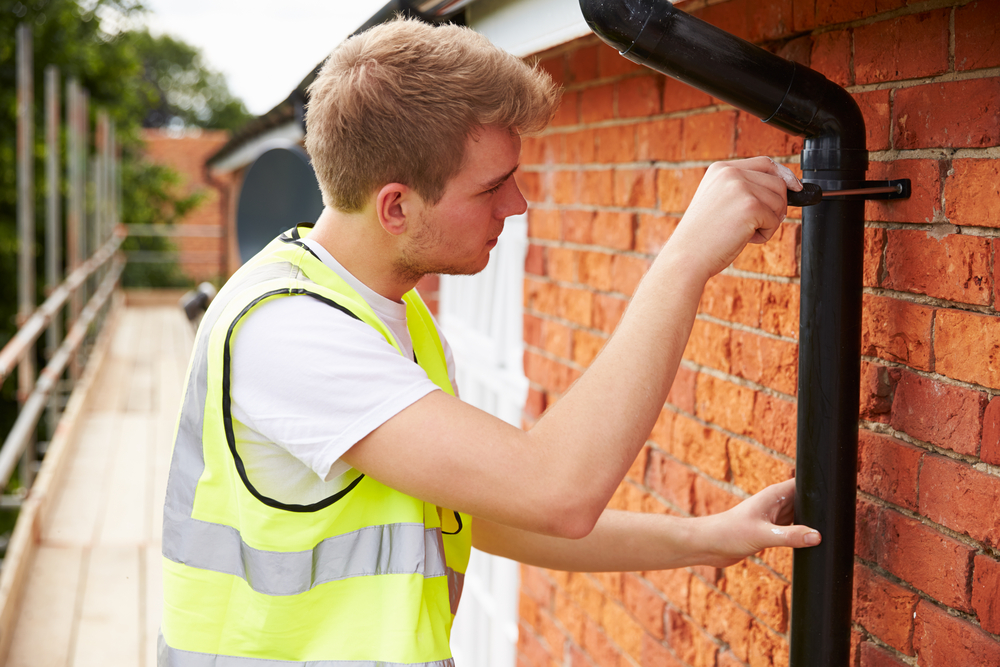
Your roof gets a lot of the credit for protecting your home, but your gutters are doing an equal amount of heavy lifting. Every time it rains, they route hundreds of gallons of water safely away from your foundation, siding, and landscaping. Because they work so hard, they wear down over time.
Homeowners often ask us, “How long do gutters last on a house?” It is a great question, but there is no single answer. The lifespan of gutters depends heavily on the materials used, the quality of the installation, and how well you keep up with routine maintenance.
If you are a homeowner trying to plan for future home improvements, understanding your gutter lifespan is essential. Waiting too long to replace failing gutters usually leads to much more expensive repairs, like fixing a cracked foundation or replacing rotted fascia boards.
In this guide, we will break down the average life of gutters by material, explain the factors that shorten their usability, and share the clear signs that tell you exactly when to replace gutters on a home.
How Long Do Gutters Typically Last?
When you look at the average life of gutters across all homes and materials, you will generally see a range of 20 to 50 years. That is a wide gap, and it exists because not all gutter systems are created equal.
If you have basic vinyl gutters that endure harsh winters and heavy sun, they might barely make it to the two-decade mark. On the other hand, a high-end copper system on a well-maintained home can last a lifetime. For most standard residential homes equipped with aluminum systems, you can typically expect a functional gutter lifespan of roughly 20 to 30 years before they require a full replacement.
Knowing how long do gutters last before replacement is about looking at your specific setup. A realistic timeline helps you budget for an eventual upgrade, so you aren’t caught off guard when your current system starts showing its age.
Gutter Lifespan by Material
The material hanging on your roofline is the biggest factor determining how many years of service you will get. Let’s look at the most common options and their realistic lifespan ranges.
Aluminum Gutters Lifespan
Aluminum is the most popular choice for residential homes today. It strikes a great balance between affordability, durability, and rust resistance. So, how long do aluminum gutters last? Usually, the average lifespan of aluminum gutters falls between 20 and 30 years. Because aluminum does not rust like steel, it holds up incredibly well against constant moisture. However, it is a relatively lightweight metal, which means it can be susceptible to denting from heavy hail or falling tree branches.
Copper Gutters Lifespan
Copper is the premium option in the gutter industry. It is highly durable and brings a unique, classic aesthetic to high-end and historic homes. How long do copper gutters last? When properly installed, a copper gutter lifespan can easily range from 50 to 100 years. Instead of rusting, copper develops a greenish patina over time that actually protects the metal from further corrosion. While the upfront cost is significant, you will likely never need to replace them again in your lifetime.
Steel Gutters Lifespan
Steel gutters are incredibly strong and hold up well to heavy snow loads and impacts. There are a few different types, but galvanized steel is the most common. A typical galvanized steel gutter lifespan ranges from 15 to 25 years. Steel gutters, how long do they last completely depends on their protective coating. Once the galvanized coating wears off or gets scratched, the raw steel is exposed to water and will start to rust. Stainless steel options last longer, but they are considerably more expensive.
Vinyl Gutters Lifespan
Vinyl is often chosen for cheap, DIY projects because it is lightweight and easy to snap together. When comparing an aluminum vs vinyl gutters lifespan, vinyl falls quite short. How long do vinyl gutters last? You can usually expect a vinyl gutters lifespan of about 10 to 20 years. Vinyl tends to become brittle over time, especially in climates with extreme cold or intense sun exposure. This leads to cracking, warping, and premature failure.
Seamless Gutters Lifespan
Rather than being pieced together in sections, seamless gutters are custom-cut on-site from a single continuous roll of metal (usually aluminum). How long do seamless gutters last? A seamless aluminum gutters lifespan is typically 25 to 35+ years. Because they lack the seams and joints found in sectional gutters, they are far less likely to leak, sag, or gather trapped debris, which significantly boosts their longevity.
What Affects How Long Gutters Last?
Material is only part of the equation. Gutter durability and why gutters fail also depend heavily on the environment and how the system was put together. Here are the main gutter lifespan factors.
Climate and Weather Exposure
Your local weather plays a massive role in your gutter lifespan. Homes in areas that experience heavy snowfall and ice dams put immense weight and stress on gutter brackets. Coastal areas with salty air can accelerate corrosion on certain metals. Even intense, prolonged sunlight can bake and degrade vinyl systems faster than expected.
Tree Coverage and Debris
If your house is surrounded by large, overhanging trees, your gutters will have to deal with a constant barrage of leaves, pine needles, and twigs. When wet debris sits in your gutters for months, it adds heavy weight that causes sagging. The trapped moisture also accelerates rust in steel gutters and speeds up the breakdown of sealant in sectional gutters.
Gutter Maintenance Frequency
Neglect is the number one killer of gutters. If you never clean them out, the water has nowhere to go. It backs up, overflows, and causes the gutters to pull away from the fascia board. Regular maintenance directly extends the life of your system.
Installation Quality
Even the highest quality copper or heavy-gauge aluminum will fail early if installed poorly. Poor pitch (the slight angle needed for water to flow to the downspout), incorrect hanger spacing, or using the wrong type of screws can cut a gutter’s life in half. Professional installation ensures the system is structurally sound from day one.
Gutter Size and Water Capacity
Standard gutters are usually 5 inches wide, which is fine for many homes. But if you have a large, steep roof, a 5-inch gutter might easily be overwhelmed by heavy downpours. When water constantly overflows because the gutters are too small, it stresses the system. Upgrading to 6-inch gutters can prevent this strain and extend the life of the installation.
Signs Your Gutters Are Reaching the End of Their Lifespan
You don’t need to guess if your system is failing. There are very specific signs gutters need replacement. If you notice these old gutters problems, it is time to start planning for an upgrade.
Sagging Gutters
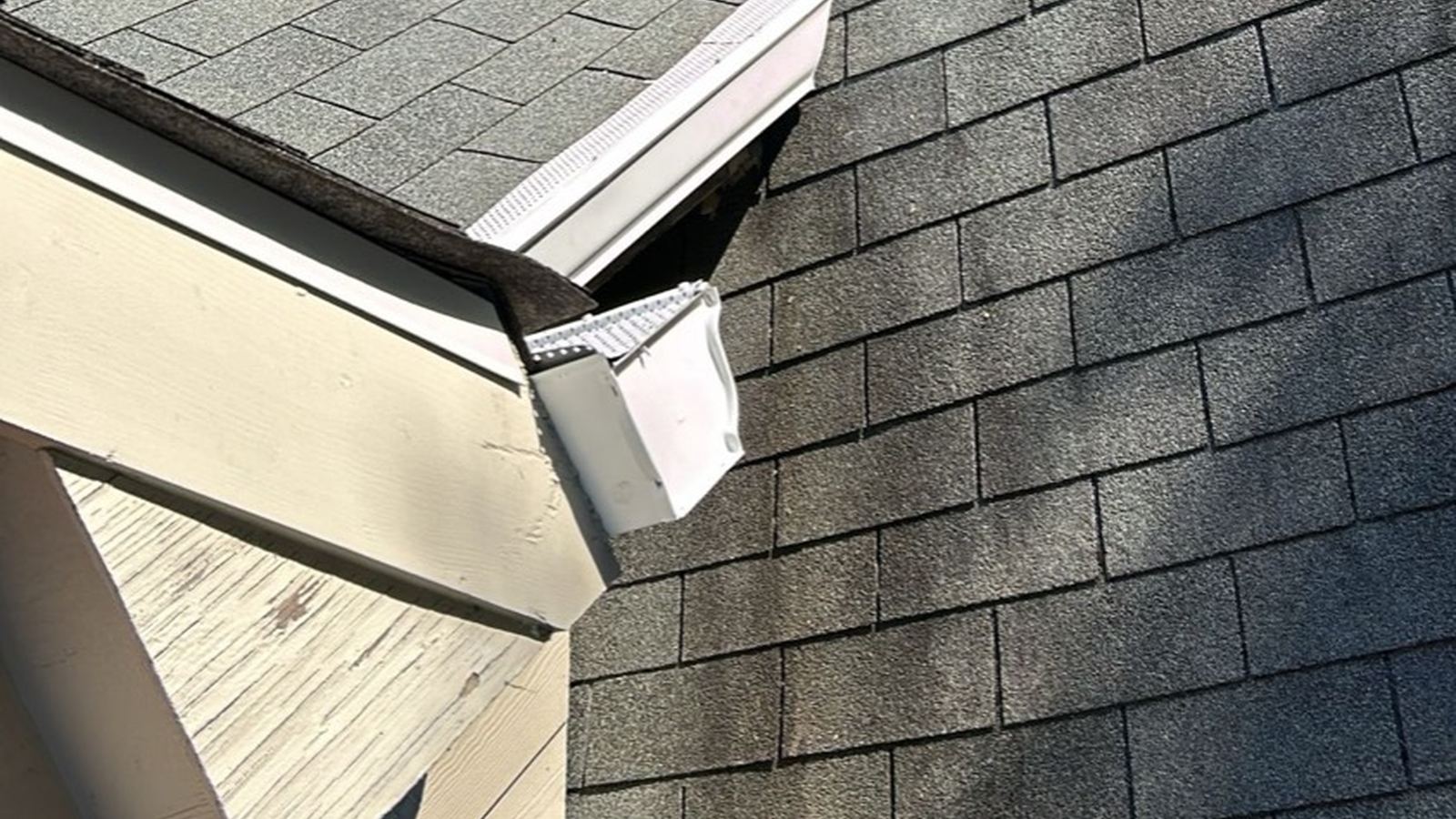
Gutters should sit flush and straight along your roofline. If you notice them pulling away from the house, dipping in the middle, or hanging loosely, the hangers have likely failed. Sometimes this can be repaired, but widespread sagging usually indicates the metal has warped or the fascia board behind it has rotted.
Leaks and Separation
If it is raining and you see water dripping from the middle of your gutters rather than flowing out the downspout, you have a problem. This is incredibly common with old sectional gutters where the seams have finally given out. Constant leaks mean the sealant is failing, and if the sections are separating, a replacement is the safest bet.
Rust and Corrosion
Take a close look at the bottom of your gutters. If you see orange rust spots or areas where the metal is completely eaten through, the structural integrity is gone. Rust spreads quickly, and patching it is only a temporary band-aid.
Peeling Paint or Water Stains
If the paint on your home’s siding directly beneath the gutters is bubbling or peeling, or if you see brown water stains running down your exterior walls, your gutters are failing to contain the water. This means moisture is overflowing the back of the gutter and getting trapped against your home.
Water Pooling Around Foundation
The whole point of gutters is to push water away from the base of your house. If you notice puddles, deep trenches, or basement leaks after a rainstorm, your gutters and downspouts are no longer doing their job. This is a major warning sign that you need to evaluate when gutters need replacing.
Do Seamless Gutters Last Longer?
When homeowners ask us about seamless vs sectional gutters lifespan, the answer is a definitive yes for seamless.
Sectional gutters are sold in pre-cut lengths that are linked together with connectors and heavy sealants. Every single one of those seams is a weak point. Over years of expanding in the summer heat and contracting in the winter cold, that sealant cracks. Leaves get snagged on the inner ridges of the seams, causing blockages. How long do sectional gutters last? Often, you will start seeing significant leaks at the joints within 10 to 15 years.
Seamless gutters durability comes from eliminating those weak points. A seamless machine extrudes a single, continuous piece of metal customized to the exact length of your roofline. The only seams are at the very corners and the downspout outlets. Fewer seams mean drastically lower chances of leaks, fewer clogs, and a much longer, trouble-free lifespan.
How to Make Gutters Last Longer
If your current system is still in decent shape, you want to protect your investment. You can easily extend gutter lifespan by following a few practical gutter maintenance tips. Here is how to make gutters last longer.
Regular Cleaning
You should clean your gutters at least twice a year, once in the spring and once in the late fall after all the leaves have dropped. Removing the heavy, wet sludge prevents water from backing up and takes unnecessary weight off the gutter hangers.
Installing Gutter Guards
If you live in a heavily wooded area, gutter guards are a smart upgrade. They act as a filter, allowing water to flow into the trough while keeping leaves, pine needles, and pests out. By keeping the inside of the gutters dry and clear of debris, you reduce the risk of rust, sagging, and ice dams.
Proper Downspout Drainage
Make sure your downspouts are clear and directing water at least three to four feet away from your foundation. Adding downspout extensions ensures water doesn’t pool directly under the gutter system, which helps manage ground moisture and protects your foundation.
Fixing Small Issues Early
If you notice a loose bracket, a single dripping seam, or a slightly misaligned downspout, fix it immediately. Small problems escalate quickly in the gutter world. Re-securing a loose screw today can prevent a whole section of gutter from collapsing during a heavy storm tomorrow.
When Should You Replace Gutters?
Deciding exactly when to replace gutters comes down to evaluating the severity of the damage and the age of the system. If your aluminum gutters are approaching 25 years old and you are dealing with constant clogs, widespread leaks, and pulling, gutter replacement timing is right now. Replacing old gutters before they completely fail is the only way to protect your fascia boards, roof decking, and foundation from severe water damage.
Repair vs Replace: What Makes More Sense?
We often help homeowners navigate the gutter repair vs replacement decision. If you have a relatively new system and a falling tree branch damaged a five-foot section, a repair is completely logical. We can patch or replace that specific area.
However, if you are constantly paying to seal leaks, re-pitch sagging sections, and re-attach loose hangers on a 20-year-old system, you are throwing good money after bad. In cases of widespread wear, rust, or multiple failing seams, it makes far more financial sense to replace old gutters entirely. A fresh installation gives you peace of mind and stops the cycle of endless patch jobs.
Get New Gutters Installed
Your gutters protect your biggest investment. If you are noticing peeling paint, sagging metal, or water pooling near your foundation, it is time to take action. Upgrading to a modern, custom-fit system will dramatically improve your home’s water management and curb appeal.
Whether you need a full gutter replacement or want to explore options for new gutter installation, our team at Top Rated Gutters is here to help. We provide honest assessments and professional gutter replacement services that you can trust. If you are ready to replace gutters that are past their prime, contact us today to schedule your professional gutter replacement . Let’s get your home protected for decades to come.
< Previous Next >

Written by
Colin Nellis
Owner · Cincinnati, OH
Owner of Top Rated Gutters of Cincinnati, with a career built in home improvement on honest, high-quality service.