If you have pine trees anywhere near your home, you already know the frustration: your gutters fill up faster than you’d believe possible, and standard gutter guards don’t seem to help the way you hoped. The honest truth is that pine trees are the ultimate stress test for any gutter protection system, and most guards on the market are not built to pass it. Here’s what actually works, and why.
WHY PINE TREES ARE THE HARDEST TEST FOR GUTTER GUARDS
1. What Makes Pine Debris So Problematic
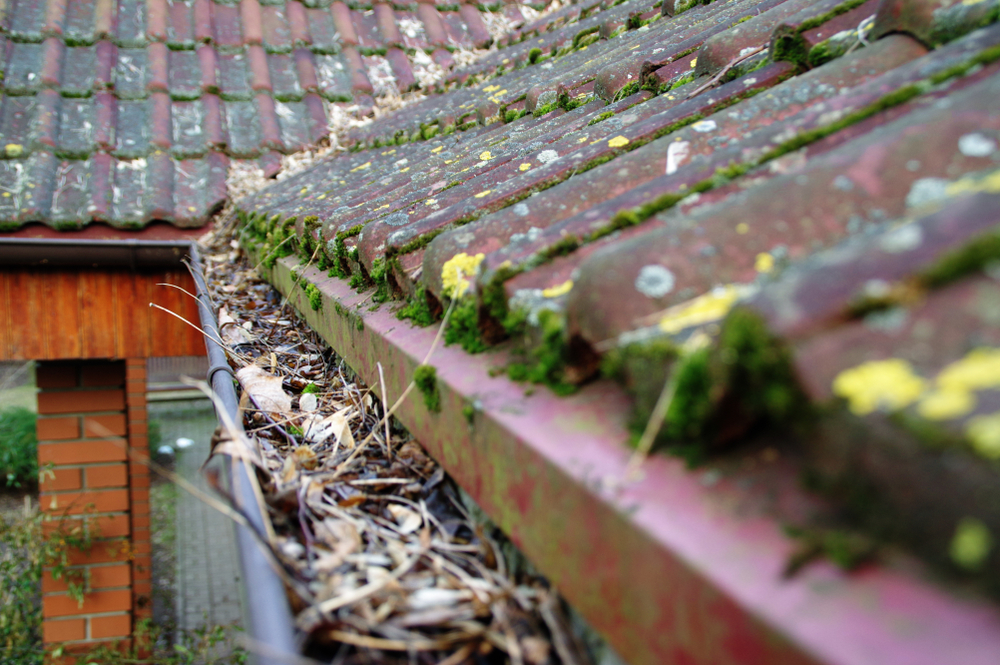
Pine trees shed constantly, not just in fall, but year-round. Needles are thin and short enough to slip through openings that would stop larger leaves, and they don’t break down easily. On top of that, pine trees produce sap and pollen that creates a sticky residue inside gutters and on guard surfaces. This residue acts like glue, causing needles and small debris to clump together and form blockages that water can’t push through. No other tree creates quite this combination of volume, size, and stickiness.
2. Micro-Mesh Guards: The Best Option for Pine Needles
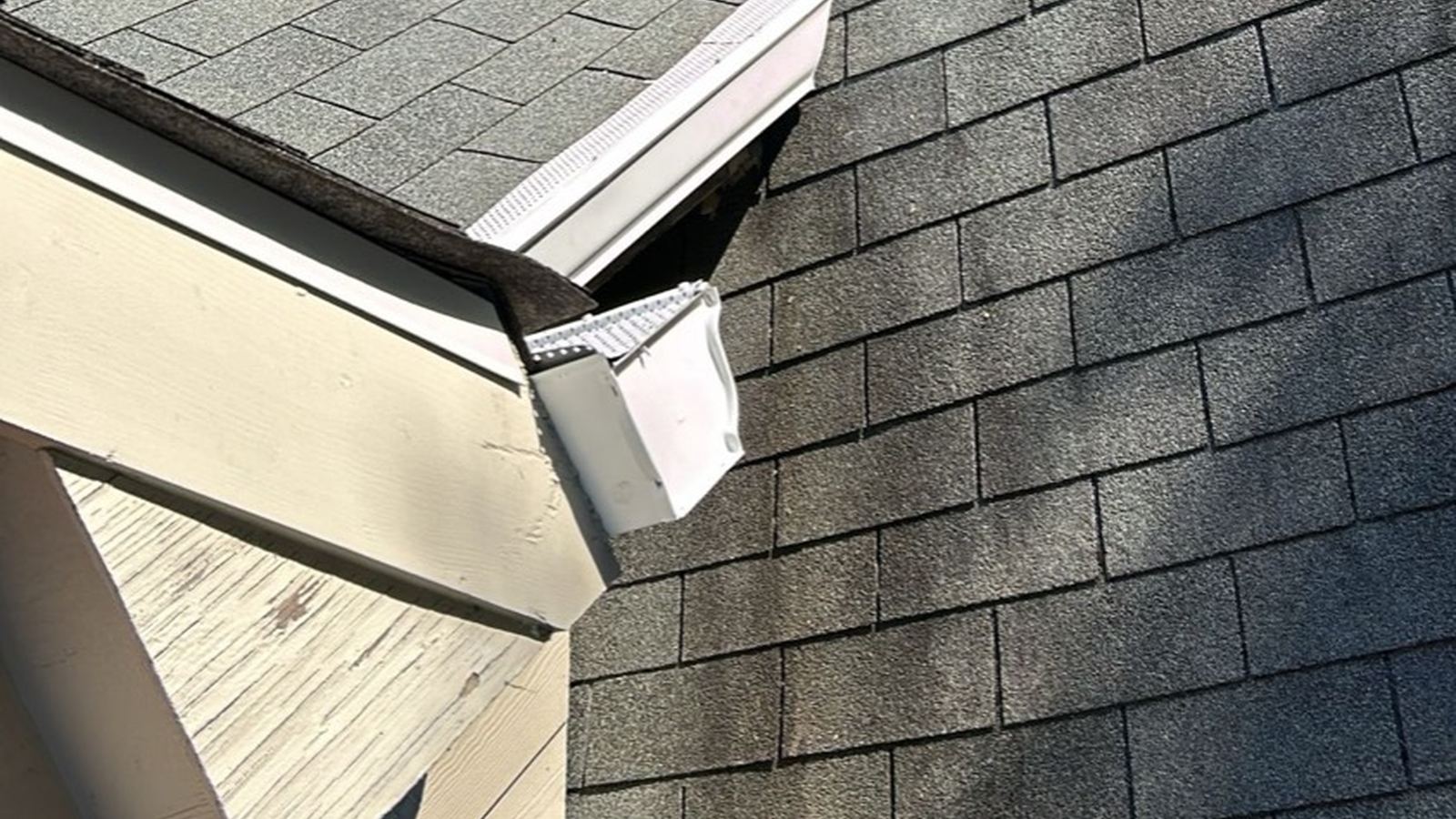
If you’re in a pine-heavy yard and serious about gutter protection, micro-mesh is the only guard style that consistently performs. These guards feature an aluminum or stainless steel frame with an extremely fine mesh screen, typically measured in microns, that blocks even the smallest needles while still allowing water to pass through at a reasonable rate. Quality micro-mesh guards (not the cheap big-box store versions) are the closest thing to a genuine solution for pine tree properties. They still require periodic cleaning, but they dramatically reduce how often you’ll need it.
3. Reverse Curve / Surface Tension Guards: Why They Fail With Needles
Reverse curve guards, the kind that use surface tension to direct water over a curved lip and into the gutter, look impressive in demonstrations with leaves. But pine needles laugh at them. The needles are light enough to float over the curve and pile up along the guard’s surface and inside the channel opening. They don’t roll off; they accumulate. Eventually the debris bridges the opening and water overshoots the gutter entirely. These guards are popular and heavily marketed, but they’re a poor match for pine tree environments.
4. Foam and Brush Inserts: Temporary at Best
Foam inserts and brush-style guards sit inside the gutter and are designed to let water seep through while blocking debris. In theory, this sounds smart. In practice, pine needles work their way into both materials and become nearly impossible to remove. The debris doesn’t sit on top, it embeds itself. You end up with gutters that are even harder to clean than if you had no guards at all. These products work reasonably well for large leaf debris in temperate climates, but they’re not a long-term solution for pine-heavy properties.
5. Half-Round Gutters and Larger Downspouts Help With Flow
While guard selection is the most important factor, the gutter system itself matters too. Half-round gutters have a smoother interior curve with no flat bottom for debris to settle on, which makes them easier to flush clean. Paired with 3×4-inch downspouts (instead of the standard 2×3), water and lighter debris have a better chance of moving through before clogging. These upgrades won’t replace proper guards, but they reduce the frequency and severity of backups.
6. Why Regular Cleaning Is Still Needed, Even With Guards
This is where we have to be completely straight with you: even the best micro-mesh gutter guards on the most professionally installed system will still need periodic cleaning if you have pine trees. Pine pollen and resin can coat guard surfaces over time, reducing water penetration. Needles can accumulate on top of the mesh and form a mat. A home with significant pine tree coverage should expect at least one professional cleaning per year, possibly two. Anyone telling you that gutter guards mean you’ll never clean again is overselling it, especially in pine-heavy yards.
Homeowners in areas like Marietta, Cumming, and across Central Georgia know this reality well. The pine tree density in much of Georgia means gutter systems need to be matched to the environment, not just the house.
7. Getting a Site Assessment From a Professional
Not all yards, or all homes, have the same needs. The number and proximity of your pine trees, the pitch of your roof, the size of your gutters, and the direction your home faces all affect which guard system will perform best for you. A professional site assessment takes all of this into account and helps you avoid spending money on the wrong solution. If you’re in Georgia, whether in Cumming, Marietta, or Central Georgia, the team at Top Rated Gutters offers assessments and can recommend the right gutter guard system for your specific situation.
Ready to Get Started: Gutter Guards for Pine Trees?
Stop guessing which gutter guard will actually work with your pine trees. Our team across Georgia, including Cumming, Marietta, and Central Georgia, can assess your property and install a system that genuinely performs in pine-heavy conditions.
👉 Explore your options at topratedgutters.com/gutter-guards/
—
Frequently Asked Questions: Gutter Guards for Pine Trees
Q: Will any gutter guard completely eliminate cleaning if I have pine trees?
A: No, and be skeptical of any company that claims otherwise. Pine trees produce a combination of needles, pollen, and resin that challenges every guard system. Quality micro-mesh guards significantly reduce cleaning frequency, but they don’t eliminate it entirely in pine-heavy environments.
Q: How often should gutters with guards be cleaned if I have pine trees?
A: At minimum once a year, ideally twice, once in spring after pollen season and once in fall after needle drop is heaviest. A professional can assess your specific situation and recommend the right schedule.
Q: Are expensive gutter guards worth it for pine tree homes?
A: Yes, if you choose the right type. Premium micro-mesh guards from reputable manufacturers outperform cheap alternatives significantly. The difference in materials, stainless steel vs. plastic mesh, for example, is the difference between a guard that lasts 20 years and one that warps or clogs within two seasons.
Q: Can I install micro-mesh gutter guards myself?
A: Some products are marketed as DIY-friendly, but professional installation ensures the guards are properly fitted, pitched, and secured. Poor installation can cause guards to gap, sag, or allow debris to work underneath, negating the benefit entirely.

Written by
Dan McMillan
Owner · Northwest Georgia
Owner of Top Rated Gutters of Northwest Georgia, serving Marietta, Woodstock, Kennesaw and Cobb County.