A house is only as strong as the ground it sits on. When you think about your home’s structural integrity, you probably think about concrete, rebar, and framing. You might not immediately think about the aluminum troughs hanging from your roof. Yet, those metal channels are the first line of defense keeping your home standing tall and crack-free.
Every time it rains, thousands of gallons of water hit your roof. Without a proper drainage system, all that water dumps directly around the perimeter of your house. Water is relentless. It washes away soil, creates massive pressure against basement walls, and eventually finds its way inside.
We see the aftermath of poor drainage every day. Many homeowners assume a little water spilling over the edge of a roof is no big deal until they notice drywall cracks inside the house or a flooded basement. By understanding how the water off your roof interacts with the soil below, you can save yourself tens of thousands of dollars in major structural repairs.
How Gutters Protect Your Home’s Foundation
Gutters protect your foundation by doing one simple job. They catch the water running off your roof and move it far away from the base of your house. It sounds basic, but this process of water redirection is critical for maintaining the stability of the soil supporting your home.
When soil absorbs too much water, it expands. When it dries out, it shrinks. This constant swelling and shrinking puts an incredible amount of stress on concrete walls. Gutters direct water away from your foundation, ensuring the moisture levels in the surrounding soil remain relatively consistent.
Consistent soil means a stable base for your house. Foundation protection gutters are designed to handle heavy downpours, channeling the flow into downspouts that safely deposit the water several feet away from the structure. This is why gutters are important for foundation health. Good gutter drainage foundation protection stops the destructive cycle of soil expansion and erosion before it even starts.
What Happens When Gutters Fail
When a gutter system stops working properly, the safety net protecting your home disappears. Instead of being carried safely away, water falls right next to the concrete footing of your house. This creates a highly destructive environment for your home.
Failing gutters foundation damage usually starts out of sight. The water pools at the base of the house and sinks deep into the earth. The soil becomes heavily saturated and heavy. This creates what contractors call hydrostatic pressure. The wet soil pushes violently against your concrete walls. Over time, that pressure is enough to bow basement walls and crack solid concrete.
Broken gutters foundation problems also lead to uneven settling. When water washes away the dirt under one corner of your house, that section of the house physically sinks into the ground. Overflowing gutters foundation damage is rarely a quick event. It happens slowly, storm after storm, until doors stop shutting correctly and massive cracks run up your brickwork.
Common Gutter Problems That Cause Foundation Damage
Not all drainage issues are obvious right away. You might have a system that looks perfectly fine on a dry Tuesday afternoon, but fails completely during a Friday night thunderstorm. Here are the specific problems that lead to serious structural trouble.
Overflowing Gutters Near the House
Gutters overflowing near the foundation act like a waterfall directly onto your soil. Sometimes the system simply cannot handle the volume of water hitting the roof, either because the gutters are too small or the layout is poorly designed.
When you have overflowing gutters foundation damage is almost guaranteed over time. The water spilling near the house digs a trench in the dirt right alongside your walls. This trench then traps even more water against the concrete, accelerating the deterioration of your home’s base.
Downspouts Draining Too Close to Foundation
You can have the biggest, cleanest gutters in the world, but if they dump water right at the base of your house, they are doing more harm than good. Downspouts too close to the house concentrate hundreds of gallons of water into one single, vulnerable spot.
Short downspouts foundation damage is incredibly common. We often see houses where the downspout ends just inches from the brick. This improper downspout drainage creates a massive, localized pool of water that quickly sinks down to the footing, softening the ground and causing that specific corner of the house to settle.
Clogged Gutters Causing Water Overflow
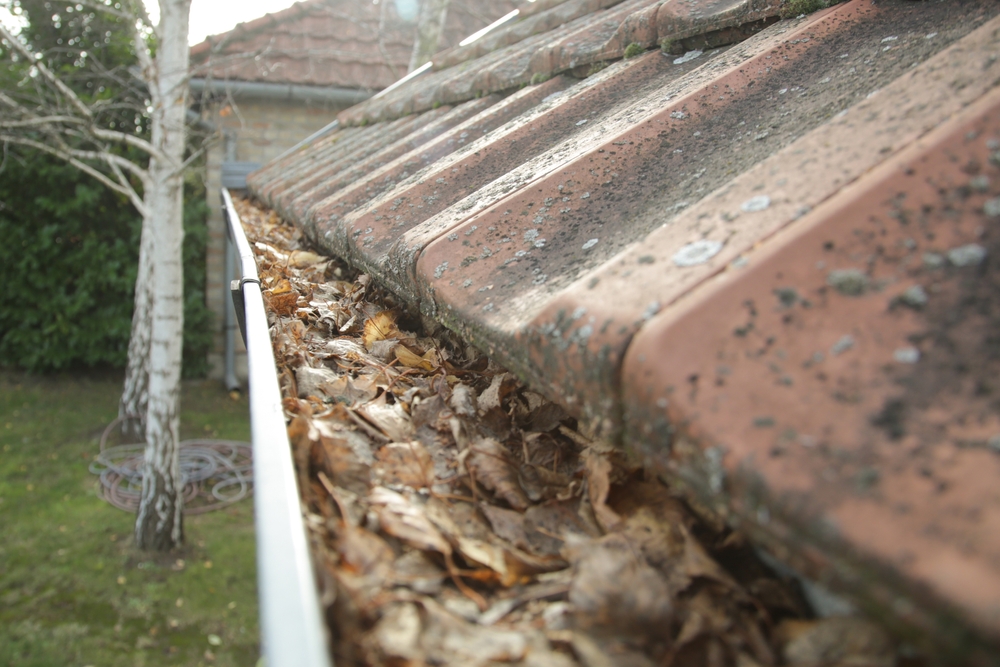
Leaves, pine needles, and roof grit create a sludge that stops water dead in its tracks. Clogged gutters foundation damage is entirely preventable, yet it remains one of the leading causes of structural issues for homeowners.
When you have blocked gutters water pooling inside the metal channels eventually has nowhere to go but over the edge. Clogged gutters overflow foundation areas relentlessly during a storm. The water also tends to run down the exterior siding, rotting wood trim and finding its way behind the brick before it ever hits the soil.
Improper Gutter Slope
Water needs gravity to flow toward the downspouts. If the pitch of your system is wrong, the water just sits there. Gutters not draining foundation issues are frustrating because the system might look totally clear from a ladder, but it still fails during a rainstorm.
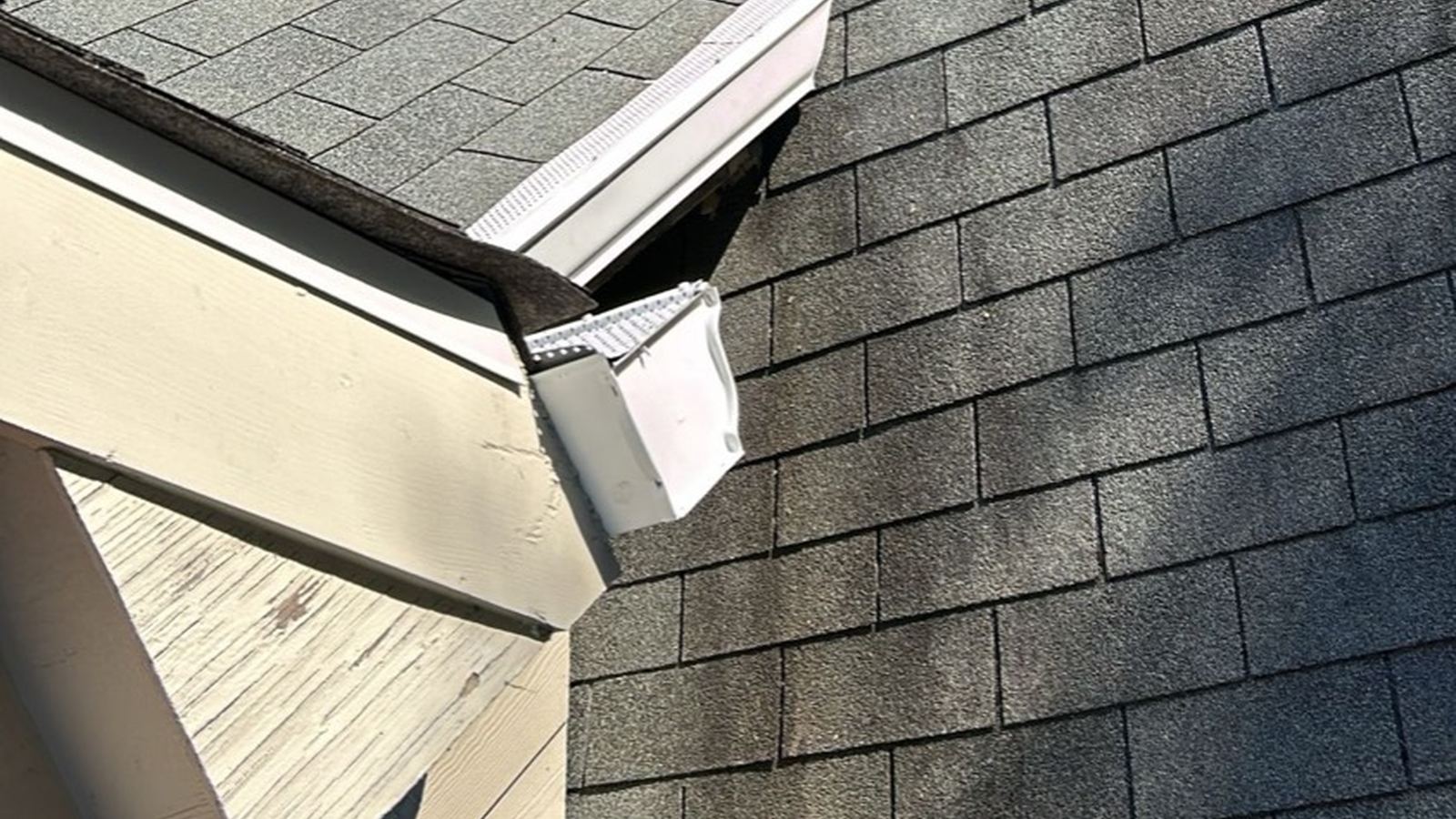
Improper gutter pitch drainage means standing water gutters foundation problems. The heavy standing water pulls the aluminum away from the fascia board. Eventually, the water spills over the back or the front, completely bypassing the downspouts and dumping right onto the ground below.
Missing or Damaged Downspout Extensions
A downspout extension is the piece of pipe at the bottom that carries the water away across the yard. A missing downspout extension means the water drops straight down the side of the house and stops.
This causes massive water pooling near the foundation. Downspout extension problems happen when lawnmowers hit the pipes, kids step on them, or they simply fall off over time. Without that extension, your entire roof’s water supply is being injected directly into the soil touching your home.
Signs Gutters Are Damaging Your Foundation
You do not need to be a structural engineer to spot the warning signs. The earth and your house will tell you when there is a serious drainage problem. You just have to know what to look for.
One of the most obvious signs gutter foundation damage is occurring is water pooling near the foundation hours after a storm has passed. If you have puddles sitting against your brick or siding, the soil below is fully saturated and cannot absorb any more moisture.
Foundation cracks gutters cause usually start small. You might notice little stair-step cracks in your exterior brickwork or cinderblocks. Inside, you might see cracks forming above the corners of your doorframes and windows.
Soil erosion near foundation gutters is another massive red flag. Look at the mulch or dirt around your house. If you see a deep trench carved out under the roofline, or if your landscaping is constantly washing away, water is hitting the ground far too hard. You will also likely notice basement moisture, a musty smell, or actual water trickling down your basement walls.
Long-Term Damage Caused by Failing Gutters
Ignoring drainage issues is an expensive gamble. Foundation damage from gutters does not fix itself. The longer the soil goes through extreme wet and dry cycles, the worse the structural damage gutters cause will become.
Eventually, the house settles so much that major repairs are required. You might need steel piers driven deep into the ground to lift the house back up. This type of work often costs tens of thousands of dollars and tears up your entire yard.
Basement leaks gutters cause will ruin finished lower levels. Drywall soaks up the moisture, carpeting gets ruined, and dangerous mold begins to grow inside the walls. Soil erosion gutters cause will also destroy your landscaping, kill your plants, and leave your yard a muddy mess. The cost of fixing poor drainage is always a fraction of the cost of fixing a broken foundation.
How to Prevent Foundation Damage from Gutters
The good news is that you can stop this damage from happening. Protecting your home simply requires active maintenance and ensuring your drainage system is actually functioning the way it was designed to.
Keep Gutters Clean
Water needs a clear path to exit your property. Prevent foundation damage gutters by keeping them completely free of debris. Depending on the trees around your house, you should be clearing out the leaves and sludge at least twice a year. If water cannot flow sideways, it will flow over the edge.
Extend Downspouts Away From House
You must protect foundation with gutters that actually move the water away. Check the bottom of every downspout on your house. The water should be discharging at least four to six feet away from the concrete. Adding a simple plastic or metal extension to a short downspout is one of the easiest ways to save your home from settling.
Fix Sagging Gutters
Take a walk around your house during a rainstorm. If you see water spilling over one specific section, look closely at the metal. If it is dipping or pulling away from the wood, the fasteners have likely failed. You need to improve gutter drainage foundation protection by re-securing the system so gravity can do its job.
Improve Gutter Drainage
Sometimes the existing layout is simply not enough. You might need to add larger downspouts to handle heavy storms, or install an entirely new downspout on a long run of gutter that constantly overflows. Proper downspout placement prevents the system from getting overwhelmed during a heavy downpour.
Install Proper Gutter System
If your system is old, undersized, or damaged beyond repair, patching it up will not save your home. You need seamless aluminum channels pitched perfectly toward the correct number of downspouts. A properly sized, properly pitched system is the ultimate defense against hydrostatic pressure and soil erosion.
Protect Your Foundation with Top Rated Gutters
Do not wait until your doors stop shutting properly or water floods your basement. If you notice water spilling over the edges of your roof, or if your downspouts are dumping water right against your brick, it is time to take action.
At Top Rated Gutters, we understand exactly how water interacts with your home. We do not just hang metal on a house; we solve complex drainage issues to keep your property safe and dry. Whether you are dealing with Common Gutter Problems, noticing Gutter Drainage Problems in specific corners, or wondering Why Gutters Overflow during every storm, our crews have the experience to find the right solution.
If your old system is failing, we provide complete Gutter Installation designed specifically for the unique roofline and layout of your house. We make sure the water flows smoothly, the downspouts are placed perfectly, and your foundation stays protected for decades to come. Reach out to Top Rated Gutters today and let us get your home’s drainage flowing in the right direction.
< Previous Next >

Written by
Anthony Kulikowski
Owner · South Bend, IN
Owner of Top Rated Gutters of South Bend, with 25+ years serving Indiana homeowners.