Every time it rains, your roof collects a massive amount of water. Your gutter system is designed to catch that water and safely direct it away from your home. But when water starts spilling over the edges or pooling around your foundation, you have a problem.
Gutters are essentially open troughs attached to the edge of your roof. Because they are open to the elements, they catch a lot more than just rain. Over time, various materials blow onto your roof, wash down the shingles, and settle right into the gutter channels.
Dealing with a blocked gutter system is frustrating for any homeowner. Water backing up can cause serious damage to your roof, fascia boards, siding, and foundation. By understanding exactly what causes clogged gutters, you can take the right steps to keep your drainage system working perfectly year after year.
Why Do Gutters Get Clogged?
Gutters clogging is a completely natural process, mostly driven by gravity and weather. Wind blows loose materials onto your roof, and rain washes all of that debris straight down into the gutter system. Because gutters sit at the lowest point of the roofline, they become the catch-all for everything.
Debris buildup in gutters usually happens gradually. A few leaves here and a little bit of dirt there might not seem like a big deal. But as that material breaks down and mixes with rainwater, it creates a thick, heavy sludge. This sludge slows down the flow of water, allowing even more debris to accumulate.
Eventually, the debris blocks the path to the downspout entirely. When water cannot flow down and out, it has nowhere to go but up and over the sides. Blocked gutters are the leading reason why gutters overflow during heavy rainstorms. Beyond just debris, issues like poor drainage design or a simple lack of routine cleaning will accelerate how fast these blockages form.
Most Common Causes of Clogged Gutters
When we inspect a home, we usually find a combination of different materials blocking the water flow. Some are obvious, while others are a bit more hidden. Here are the most frequent clogged gutters causes we see out in the field.
Leaves and Tree Debris
The number one culprit for a blocked drainage system is trees. Leaves clogging gutters is an issue almost every homeowner deals with, especially during the fall. When leaves drop onto your roof, the next rainstorm washes them straight into the channels.
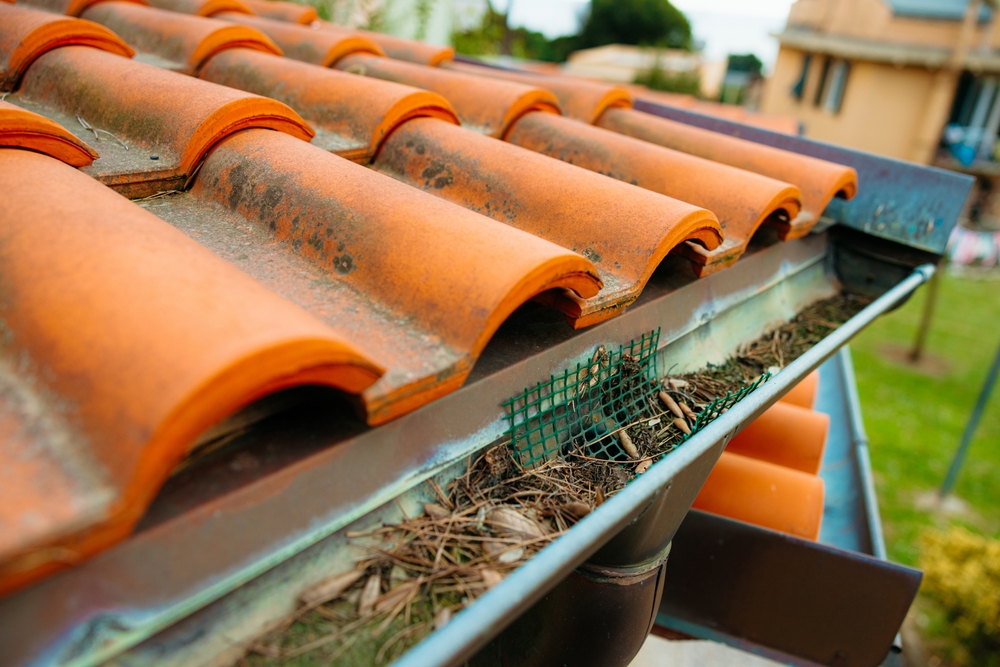
But leaves in gutters are only part of the tree debris problem. Pine needles, twigs, acorns, seed pods, and blossoms all end up in the same place. Pine needles are particularly stubborn because they interlock and form tight mats that water cannot easily pass through. Twigs often lodge themselves near the downspout opening, acting like a dam that catches all the smaller tree debris in gutters. Before long, you have gutters clogged with leaves and branches, completely stopping the flow of water.
Roof Shingle Granules
If you have an asphalt shingle roof, you likely have shingle granules in gutters right now. Asphalt shingles are coated with small, sand-like granules that protect the roof from sun damage. Over time, weather and age cause these granules to loosen.
Every time it rains, some of these roof granules wash down and settle at the bottom of the gutter channels. Because asphalt shingle debris in gutters is heavy, normal water flow is rarely strong enough to wash it down the downspout. Instead, this gutter sediment buildup sits in the bottom of the trough, trapping moisture and creating a rough surface that catches smaller pieces of debris. If roof granules clog gutters completely, it often means your roof is aging and losing its protective coating faster than normal.
Dirt and Mud Buildup
You might wonder how dirt ends up on your roof in the first place. Wind carries a surprising amount of dust, dirt, and pollen through the air. This fine material settles on your shingles during dry periods. When it finally rains, all that dust washes down, resulting in dirt in gutters.
Once that dirt mixes with water and decomposing organic matter, it turns into a thick, heavy sludge. Mud in gutters is incredibly difficult for water to push through. Gutters filling with dirt will eventually grow weeds and grass, as birds drop seeds into the nutrient-rich mud. This type of debris buildup in gutters adds a massive amount of weight to the system, which can cause the aluminum channels to pull away from the fascia boards.
Clogged Downspouts
Sometimes the main gutter channel is relatively clear, but the water still won’t drain. This usually points to clogged downspouts. The downspout is the vertical pipe that carries water from the roof down to the ground. Because the opening is relatively small, it is highly susceptible to blockages.
A blocked downspout often happens when a twig or a clump of leaves gets wedged inside the pipe, usually near an elbow joint. Once a downspout clog forms, water backing up in gutters is inevitable. The water fills the entire vertical pipe, then fills the horizontal gutter channel, and eventually spills over the front edge. Clearing a clogged downspout can be tricky, as the blockage is often out of sight and tightly packed.
Gutter Guards Getting Blocked
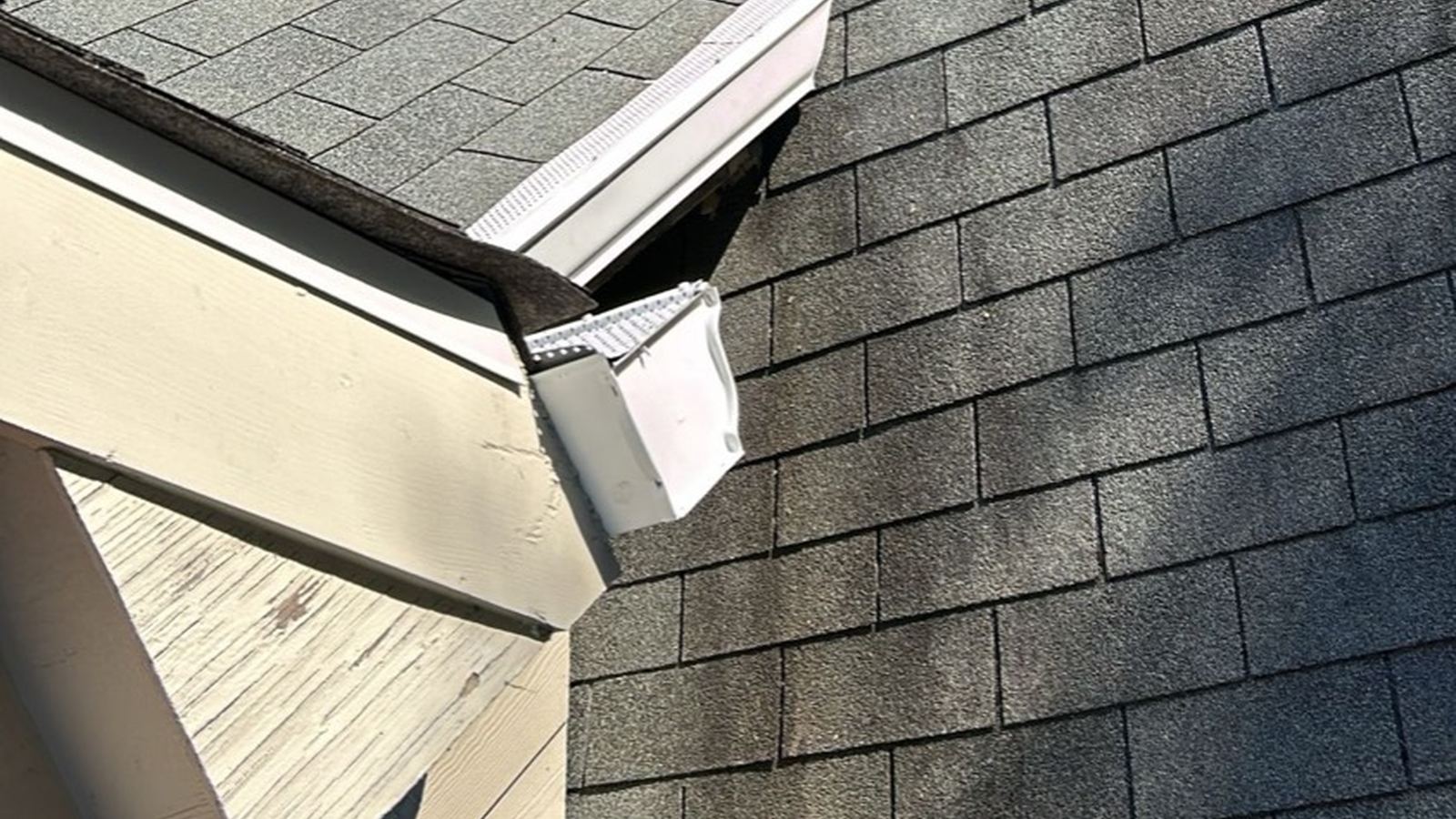
Gutter protection systems are great for keeping large debris out, but they are not entirely maintenance-free. Sometimes, the problem is gutter guards clogging. If a home has a poorly designed guard or a system with holes that are too large, debris can still slip through and cause issues inside the channel.
Even with high-quality micro-mesh systems, you can experience clogged gutter guards if a thick layer of wet leaves or pine needles simply sits on top of the screen. Debris on gutter guards blocks the rainwater from entering the system, causing the water to sheet right over the edge of the roof. Gutter guard problems like this usually just require a quick brush-off to restore normal water flow, rather than a deep cleaning of the interior channels.
Improper Gutter Pitch
Gutters might look perfectly level from the ground, but they actually need a slight slope to work correctly. This slope, or pitch, uses gravity to direct water toward the downspouts. When a home has improper gutter pitch, the water just sits there.
If the slope is too flat, or if the gutters are tilted away from the downspout, you will experience standing water in gutters long after the rain stops. Gutters not draining properly will accumulate dirt and shingle granules much faster because the water isn’t moving fast enough to flush the system. This improper gutter slope is a major cause of gutter drainage problems, and the only way to fix it is to physically detach and re-pitch the channels so the water flows correctly.
Signs Your Gutters Are Clogged
You don’t always need to climb a ladder to know you have a problem. There are several clear signs gutters are clogged that you can spot right from the ground. The most obvious indicator is water spilling over the edges during a rainstorm. If you see water cascading like a waterfall, you definitely have clogged gutters symptoms.
Another major sign is sagging. Debris and standing water add a tremendous amount of weight. If your gutters look like they are pulling away from the roofline or sagging in the middle, they are likely packed with heavy mud and debris. You might also notice dark stains or peeling paint on your siding directly beneath the gutters, which indicates dirty water is constantly overflowing. And if you see a little garden of weeds or grass growing out of your roofline, you can be absolutely certain you have gutters overflowing with leaves and dirt.
What Happens When Gutters Get Clogged?
Ignoring blocked gutters is one of the most expensive mistakes a homeowner can make. Clogged gutters damage goes far beyond just a little spilled water. When water cannot flow down the downspouts, it pools against the roofline. This pushes moisture up under your shingles, leading to severe roof rot and water leaking into your attic.
Water overflowing the front and back of the gutters also ruins the wooden fascia boards they are attached to. As the wood rots, the gutters eventually fall off completely. But the most severe water damage from clogged gutters happens at the ground level.
Gutters are meant to push water far away from your home. Overflowing clogged gutters dump gallons of water directly at the base of your house. This water saturates the soil, creating immense pressure against your basement walls. Over time, clogged gutters foundation damage leads to massive structural cracks, flooded basements, and shifting foundations.
How to Prevent Clogged Gutters
The best way to deal with a blocked drainage system is to stop it from happening in the first place. If you want to prevent clogged gutters and avoid costly water damage, you need a proactive approach. Here is how to stop gutters from clogging year-round.
Regular Gutter Cleaning
The most effective way to maintain your system is sticking to a strict gutter cleaning schedule. For most homes, cleaning the gutters twice a year is the minimum requirement. You want to clear everything out in the late spring after trees drop their seeds and blossoms, and again in the late fall after all the leaves have dropped.
Install Gutter Guards
If you live in an area with heavy tree coverage, keeping up with cleaning can feel like a full-time job. Installing a quality gutter protection system acts as a physical barrier over the channels. These guards keep leaves, twigs, and pine needles out while still allowing water to flow through, significantly reducing your necessary gutter maintenance tips and chores.
Trim Nearby Trees
Since tree debris is the primary cause of blockages, managing the trees around your house makes a huge difference. Keep branches trimmed back at least a few feet from your roofline. This prevents leaves from dropping directly into the channels and stops squirrels and raccoons from using tree branches as a bridge to your roof.
Check Downspouts
Always make sure your vertical pipes are clear. You can test this by running a garden hose into the downspout opening. If the water backs up, you have a blockage that needs to be cleared. Keeping the downspouts flowing freely is the best way to ensure the main horizontal channels can drain properly.
Inspect After Storms
High winds and heavy rain knock a massive amount of debris loose. Make it a habit to walk around your home after a major storm. Look for any new sagging, check for loose branches on the roof, and make sure the downspouts are actively draining water away from the foundation.
Professional Help for Clogged Gutters
Cleaning gutters is a dirty, dangerous, and time-consuming job. Balancing on a ladder while scooping heavy, foul-smelling mud out of a metal channel is not how most people want to spend their weekend. If your system is badly blocked, calling a professional gutter cleaning service is the safest and most effective solution.
Professional gutter cleaning ensures that the entire system is flushed and tested. Experts have the right equipment to safely remove debris, clear out stubborn downspout clogs, and check the overall health of the system. If the weight of the debris has caused the channels to sag, a professional can also handle the necessary clogged gutter repair. Paying someone to properly clean clogged gutters gives you peace of mind that the water will flow exactly where it is supposed to.
Fix Clogged Gutters with Top Rated Gutters
Dealing with poor drainage and overflowing water is stressful. You shouldn’t have to worry about foundation damage or rotting wood every time the forecast calls for rain. At Top Rated Gutters, we understand exactly what causes these common gutter problems, and we know how to fix them permanently.
Whether your home needs a thorough seasonal cleaning, structural repairs to fix poor pitch, or a top-tier gutter guard installation to keep the leaves out for good, our team has you covered. We inspect your entire system, clear out every blockage, and make sure water is safely directed away from your home. Don’t let a simple clog turn into a massive home repair bill. Contact Top Rated Gutters today and keep your roofline flowing perfectly all year long.
< Previous Next >
Matching Prevention to Your Debris
Knowing what clogs a gutter only helps if it changes what you do about it. The prevention that works depends on the kind of debris you actually get, and the common mistake is buying a solution sized for someone else's trees.
Large leaves, seasonal drop. Oak, maple and sycamore arrive mostly in one window and sit on top of a guard rather than passing through it. Almost any guard handles this, including inexpensive screens, and two well-timed cleanings a year handle it without a guard at all. Do not over-buy here.
Pine needles, continuous drop. Needles are the hard case. They thread through wide-aperture screens and stand upright in the openings until they mat, which is why screens disappoint on pine lots specifically. This is where fine micro-mesh earns its price, and where reverse-curve struggles, because needles ride the water around the nose and into the slot.
Shingle grit and pollen. This is the invisible one. Grit washing off an ageing asphalt roof and heavy spring pollen do not block a gutter so much as they film over a fine mesh, and water then sheets over the front lip. It is the failure mode of the best guards rather than the worst ones, and it is solved by brushing the surface, not by replacing the system.
Seeds, blossoms and helicopters. Small enough to pass through most guards and into the gutter, where they compost and germinate. Foam inserts are the worst option here, because they hold exactly the organic matter that then grows.
So the practical order is: identify what is actually in your gutters when they are cleaned, then choose. If nobody has ever told you what came out of them, ask at the next cleaning. It is the single most useful piece of information for deciding whether you need a guard at all, and which one.

Written by
Michael Nungesser
Owner · Central Georgia
Owner of Top Rated Gutters of Central Georgia with 20+ years in home improvement across the state.