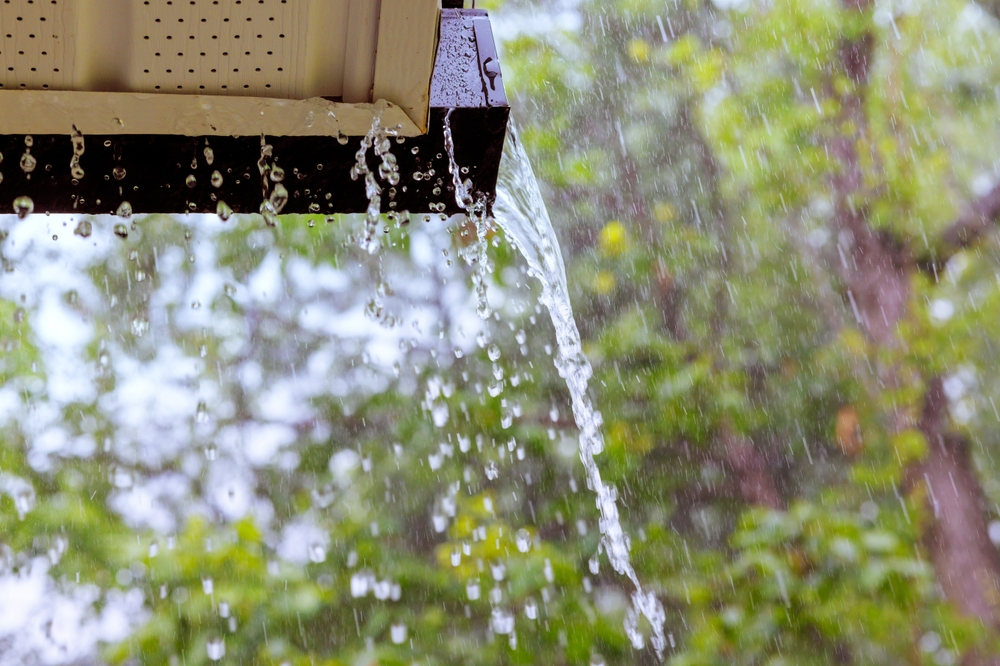
Seeing water cascade over the edge of your roof during a storm is a frustrating experience. Your gutter system is designed to catch rainwater and safely direct it away from your home. When you see gutters overflowing, it means you have a complete drainage failure on your hands.
Water spilling over gutters is never normal. While a very brief spillover might happen during a freak torrential downpour, consistent overflow is a sign that something is fundamentally wrong with the system. Ignoring overflowing gutters during heavy rain usually leads to costly water damage around your property.
To protect your home, you need to find out exactly why the system is failing and take steps to correct it before the next major storm hits.
Why Are My Gutters Overflowing?
A gutter system relies on gravity, clear pathways, and proper sizing to move water from your roof to the ground. When gutters are overflowing in rain, one or more of these elements has failed. The water has nowhere to go, so it takes the path of least resistance, straight over the front or back edge of the aluminum channel.
Finding the exact cause of your gutter overflow problems requires taking a close look at the system. Sometimes the issue is obvious, like a massive pile of wet leaves. Other times, the problem is structural and harder to spot from the ground.
Most Common Causes of Gutters Overflowing
There are several reasons why rainwater might be bypassing your downspouts and dumping directly into your flower beds. Here are the most frequent culprits behind overflowing gutters.
Clogged Gutters From Leaves and Debris
The single most common reason for clogged gutters overflowing is a buildup of leaves, twigs, pine needles, and roof grit. Over time, debris in gutters accumulates and creates a dam. When rainwater hits this dam, it pools up and eventually spills over the sides. Blocked gutters simply do not have the physical space left to hold water. If you have tall trees near your roofline, leaves in gutters overflow issues are almost guaranteed unless you maintain a strict cleaning schedule.
Downspouts Are Blocked
Sometimes the horizontal gutter channels are completely clean, but the water still backs up. In this case, you likely have clogged downspouts. The downspout is the vertical pipe that carries water to the ground. If a clump of wet leaves, a bird’s nest, or a stray tennis ball gets wedged inside, the downspout not draining will cause water backing up in gutters very quickly. Because a blocked downspout overflow happens at the exit point, the water fills the entire horizontal channel before spilling over the edge.
Gutters Installed Without Proper Pitch
Gutters might look completely flat from the street, but they are actually installed with a slight angle toward the downspouts. This is called the pitch or slope. If you have improper gutter pitch, the water will just sit there. Standing water in gutters eventually leads to overflow during the next rainstorm because the channel is already partially full. Gutter slope problems often occur when the house settles, or if the initial installation was done poorly, resulting in gutters not draining properly even when completely clean.
Gutters Too Small for Roof Size
Not all roofs shed water at the same rate. A large, steep roof sends water rushing down into the channels with incredible force. If your house has standard five-inch gutters but requires six-inch gutters, you will experience heavy rain gutter overflow. Gutters too small for the surface area of the roof simply cannot handle the volume of water. These undersized gutters will quickly reach their maximum limit, causing gutter capacity problems every time a significant storm passes through.
Sagging or Pulling Away Gutters
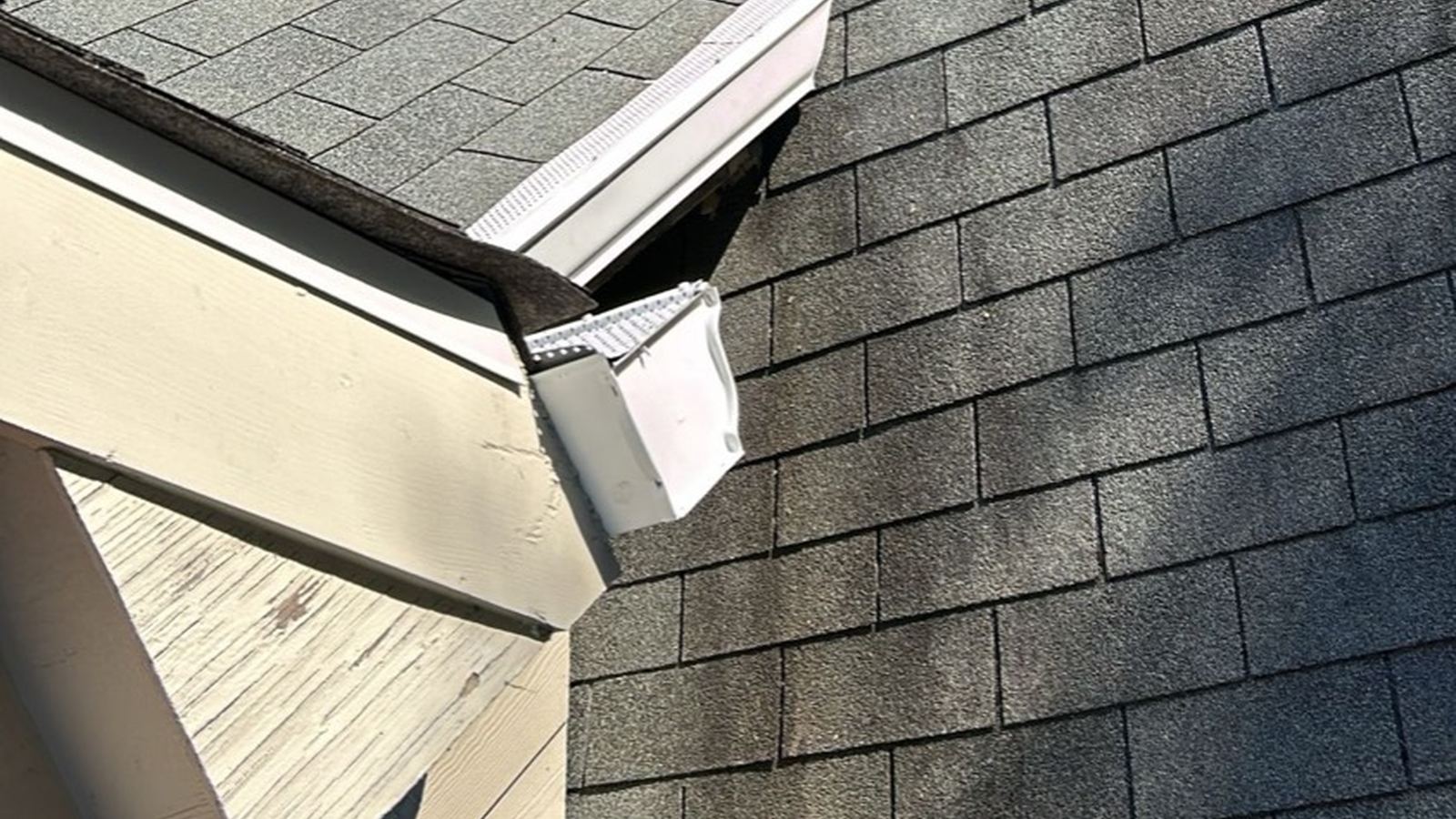
Your gutters are held up by hangers or spikes driven into the fascia board. Over time, the weight of standing water, wet debris, or winter ice can cause gutter hanger failure. When this happens, you end up with sagging gutters overflow. The loose gutters begin pulling away from the house, altering the pitch and creating low spots where water pools and spills out. Gutters pulling away from house walls also allow water to slip directly behind the channel, rotting out the wood fascia.
Gutter Guards Causing Overflow
Gutter guards are meant to keep debris out, but they can sometimes be the source of the problem. Gutter guard overflow usually happens when debris sits directly on top of the screen or mesh, blocking the tiny holes. Instead of dropping into the channel, water flowing over gutter guards shoots right off the roof. Clogged gutter guards defeat the purpose of the system. In other cases, poorly designed covers simply can’t handle high water velocity, meaning the gutter guards not working properly is a design flaw rather than a debris issue.
What Happens When Gutters Overflow?
Gutter overflow damage is a serious issue that goes far beyond a few puddles in your yard. When water spills over the edge, it lands exactly where it shouldn’t: right next to your home’s foundation. Over time, overflowing gutters damage house foundations by saturating the soil, causing cracks, settling, and basement flooding.
Foundation damage from gutters is the most expensive consequence, but it is not the only one. Water spilling behind the gutters rots out the fascia boards and roofline. It can also strip the paint off your siding, cause mold growth inside your walls, and completely wash away your landscaping. Catching and stopping water damage from overflowing gutters early will save you thousands of dollars in home repairs.
How to Fix Overflowing Gutters
Once you understand the gutter overflow causes, you can take action to resolve the issue. Here is how to fix overflowing gutters based on the specific problem your system is facing.
Clean Gutters and Downspouts
If your system is packed with debris, a thorough cleaning is the immediate fix. Scoop out the leaves and muck from the horizontal channels. To clear a clogged downspout, use a plumber’s snake or a high-pressure hose to push the blockage out. Regular maintenance is the easiest way to stop gutters from overflowing.
Repair Sagging Sections
To fix a sagging gutters overflow issue, you need to reinforce the hardware. Remove any old, failing spikes and replace them with heavy-duty hidden gutter hangers. Drill the new hangers securely into the fascia board to pull the loose gutters back tightly against the house. This will eliminate the low spots and restore the proper water flow.
Adjust Gutter Pitch
If you have standing water in clean gutters, you need to fix the gutter drainage by adjusting the slope. This involves detaching the gutter hangers, repositioning the gutter channel so it slopes downward toward the downspout at about a quarter-inch for every ten feet, and refastening it to the fascia board.
Add Downspouts
Sometimes the gutters are perfectly fine, but there simply aren’t enough exit points for the water. If your gutters are overflowing during heavy rain, adding an extra downspout to a long run of guttering can relieve the bottleneck. This increases the overall capacity of the system without having to replace the horizontal channels.
Upgrade to Larger Gutters
If you have tried cleaning, adjusting the pitch, and adding downspouts, but you still experience gutter capacity problems, your system is likely undersized. The only true gutter overflow repair for this situation is to remove the standard five-inch channels and upgrade to seamless six-inch gutters. These larger systems hold significantly more water and have wider downspouts to handle heavy downpours.
When to Call a Professional for Overflowing Gutters
While grabbing a ladder to clean out a few leaves is a manageable task for some, many gutter overflow repair jobs require specialized tools and experience. Working on a ladder is inherently dangerous. If your home is multiple stories high, or if the ground around your house is uneven, it is always safer to call a gutter repair service.
You should also schedule a professional gutter inspection if the gutters are sagging heavily, pulling away from the wood, or if you suspect your fascia board is rotting. A professional can properly assess the pitch, determine if the gutters are adequately sized for your roof, and safely fix overflowing gutters so the drainage system works perfectly for years to come.
Fix Overflowing Gutters with Top Rated Gutters
Dealing with drainage failures on your own can be stressful and dangerous. If you are tired of watching water damage your property every time it rains, we can help. At Top Rated Gutters, we specialize in identifying and resolving the root causes of overflow problems.
Whether you need a simple adjustment, a heavy-duty hanger replacement, or an entirely new high-capacity system, our team provides reliable, long-lasting solutions. To learn more about the issues affecting your home, check out our guide to Common Gutter Problems. If you are ready to permanently fix your drainage issues, visit our Gutter Repair page to schedule a professional inspection today.
< Previous Next >

Written by
Colin Nellis
Owner · Cincinnati, OH
Owner of Top Rated Gutters of Cincinnati, with a career built in home improvement on honest, high-quality service.