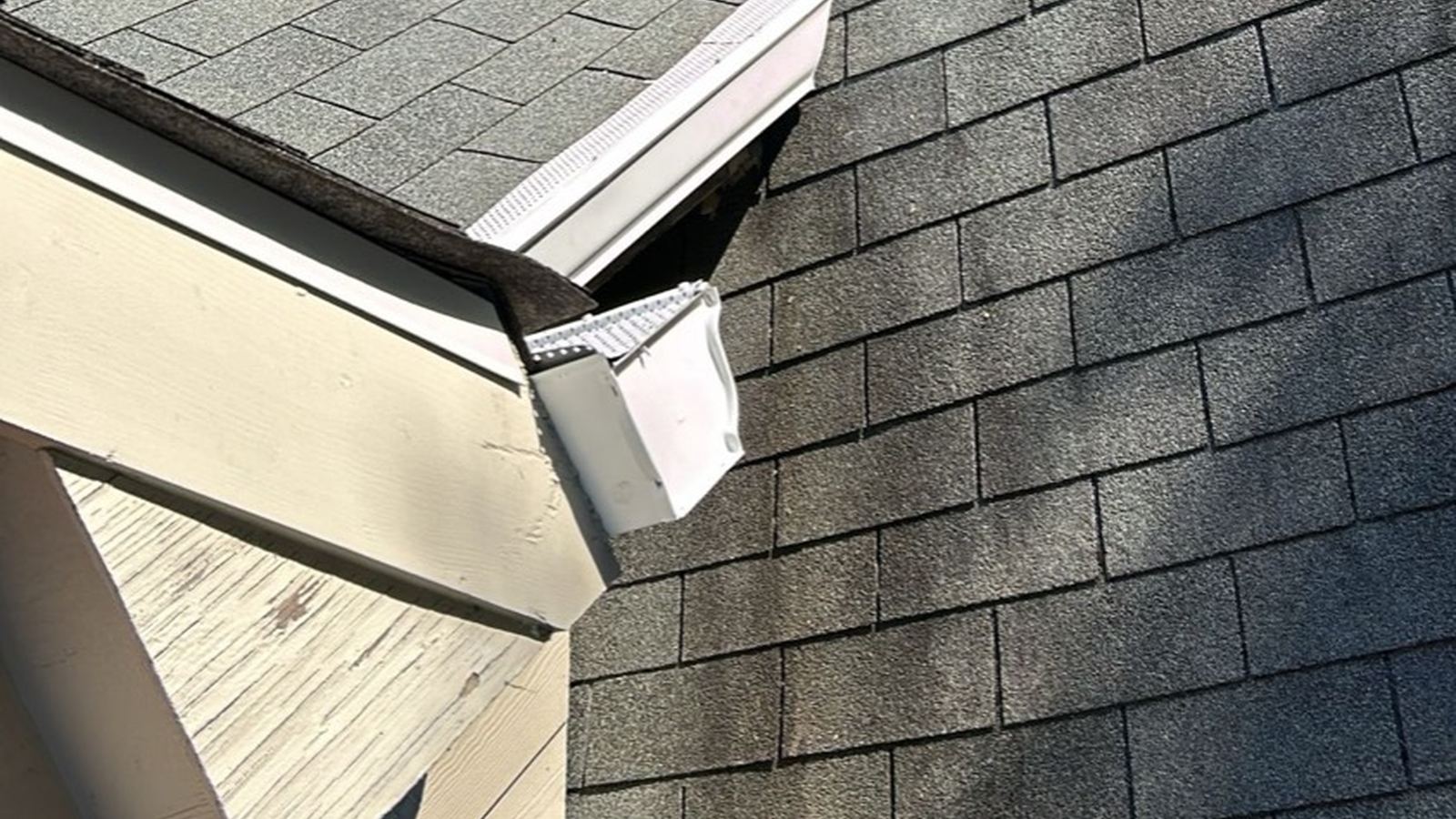
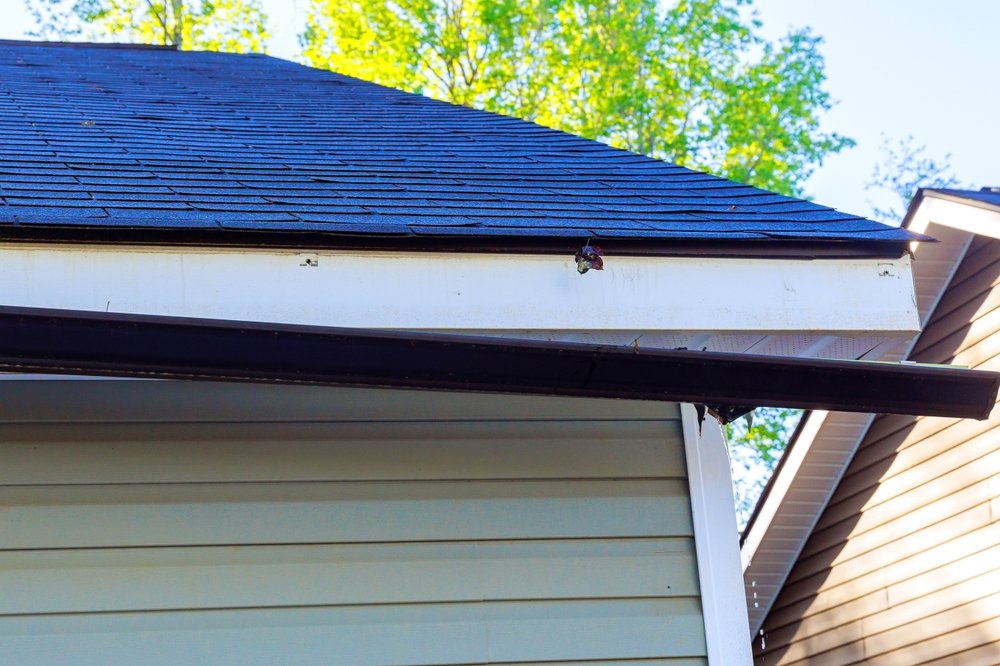
You step outside after a heavy rainstorm and notice water spilling over the edge of your roof. Looking closer, you see a distinct dip in the metal. Your gutters are pulling away from the house. Left ignored, that gap will only widen. Eventually, the weight of trapped water and debris will rip the system right off your fascia board, taking a chunk of your roofline with it.
Fixing the problem early saves you from massive exterior repair bills. Gutter systems are designed to catch runoff and channel it safely away from your foundation. When they droop, water pools in the low spots, rots the wood holding the system up, and floods your basement.
As a professional gutter repair contractor, I see this everyday. Homeowners wait too long to address minor drooping, turning a quick fifty-dollar bracket fix into a major exterior renovation. Here is exactly how to identify the root cause, handle the necessary sagging gutter repair, and secure the system so it stays firmly attached to your home.
Why Gutters Start Sagging
Gutters droop because the hardware holding them to the house has failed under pressure. A standard aluminum gutter system relies on hidden hangers, spikes, or brackets spaced evenly along the roofline. These fasteners bite into the wood fascia board behind the gutter.
If the wood rots, the fasteners lose their grip. If the gutter fills with too much weight, like heavy wet leaves, standing water, or winter ice, the metal hardware bends or snaps. Once one bracket fails, the adjacent brackets take on double the weight. This chain reaction is exactly why gutters sag. You will quickly notice gutters pulling away from house walls, leaving a visible gap between the metal and the wood.
Common Causes of Sagging Gutters
Understanding the specific gutter sagging causes helps you choose the right fix. Here are the most frequent culprits we find on the job.
Loose or Missing Fasteners
Older systems often use long spikes and ferrules instead of modern hidden hangers. Over time, the expansion and contraction of the metal during temperature changes gradually work these spikes out of the wood. Loose gutter brackets fail to support the trough, causing the entire section to lean outward.
Water Pooling in Gutters
Gutters must be angled, or pitched, slightly toward the downspouts. If the pitch is incorrect, water cannot drain. Standing water is incredibly heavy. One gallon of water weighs over eight pounds. A forty-foot section of clogged gutter holding water can easily add hundreds of pounds of stress to the fasteners, leading directly to sagging.
Debris Buildup and Weight
Neglected maintenance is the number one reason for loose gutters repair calls. Pine needles, wet leaves, asphalt shingle grit, and even growing weeds create a heavy sludge. This dense barrier blocks water flow and adds massive stationary weight to the system.
Improper Gutter Installation
Sometimes the problem starts on day one. If the original installer spaced the hangers too far apart, say, every four feet instead of every two feet, the system simply lacks the structural support to hold up under heavy rainfall or snow loads.
Damaged Fascia Boards
The fascia is the long wooden board running right behind your gutters. If water gets behind the gutter due to a missing drip edge, the wood begins to rot. Even the strongest screws cannot hold tight in rotting wood. Fascia board gutter damage is a serious issue that requires carpentry work before any gutter hardware can be reattached.
Signs Your Gutters Are Sagging
You do not need to climb a ladder to spot the early warning signs. Keep an eye out for these common sagging gutter signs from the ground:
- Visible gaps between the back of the gutter and the fascia board.
- Water pouring over the front or back edge of the gutter during rain.
- Standing water left in the trough days after a storm.
- Peeling paint or rotting wood on the siding right behind the gutters.
- Drooping gutters that clearly dip in the middle of a run.
How to Fix Sagging Gutters
If you catch the problem early, you can often fix sagging gutters yourself using standard tools. The method depends entirely on what caused the failure in the first place. You will need a sturdy extension ladder, a cordless drill, structural screws, and replacement hardware.
Tightening or Replacing Gutter Hangers
The most straightforward repair involves the hardware. If you have an older system with spikes backing out, do not simply hammer them back in. The wood hole is already stripped.
To complete a loose gutter hanger fix, pull the old spike completely out. Replace it with a heavy-duty hidden hanger or a specialized structural gutter screw that is thicker than the original spike.
To replace gutter hangers effectively:
- Lift the drooping section of the gutter until it aligns with the proper pitch.
- Hook the front lip of a new hidden hanger under the front inside edge of the gutter.
- Snap the back of the hanger over the rear edge of the gutter.
- Drive the attached screw straight through the back of the gutter and deep into the solid fascia board.
- Space new hangers every 24 inches for maximum support.
Proper gutter hanger repair instantly restores the strength of that section.
Reattaching Gutters to Fascia
If the hardware is intact but the screws have pulled out of the wood, you need to reattach gutters using better anchor points. Sometimes the installer missed the rafter tails behind the fascia.
To secure gutters to house framework properly, locate the rafter tails (usually spaced 16 or 24 inches apart). Drive long, threaded structural screws through the back of the gutter, through the fascia, and directly into the rafter tails. This provides a rock-solid anchor that easily prevents the gutters pulling away repair issue from happening again.
Repairing Damaged Fascia Boards
You cannot attach heavy metal to rotted wood. If the wood is soft, crumbly, or dark with moisture, a simple hardware swap will fail. You must address the rotted fascia gutter repair first.
Remove the sagging section of the gutter entirely. Cut out the rotted section of the wooden fascia board using an oscillating tool or circular saw. Measure and cut a piece of pressure-treated lumber or PVC trim board to match. Secure the new board to the rafter tails using galvanized nails or exterior wood screws. Caulk the seams to prevent future water intrusion.
Once the fascia repair gutter work is complete, reinstall the gutter section using new hidden hangers. Proper gutter fascia repair ensures the system stays up for decades.
Fixing Sagging Seamless Gutters
Seamless gutters are custom-rolled on-site and have no seams along long stretches of the roofline. Because they are one continuous piece of metal, a sag in one area can warp the entire length.
Sagging seamless gutters are usually caused by heavy snow loads or a few failed brackets. To repair seamless gutters, you must work carefully so you do not kink or bend the long metal run. Prop up the sagging middle section using a sturdy 2×4 board from the ground, or have a helper hold it in place. Install heavy-duty hidden hangers every 16 to 24 inches. A seamless gutter sagging repair requires making sure the water pitch is perfectly restored, as the continuous metal can easily trap water if the slope is off.
Temporary Fix for Sagging Gutters
If you notice a major droop during a heavy week of rain and cannot get a contractor out immediately, you need a temporary sagging gutter fix.
Do not use ropes or bungee cords. Instead, use a long piece of lumber, like a 2×4, to wedge under the sagging section and prop it up from the ground. Alternatively, drive a single long exterior screw through the top lip of the gutter into the fascia just to hold the weight temporarily. This quick gutter repair is only a stopgap. A temporary gutter support will not survive the next major storm or winter freeze, so schedule a permanent fix quickly.
When Sagging Gutters Should Be Replaced
Sometimes, repairs are a waste of money. If the metal is heavily creased, deeply rusted, or bent completely out of shape, the system is compromised.
Sagging gutters replacement is necessary when:
- The metal is physically torn or cracked at the seams.
- The gutters have been bent so badly by ice or falling branches that water cannot flow.
- You find yourself fixing the same sagging sections year after year.
If the system is over twenty years old and dropping constantly, it is time to replace sagging gutters. Continuing to patch gutters beyond repair will eventually lead to extensive fascia and roof damage. Upgrading makes more financial sense.
Cost to Fix Sagging Gutters
Homeowners often ask about the cost to fix sagging gutters before calling a professional. If you do it yourself, a pack of heavy-duty hidden hangers costs about twenty dollars at the hardware store.
If you hire a professional for sagging gutter repair cost estimates, expect to pay between $100 and $300 for a basic bracket replacement and re-pitching on a standard single-story home. If the contractor needs to replace rotted wood, the gutter repair cost sagging significantly increases. Expect to pay $10 to $30 per linear foot of fascia board replaced, plus the cost of reinstalling the gutters. If you need a more extensive evaluation, check our detailed guide on gutter repair vs replacement.
How to Prevent Gutters From Sagging
The best repair is the one you never have to make. Stop the problem before the metal starts bending.
Regular Cleaning
Clean your gutters twice a year, once in the spring and once in the late fall. Removing the heavy sludge and wet leaves is the easiest way to perform gutter maintenance to prevent sagging.
Stronger Gutter Hangers
If you live in an area with heavy snowfall, upgrade your hardware. Ask your contractor to install stronger gutter hangers. Heavy-duty aluminum brackets with reinforced ribs can hold significantly more weight than standard hangers.
Proper Pitch Installation
Ensure your gutters drop roughly one-quarter inch for every ten feet of run. This allows water to flow smoothly toward the downspouts without pooling and adding dead weight to the system.
Adding Downspouts
If a long run of gutter is constantly overflowing and sagging, the single downspout might be overwhelmed. Installing an additional downspout relieves the water volume and reduces the overall weight the brackets have to hold.
Upgrading to Seamless Gutters
Traditional sectional gutters catch debris on the seams, leading to clogs and heavy standing water. Upgrading to seamless aluminum gutters creates a smoother water flow, drastically reducing the chances of clogs that lead to sagging.
Sagging Gutter Repair FAQs
Why are my gutters sagging?
Gutters sag because the fasteners holding them to the house have failed, usually due to the extreme weight of standing water, wet leaves, ice, or rotting fascia boards.
Can sagging gutters be repaired?
Yes, in most cases. You can repair sagging gutters by replacing the old hardware with new hidden hangers and securing them tightly into solid wood framing.
Should sagging gutters be replaced?
If the metal is severely bent, creased, rusted through, or if the system is decades old and constantly failing, replacement is a smarter investment than ongoing repairs.
How much does sagging gutter repair cost?
Professional repair typically ranges from $100 to $300 for simple hanger replacement and re-pitching. Costs rise if wood rot repair is required. See our guide on gutter repair costs for more details.
Can I fix sagging gutters myself?
If the sagging is minor and on a single-story home, you can fix it by installing new brackets. However, if the wood is rotted or the gutters are on a high second story, it is safer to call a professional for emergency gutter repair.
Do seamless gutters sag?
Yes, seamless gutters can sag if they fill with heavy ice or debris, or if the installer spaced the hangers too far apart. However, they are generally stronger than pieced-together sectional gutters.
Secure Your Gutter System Today
Do not wait for a heavy storm to rip your loose gutters off the roofline. Taking a few hours to replace old spikes with heavy-duty hidden hangers, checking the pitch, and ensuring the fascia board is solid will save your home from severe water damage. Whether you are dealing with a minor droop or need to address major leaking gutter repair issues, acting fast protects your foundation and your wallet. If the job requires climbing high ladders or replacing rotted framing, contact the team at Top Rated Gutters for professional gutter repair that lasts.
< Previous Next >

Written by
Michael Nungesser
Owner · Central Georgia
Owner of Top Rated Gutters of Central Georgia with 20+ years in home improvement across the state.