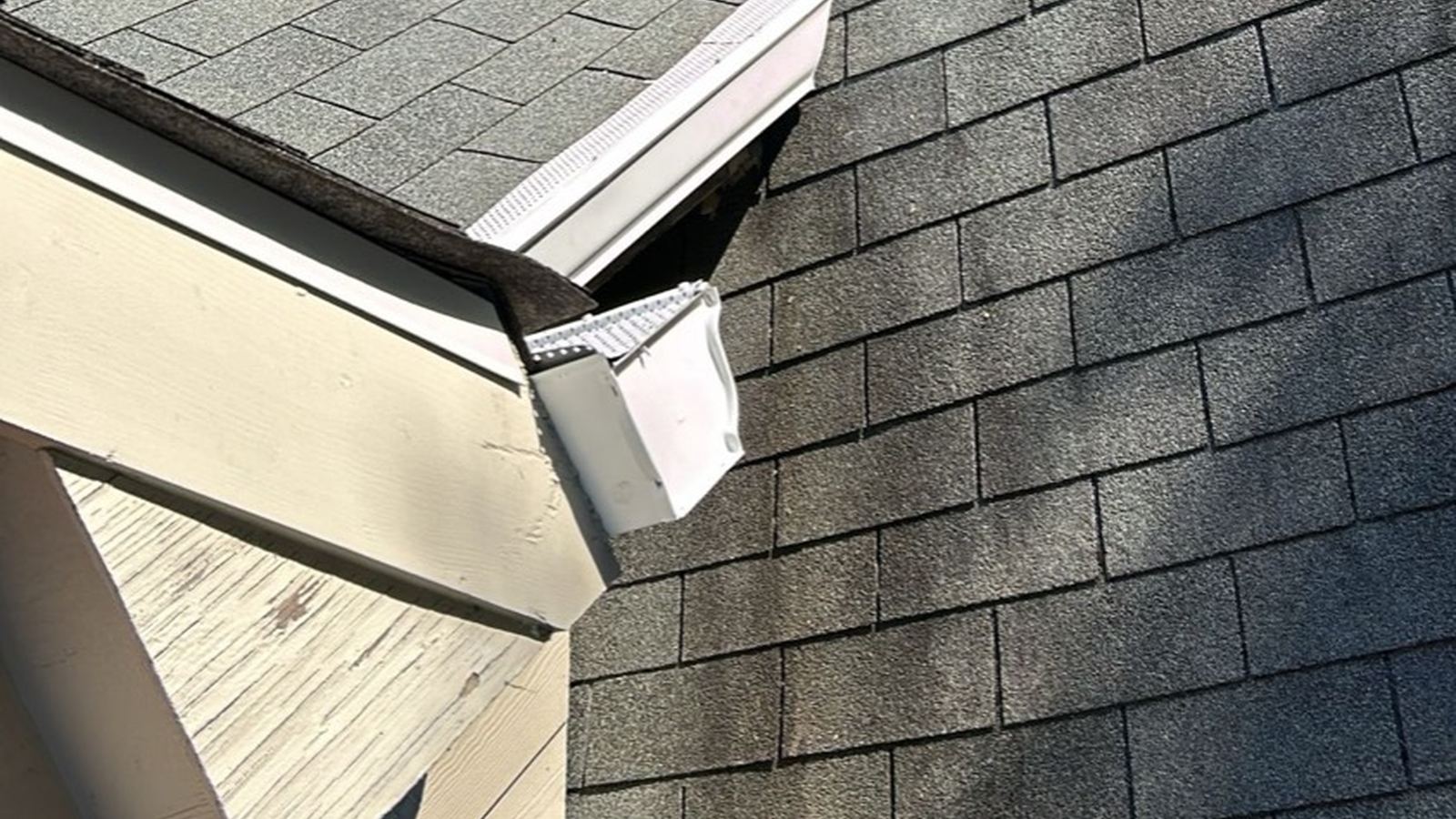

Water dripping onto your porch or pooling around your foundation points to one obvious issue: leaking gutters. A functioning gutter system catches rain rolling off your roof and directs it safely away from your home. Any break in that system allows water to spill over siding, rot wooden fascia boards, and seep into basements. Identifying the problem early stops minor drips from turning into massive structural damage.
Fixing those leaks requires understanding where the water is escaping and applying the right patch or sealant. You might see a steady drip from a corner or a rush of water pouring over a sagging section. Different problems demand different solutions. You will need to clean the area, assess the damage, and decide whether a simple sealant can handle the job or if a physical patch is necessary.
By taking action quickly, you save yourself the headache of extensive repairs later. We will walk through exactly why gutters leak, where to look for damage, and the step-by-step methods you can use to seal up your system. You will also learn when a quick DIY patch makes sense and when bringing in a contractor for professional leaking gutter repair is the safest choice for your home.
Why Gutters Start Leaking
Gutters endure harsh conditions year-round. Baking summer sun expands metal and vinyl, while freezing winter temperatures cause contraction. This constant expansion and contraction stresses the materials. Over time, that movement pulls apart the sealant holding different sections together. That is why you often see a gutter leaking at seams first.
Debris accumulation also causes significant strain. Wet leaves, pine needles, and roofing granules are heavy. When they fill a gutter trough, the added weight pulls the system away from the fascia board, causing a gutter leaking between sections. Standing water left behind by these clogs accelerates the breakdown of sealants and promotes rust in steel systems. Understanding why gutters leak helps you spot vulnerabilities before the next heavy storm hits. Whether you need a simple fix or a major leaking gutter repair , identifying the root cause is your first step.
Common Causes of Leaking Gutters
Finding the source of the water means knowing exactly what breaks down over time. Most issues fall into a few predictable categories.
Leaking Gutter Seams
Standard sectional systems connect multiple pieces of metal or vinyl. The sealant joining these pieces degrades due to UV exposure, temperature changes, and standing water. A gutter leaking at seam locations is the most frequent repair call we receive. As the caulking dries out and cracks, water easily pushes through the tiny gaps.
Holes or Cracks in Gutters
Falling branches, sharp tools used during cleaning, or severe hail can puncture the material. Aluminum and vinyl are especially prone to impact damage. Gutter crack repair involves covering these breaches completely to restore a watertight channel.
Rust and Corrosion
Galvanized steel systems rust over time. The constant presence of moisture eats away at the protective coating, creating weak spots that eventually turn into jagged holes. A rusted gutter leaking usually indicates that the metal has oxidized straight through.
Loose Gutter Joints
Hardware securing your system can loosen. Wind vibration and the weight of ice or wet debris pull the sections apart. A leaking gutter joint happens when the overlap between two sections widens, breaking the waterproof seal entirely.
Sagging Gutters Causing Water Pooling
Gutters must slope slightly toward the downspout. If the hangers pull loose from the fascia, the gutter sags. Water pools in the low spot instead of draining. This pooling water overflows the front edge, mimicking a leak, and accelerates the deterioration of nearby seams.
How to Identify Where Your Gutters Are Leaking
You cannot fix a problem you cannot find. To locate leaking gutters, grab an umbrella and walk around your house during a moderate rainstorm. Look for drips, streams, or water cascading over the sides. Pay special attention to corners, end caps, and places where two sections meet.
If it is not raining, you can perform a gutter leak inspection with a garden hose. Clear out any leaves or dirt from the trough first. Run water at the end of the gutter furthest from the downspout. Watch the underside of the system closely. To find gutter leak spots accurately, wipe the outside of the metal with a dry rag before running the water. You will easily spot fresh moisture appearing at failing seams, tiny holes, or rusted areas.
How to Fix Leaking Gutter Seams
Addressing a failed seam requires a clean surface and high-quality sealant. To fix leaking gutter seam issues, start by clearing all debris from the area. Scrub the inside of the joint with a wire brush to remove the old, cracked caulk. You must get down to bare metal or clean vinyl for the new sealant to stick.
Wipe the area down with rubbing alcohol and let it dry completely. Apply a thick bead of exterior-grade silicone or specialized gutter sealant directly over the seam inside the trough. Use a putty knife to spread the sealant, pushing it firmly into the joint to eliminate air bubbles. Reseal gutter seams on a dry day, allowing the caulk to cure fully according to the manufacturer’s instructions before testing it with water. Proper gutter seam repair extends the life of your sectional system significantly.
How to Repair Holes in Gutters
Small punctures require more than just a dab of caulk. To repair gutter holes effectively, you need flashing or a specialized patch kit. Clean the area around the hole inside the gutter using a wire brush and rubbing alcohol. Cut a piece of aluminum flashing that is at least one inch larger than the hole on all sides.
Spread a layer of roofing cement or gutter sealant over the area surrounding the hole. Press the metal patch firmly into the sealant. Cover the top of the patch with another layer of sealant, smoothing the edges with a putty knife so water flows smoothly over it. This method to patch leaking gutters creates a durable, watertight barrier. For tiny pinholes, simple gutter hole repair can sometimes be achieved by just applying a generous dab of roofing cement.
How to Fix Leaking Gutter Corners
Corners take the brunt of water flow and temperature expansion. A gutter corner leak is incredibly common because the mitered joints endure stress from two different directions. To fix gutter corner leaks, remove the old sealant inside the corner joint using a scraper or wire brush.
Clean the surface thoroughly. Apply a heavy application of gutter sealant along the inside joint, making sure to push the material deep into the crevice. Smooth it out so water will not pool against the repaired edge. Leaking gutter corner repair requires patience, as corners hold water longer than straight runs and need a perfectly flush seal to prevent future deterioration.
How to Fix Leaking Downspout Connections
Water pouring from the side of a downspout usually means the connection points have failed. A leaking downspout repair starts with checking the screws or rivets holding the elbow joints together. If they are missing or loose, replace them.
Sometimes, the sections are put together backward. The upper section of a downspout must always slide inside the lower section. If the lower section is tucked inside the upper one, water will inevitably leak out the seam. To fix leaking downspout connections, take the joint apart, arrange it so the top piece fits into the bottom piece, and secure it with sheet metal screws. Seal the outer rim with caulk to stop any remaining gutter downspout leak.
Temporary Fix for Leaking Gutters
You might spot a leak right before a massive storm, leaving you no time for a permanent repair. A temporary gutter leak fix requires items you might already have in your garage. Rubberized waterproof tape (like Flex Tape) works exceptionally well for a quick gutter leak repair.
Wipe the exterior of the leaking area as dry as possible. Apply the tape firmly over the hole or cracked seam from the outside. While this tape will not hold up to years of UV exposure and temperature shifts, it provides a solid temporary gutter repair that will protect your foundation until you have a dry weekend to clean the inside of the trough and apply proper sealant.
When Leaking Gutters Should Be Repaired by Professionals
DIY repairs work well for minor holes and easily accessible seams. However, some situations demand professional gutter repair. If your gutters are located on a second or third story, working from a tall extension ladder while trying to scrape old caulk is dangerous.
You should also look for a leaking gutter repair service if the fascia board behind the gutter is soft or rotting. This indicates water has penetrated the wood, requiring structural repairs before the gutter can be reattached securely. Extensive rust, severely mangled metal from tree damage, or multiple sagging sections are also signs you need gutter repair from experts. Searching for “gutter repair near me” connects you with professional gutter repair contractors who can safely execute repair leaking gutters tasks or provide an emergency gutter repair after a severe storm.
Leaking Gutters vs Replacement
Deciding to repair leaking gutters or replace the entire system depends on the age and overall condition of the metal. If your aluminum gutters are ten years old and have one leaking seam, a quick repair makes financial sense.
However, if you find yourself sealing new leaks every few months, your system has likely reached the end of its lifespan. Severe rust, large cracks, and fasteners that continuously pull out of the wood are red flags. In these cases, leaking gutter replacement is more cost-effective than endless patching. Choosing to replace leaking gutters with a modern seamless system eliminates the joints that cause the vast majority of leaks. For more insight on making this decision, review our guide on gutter-repair-vs-replacement.
Cost to Fix Leaking Gutters
The leaking gutter repair cost varies based on the severity of the damage and your location. A simple seam sealing job or patching a few small holes might cost between $150 and $300.
If the contractor needs to re-pitch the gutters, replace sections of damaged downspout, or replace rotting fascia boards, the cost to fix leaking gutters will increase accordingly. Expect to pay more for second-story work due to the increased hazard and equipment required. To get a precise gutter leak repair price, ask a local contractor for a detailed estimate based on the specific footage and materials needed. You can find more details on pricing in our gutter repair cost breakdown.
How to Prevent Gutters From Leaking
Stopping leaks before they start saves money and protects your home’s foundation. Routine maintenance is your best defense against water damage.
Regular Cleaning
Clean your gutters at least twice a year, once in the spring and once in the fall. Removing leaves and debris prevents clogs. Free-flowing water cannot pool, overflow, or put undue weight on the seams, which helps \entirely.
Resealing Joints
Gutter maintenance prevent leaks when you stay ahead of failing caulking. Inspect the seams annually. If the sealant looks dry, brittle, or is peeling away, scrape it out and apply fresh caulk before a leak actually forms.
Fixing Sagging Sections
Keep an eye on the alignment of your troughs. If you notice a dip, tighten the screws or replace the hidden hangers immediately. Prompt sagging-gutter-repair ensures water flows swiftly to the downspout rather than sitting on a vulnerable seam.
Installing Seamless Gutters
If you are tired of patching joints, upgrade your system. Seamless gutters prevent leaks because they are custom-cut from a single piece of metal for each side of your house. The only seams are at the corners and downspout drops, drastically reducing the chances of failure.
Leaking Gutter Repair FAQs
Why are my gutters leaking?
Gutters leak due to degraded sealant at the seams, punctures from falling debris, rust corrosion, loose hardware pulling sections apart, or heavy clogs causing water to pool and overflow the edges.
Can leaking gutters be repaired?
Yes. Most minor leaks can be fixed by cleaning the affected area and applying high-quality exterior sealant, or by covering holes with a metal patch and roofing cement.
Should I repair or replace leaking gutters?
Repair your gutters if the damage is isolated to a few seams or small holes and the system is relatively new. Replace them if the metal is extensively rusted, there are dozens of leaks, or the gutters are continuously pulling away from the rotting fascia board.
How much does leaking gutter repair cost?
Basic repairs typically range from $150 to $300. The price increases if the contractor must work on a second story, replace damaged wood, or completely realign large sections of the gutter system.
Can I fix leaking gutters myself?
You can safely fix easily accessible first-story gutters yourself using a wire brush, rubbing alcohol, and gutter sealant. Always practice ladder safety. If the repair requires reaching high elevations or handling rotted structural wood, hire a professional.
Do seamless gutters leak?
Seamless gutters are highly resistant to leaks because they lack the continuous joints found in sectional systems. They can still leak at the corner miters or downspout connections if the sealant at those specific points degrades over time.
< Previous Next >

Written by
Michael Nungesser
Owner · Central Georgia
Owner of Top Rated Gutters of Central Georgia with 20+ years in home improvement across the state.