Water pouring over the edge of a roof during a heavy rainstorm is a familiar sight for many property owners. Often, that cascading water leads straight to a flooded basement, rotten fascia boards, or a cracked foundation. The culprit is almost always a gutter system packed tightly with leaves, twigs, and roof grit.
Gutters serve a single, critical purpose: directing water safely away from your home’s foundation. When they stop working, the resulting repairs can cost thousands of dollars. The easiest way to avoid these massive repair bills is simple, routine maintenance. However, figuring out the exact timeline for that maintenance depends heavily on your property’s unique landscape.
A house sitting in the middle of a dense wooded lot will not follow the same maintenance timeline as a house built in an open subdivision. By understanding how your environment impacts your roof drainage, you can build a reliable maintenance habit that protects your property year-round. Let’s break down exactly how to determine your ideal cleaning frequency.
How Often Should Gutters Be Cleaned?
As a general rule, how often should gutters be cleaned? Most residential properties require gutter clearing at least twice a year. This baseline recommendation ensures that the heaviest debris drops of the year are managed before they cause blockages.
Figuring out how often to clean gutters on your specific house requires a quick assessment of your surroundings. If you have a clear, treeless yard, twice a year is perfect. If your roof sits beneath a canopy of mature trees, your gutter cleaning frequency will increase significantly. You need to base your schedule on how quickly debris accumulates in your specific system.
Knowing when to clean gutters is just as important as knowing how many times a year clean gutters. The goal is to clear the channels right after the major seasonal debris drops, but right before the heavy seasonal rains or snowfalls begin.
Most Homes Should Clean Gutters Twice Per Year
If you want a reliable baseline, plan to clean gutters twice a year. This standard schedule works perfectly for the average suburban home with a few trees scattered around the yard.
A proper spring and fall gutter cleaning routine tackles the two major debris events of the year. In the spring, trees drop seeds, blossoms, and pollen strings. In the fall, the obvious leaf drop occurs. By sticking to this twice-a-year gutter cleaning schedule, you catch the debris before it has a chance to break down into a thick, heavy sludge that clogs your downspouts.
How Often to Clean Gutters Based on Your Home
Your yard dictates your maintenance needs. Here is a breakdown of how different environments impact your schedule.
Homes With Trees Nearby
If branches hang over your roof, you will be dealing with constant debris. How often clean gutters with trees nearby? You should plan on three to four cleanings per year. The gutter cleaning frequency trees require is much higher because leaves blow onto the roof year-round, not just in the autumn months.
Homes With Pine Trees
Pine trees present a unique challenge for roof drainage. Pine needles are thin enough to slip through most basic guards, and they interlock together to form dense, water-blocking dams. The pine needle gutter cleaning frequency is typically three to four times a year. You have to stay ahead of the needle drop, as they decompose slowly and trap moisture against your roof line.
Homes With Heavy Rainfall
If you live in a region that experiences frequent, intense storms, your gutters work overtime. Heavy rain washes shingle grit down into the channels. This sand-like material is incredibly heavy and can cause gutters to sag if left unchecked. Properties in high-rain areas should stick strictly to a twice-a-year schedule, with visual inspections after major storms.
Homes With Minimal Debris
Even if your property has zero trees, you cannot ignore your roof drainage. Wind blows debris from neighboring yards, and asphalt shingles constantly shed protective granules. Homes with minimal debris still need a yearly checkup to ensure birds or pests haven’t built nests inside the channels.
Seasonal Gutter Cleaning Schedule
Timing is everything. Here is a breakdown of what a proper seasonal maintenance routine looks like.
Spring Gutter Cleaning
Spring gutter cleaning focuses on clearing out the remnants of winter. Trees drop a massive amount of reproductive material in the spring. Maple “helicopters,” oak tassels, and cherry blossoms easily blow into your drainage system. Getting this cleared out prepares your home for heavy spring rainstorms.
Summer Gutter Cleaning
Summer brings intense thunderstorms with high winds that snap twigs and branches onto your roof. A quick summer inspection ensures that your channels are clear of storm debris and that dry leaves haven’t created a fire hazard during the hotter months.
Fall Gutter Cleaning
This is the most critical time for maintenance. Your fall gutter cleaning schedule should be timed right after the majority of the leaves have dropped, but before the first hard freeze. Leaving wet leaves in the channels during a freeze will cause the water to expand into ice, bending the metal and pulling the gutters away from the fascia board.
Winter Gutter Cleaning
Winter gutter cleaning is usually necessary if you missed the fall cleaning window. If you notice large icicles forming over the edge of your gutters, you likely have a blockage. Safely clearing out debris during a mild winter day can prevent destructive ice dams from pushing water up under your roof shingles.
Signs Your Gutters Need Cleaning Sooner
Sometimes your system will tell you exactly when it needs attention. Recognizing the signs your gutters need cleaning can save you from severe water damage.
Watch for these clogged gutters signs:
- Water spilling over the front edges during a rainstorm.
- Water spraying out of downspout seams.
- Gutters sagging or pulling away from the house.
- Plants or weeds visibly growing out of the channels.
- Unexplained puddles forming around your foundation.
When gutters are clogged, the water has to go somewhere. It usually takes the path of least resistance, which often leads right inside your home.
How Gutter Guards Affect Cleaning Frequency
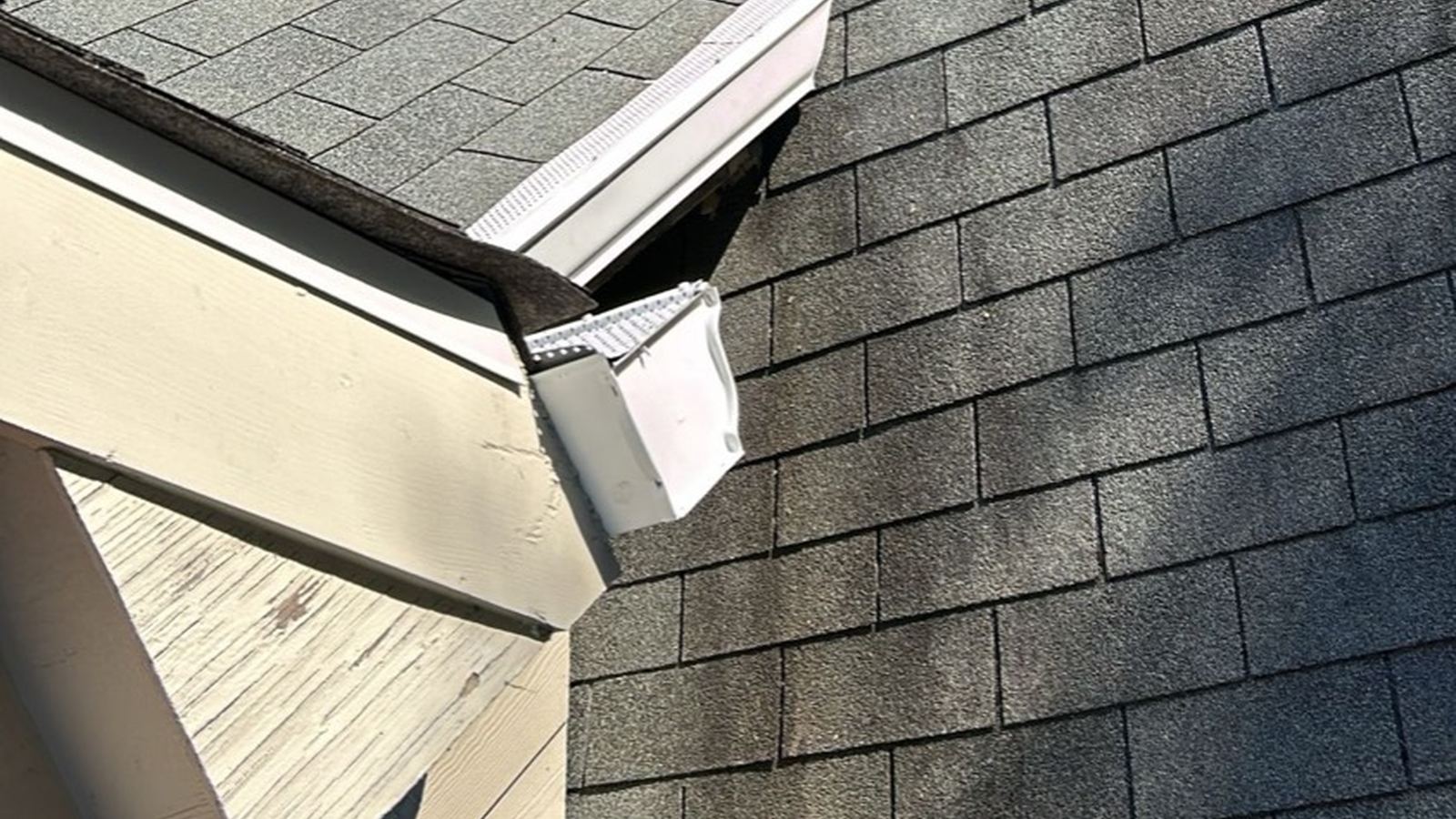
Many property owners install guards hoping to eliminate maintenance entirely. However, the gutter guards cleaning frequency is not zero. While good guards keep out large maple and oak leaves, smaller debris like pine needles, roof grit, and dirt will eventually accumulate.
When managing gutters with guards cleaning, you usually only need a thorough flush once every one to two years, depending on your tree coverage. Do gutter guards reduce cleaning? Yes, significantly. They stop the major blockages that cause immediate overflowing, but they still require periodic professional flushing to clear the fine silt that builds up in the bottom of the trough.
What Happens If You Don’t Clean Your Gutters
Ignoring your roof drainage leads to expensive consequences. Clogged gutters damage the very structures they are meant to protect.
Water damage from clogged gutters often starts at the roofline. Trapped water rots the wooden fascia boards and soffits. From there, overflowing gutters damage your landscaping, washing away mulch and drowning expensive plants. Ultimately, that water pools around the base of your house. Over time, hydrostatic pressure forces that water through microscopic cracks in your foundation, flooding your basement or crawlspace.
How Often Should Downspouts Be Cleaned
The horizontal channels are only half the system; the vertical pipes are just as important. Your downspout cleaning frequency should match your overall gutter schedule. Every time you clear the upper channels, you must verify the vertical pipes are flowing freely.
Clogged downspout cleaning requires a bit more effort. If water backs up in the pipe, you may need to use a plumber’s snake or a high-pressure hose to break the blockage. So, clean downspouts how often? At least twice a year, or immediately if you notice water failing to drain out of the bottom elbow during a rainstorm.
Professional Gutter Cleaning Schedule
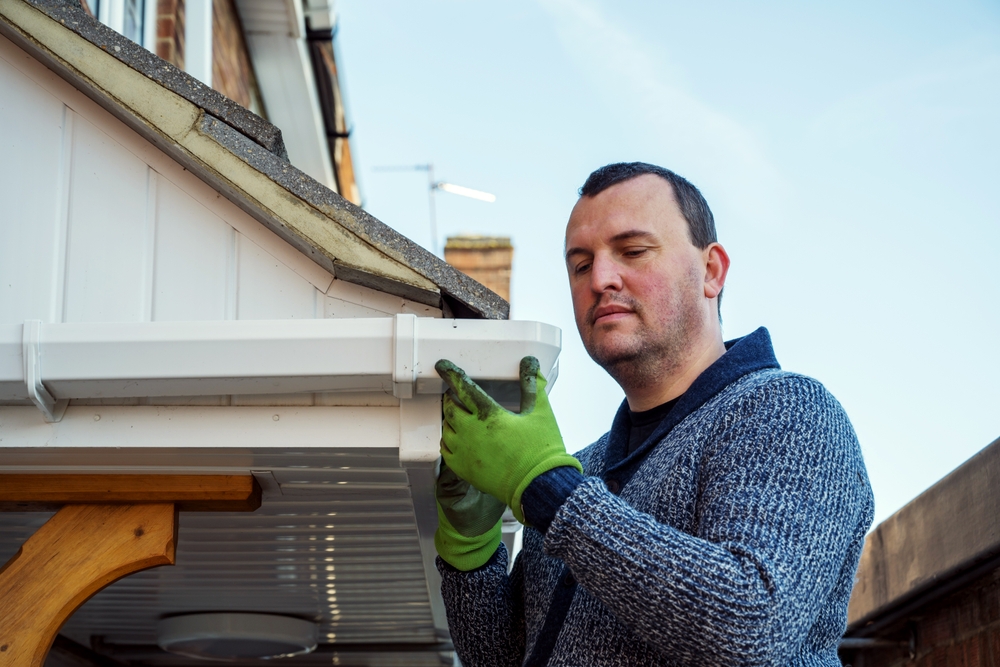
Climbing tall ladders and leaning over roof edges is dangerous work. Establishing a professional gutter cleaning schedule takes the physical risk and the mental burden off your plate.
When you book routine gutter cleaning with an experienced contractor, you ensure the job is done safely and thoroughly. A proper gutter maintenance schedule run by professionals includes checking the pitch of the gutters, tightening loose hangers, and clearing underground drainage pipes. If you are unsure about the professional vs DIY gutter cleaning route, consider the safety risks and the tools required to do the job correctly.
Best Time of Year to Clean Gutters
The absolute best time to clean gutters is late fall. Waiting until the trees are mostly bare ensures you get the bulk of the debris out before winter hits. When to clean gutters fall depends on your local climate; aim for late November or early December in most regions. The second best time is late spring, right after the trees finish dropping their seeds and blossoms. Perfecting your seasonal gutter cleaning timing keeps the water flowing exactly where it belongs.
How Often Should You Clean Gutters FAQs
How many times per year should gutters be cleaned?
Most homes require cleaning twice a year. Homes in heavily wooded areas may require three to four cleanings annually.
Should gutters be cleaned every year?
Yes. Even homes without trees accumulate roof grit, dirt, and wind-blown debris that must be cleared to prevent sludge buildup.
How often clean gutters with trees?
If you have mature trees hanging near your roofline, plan to clear your system three to four times per year to handle leaves, twigs, and seeds.
Do gutters need cleaning in winter?
If you missed the fall cleaning, or if a severe storm blew debris onto your roof, a winter cleaning on a mild day can prevent destructive ice dams.
How often should downspouts be cleaned?
Downspouts should be checked and flushed every time you clean the main gutters, which is typically twice a year.
Do gutter guards eliminate cleaning?
No. Gutter guards significantly reduce large debris buildup, but fine silt and roof grit still enter the system. Guarded systems generally need flushing every one to two years.
Keep Your Gutters Flowing Freely
Your roof drainage system is your home’s first line of defense against severe water damage. By understanding your property’s unique landscape, you can establish a reliable maintenance routine that keeps your foundation dry and your roofline secure. Use a gutter cleaning checklist to stay on track throughout the changing seasons.
If you are tired of wrestling with ladders and scooping out wet leaves, bring in the experts. Reach out for professional gutter cleaning to protect your home safely and efficiently. If you want to budget for your upcoming maintenance, check out our guide on gutter cleaning cost to learn exactly what to expect.
< Previous Next >

Written by
Dan McMillan
Owner · Northwest Georgia
Owner of Top Rated Gutters of Northwest Georgia, serving Marietta, Woodstock, Kennesaw and Cobb County.