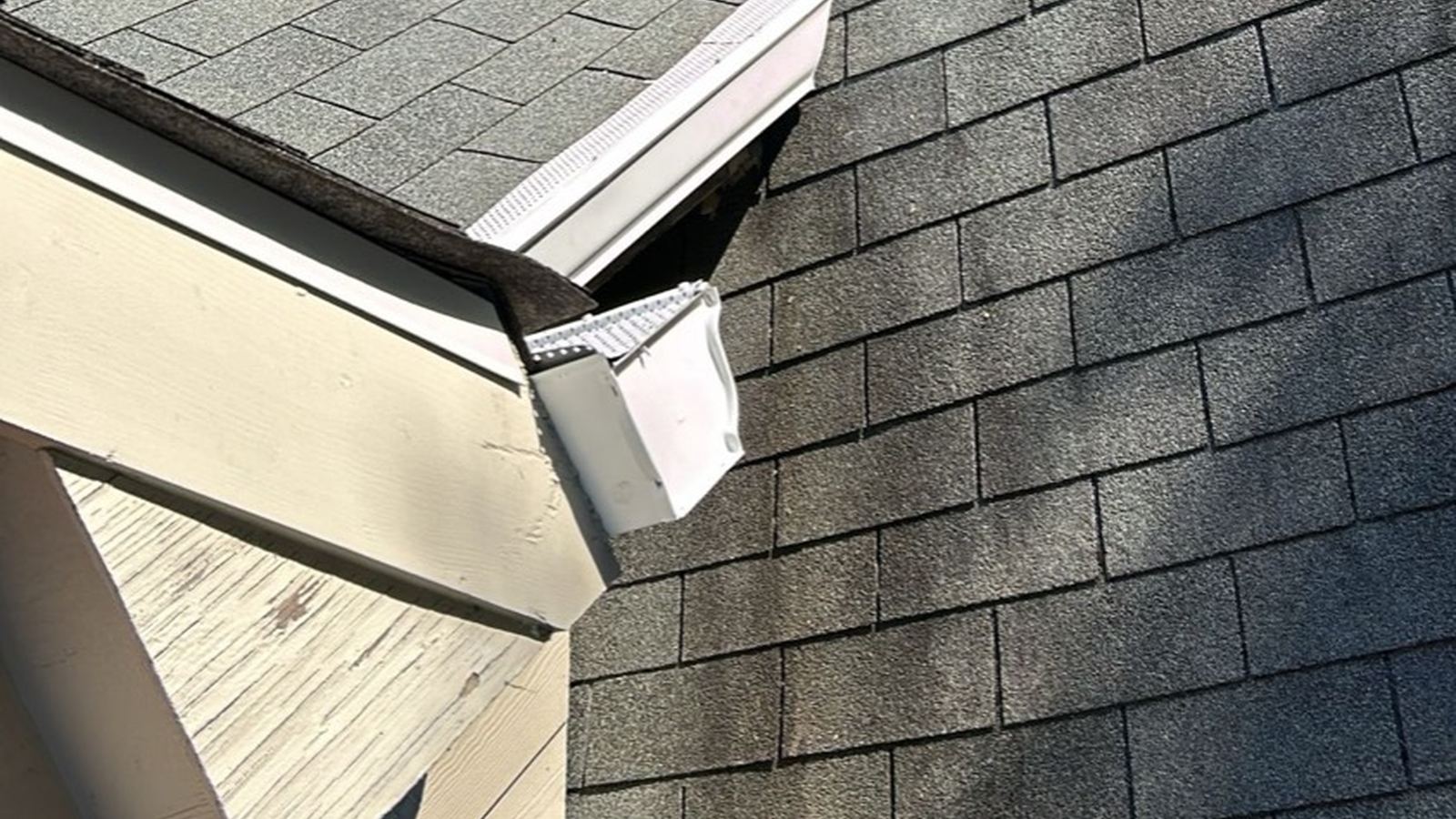

You step outside during a heavy rainstorm and notice a waterfall cascading right over the edge of your roof. Your gutter system, designed to move water safely away from your foundation, is failing. As a gutter cleaning contractor who spends every week on ladders inspecting rooflines, I see the damage caused by neglected gutters firsthand. Water finds the path of least resistance. If it cannot flow through your downspouts, it will find its way into your roof decking, down your siding, and eventually into your basement.
Recognizing the early warning signals can save you thousands of dollars in structural repairs. A simple leaf blockage might seem harmless, but it rapidly transforms into a heavy, soggy mass that pulls gutters away from the fascia board. Leaves, pine needles, and asphalt shingle grit mix together to create a thick sludge that stops water dead in its tracks.
Ignoring these issues leads to rotted wood, cracked foundations, and severe pest problems. You need to act quickly the moment you spot drainage failures. I will walk you through the exact warning signals I look for during a professional inspection, explaining what they mean and why you must address them without delay.
Why It’s Important to Clean Clogged Gutters
Understanding why gutter cleaning is necessary requires a basic grasp of how your roof drainage system works. Gutters catch the thousands of gallons of water that fall on your roof during a storm and channel it safely away from your property. When you have clogged gutters, that water is trapped. The weight of standing water puts immense stress on the aluminum and the brackets holding everything together.
Recognizing the signs gutters are clogged early prevents a cascading series of structural failures. Gutter cleaning needed by your home is not just an aesthetic chore; it is a critical protective measure. Clogged gutter problems include water backing up under your shingles, which rots the roof decking. The water then spills over the front, pooling around your foundation and causing basement leaks. Keeping the channels clear ensures water flows exactly where it is supposed to go.
Sign #1: Water Overflowing From Gutters
The most obvious red flag appears during a rainstorm. If you see gutters overflowing, your system is blocked. Instead of flowing cleanly toward the downspouts, the water hits a dam of leaves and debris, filling the trough until it spills over the edges.
Overflowing gutters rain down water directly onto your landscaping, washing away mulch and eroding the topsoil. This intense sheet of water acts like a heavy hammer against the ground. Clogged gutters overflowing will quickly damage your delicate garden beds and create deep trenches along the perimeter of your house. If you notice a curtain of water pouring over the front or back edge of your gutters, you have a severe blockage that requires immediate extraction.
Sign #2: Plants Growing in Gutters
I frequently pull up to a property and see small trees sprouting from the roofline. Plants growing in gutters mean dirt and debris have been sitting in the trough long enough to compost into soil. Seeds from nearby trees blow onto the roof, wash into the gutters, and take root in this nutrient-rich muck.
Weeds in gutters block water completely. Their root systems weave through the debris, creating a solid, sponge-like mass that traps moisture against the metal. Gutters full of debris create an ideal environment for vegetation. If you can see green sprouts visible from the ground, your gutters have likely been severely clogged for months, and the excess weight is already straining the mounting hardware.
Sign #3: Sagging Gutters
Gutters are designed to hold a specific amount of weight, primarily the weight of flowing water. Sagging gutters debris issues occur when the trough is packed with wet leaves, standing water, and heavy shingle grit. This trapped, soggy mess is incredibly heavy.
Heavy gutters debris pulls the nails or brackets out of the fascia board. As the hardware loosens, the gutter begins to bow in the middle. Clogged gutters sagging away from the roofline completely ruin the delicate pitch required for water to flow toward the downspouts. Even after you clean the debris out, a sagging gutter might hold standing water because the slope has been permanently altered. Spotting a gap between the gutter and the fascia means you need to clean the system and re-secure the brackets immediately.
Sign #4: Water Pooling Around Foundation
Your roof drainage system has one primary job: moving water away from the base of your house. If you notice water near foundation gutters failing to divert the flow, you have a serious drainage problem. Water dumping near the base of the house seeps into the soil, drastically increasing the hydrostatic pressure against your foundation walls.
Clogged gutters foundation damage starts as small hairline cracks in your basement or crawlspace walls. As the soil expands and contracts with the excess moisture, it forces water through those cracks. Poor gutter drainage is the leading cause of flooded basements. Puddles that sit for hours after a storm indicate that your downspouts are either clogged or discharging water far too close to the building.
Sign #5: Staining on Siding or Fascia
Take a walk around your house and look at the exterior walls directly beneath your gutters. Gutter overflow stains appear as dirty, dark streaks running vertically down the siding. These marks happen when dirty water spills over the edge of the gutter and washes dirt and asphalt oils down the side of your home.
Siding stains from gutters can permanently discolor vinyl, brick, or stucco if left unwashed. Furthermore, peeling paint on the fascia board behind the gutter indicates that water is backing up and soaking into the wood. Dirty gutters damage the exterior finish of your home, requiring expensive pressure washing or repainting to correct.
Sign #6: Pests Around Your Gutters
Standing water in your gutters is an open invitation for wildlife. Clogged gutters pests include a variety of insects, birds, and rodents. The rotting leaves create a warm, moist habitat that bugs thrive in.
Mosquitoes in gutters breed rapidly in just a few inches of stagnant water. If you notice a swarm of mosquitoes every time you step out your back door, check your gutters first. Insects in gutters, including carpenter ants and wasps, use the debris as a nesting ground. Squirrels and birds will also pull the dry leaves at the top of a clog to build nests. If you see frequent pest activity right at the roofline, your gutters are holding debris.
Sign #7: Downspouts Not Draining
During a storm, water should exit the bottom of your downspouts in a steady, forceful stream. If you hear water hitting the gutters but only see a slow trickle exiting at the ground level, you have clogged downspouts.
A downspout blockage typically occurs at the elbows, the angled sections where the pipe bends toward the house or the ground. Leaves and sticks easily wedge into these tight turns. Gutters not draining through the downspouts will quickly fill up and overflow at the top. Sometimes tapping lightly on the downspout pipe with a tool will reveal a dull thud, indicating a solid plug of wet leaves blocking the channel.
How Quickly You Should Clean Clogged Gutters
Once you spot any of these warning signs, time is critical. Urgent gutter cleaning prevents minor blockages from turning into major structural repairs. You need to clean gutters immediately if you see overflow during rain, sagging, or water pooling near the foundation.
Leaving clogged gutters urgent issues unresolved through a changing season is disastrous. If water is trapped in your gutters when temperatures drop below freezing, it will turn into solid ice. Ice expansion splits gutter seams, destroys downspouts, and leads to destructive ice dams under your roof shingles. The moment you identify a blockage, prioritize clearing it out.
What Happens If You Ignore These Signs
Procrastinating on this maintenance task guarantees expensive consequences. Clogged gutters damage the fascia boards first; the constant exposure to wet debris rots the wood holding the gutters up. Eventually, the entire gutter system can rip off the side of the house during a heavy storm.
Water damage clogged gutters cause extends inside your home. Water backing up under the shingles causes roof damage clogged gutters create by rotting the plywood roof decking. Once water breaches the roof, it runs down inside your walls, destroying drywall, soaking insulation, and fueling toxic mold growth. The cost of clearing the gutters is negligible compared to replacing a flooded basement or a rotted roof.
Professional Gutter Cleaning vs DIY
You have to decide how to handle the cleanup. Taking on the job yourself requires a sturdy extension ladder, thick gloves, a bucket, and a comfort level with heights. To learn more about the differences, read our guide on professional vs DIY gutter cleaning .
Hiring a professional gutter cleaning team is safer and often more thorough. We have the heavy-duty ladders, safety harnesses, and specialized tools to clear stubborn downspout blockages safely. A gutter cleaning service also inspects the pitch of your gutters, reseals leaking corner seams, and ensures your downspouts are securely attached. Using a top rated gutters company protects you from the physical risks of ladder falls while guaranteeing the system flows perfectly. Check out our gutter cleaning checklist to see exactly what professionals look for.
How to Prevent Gutters From Clogging
Keeping your drainage system flowing requires proactive steps. You can prevent clogged gutters by establishing a consistent maintenance routine and addressing the environment around your roof. Gutter maintenance is far easier than emergency repairs. Here is how to handle gutter cleaning prevention year-round.
Regular Cleaning Schedule
Set a strict schedule for clearing the debris. For most homes, cleaning the system twice a year, once in late spring and once in late fall, is sufficient. If your property is heavily wooded, you might need to clean them three or four times a year. Read our detailed advice on how often to clean gutters to determine the right schedule for your specific property layout.
Gutter Guards
Installing high-quality gutter guards blocks large leaves, twigs, and pine needles from entering the trough while allowing water to pass through. While they do not completely eliminate the need for maintenance, they dramatically reduce the frequency of full cleanings. They keep the main channels flowing and prevent the heavy buildup that causes sagging.
Tree Trimming
Keep tree branches cut back at least ten feet from your roofline. Branches hanging directly over the house drop an enormous amount of leaves, sap, and small sticks directly into the gutters. Trimming back the canopy removes the primary source of the debris.
Downspout Maintenance
Always check the downspouts during your routine maintenance. Use a garden hose to run water down the pipe to ensure there are no hidden blockages in the elbows or underground drainage pipes. Clear any debris away from the splash blocks at the bottom to ensure water can freely disperse away from the house.
Signs Your Gutters Need Cleaning FAQs
How do I know if my gutters are clogged?
Look for water spilling over the edges during a storm, visible plants growing out of the top, sagging metal, or slow-draining downspouts. Stains on the siding beneath the gutters also indicate overflow issues.
What happens if gutters aren’t cleaned?
Trapped water will rot your fascia boards, cause the gutters to tear away from the house, and lead to serious roof leaks. The overflowing water will also erode your landscaping and potentially flood your basement.
How often should gutters be cleaned?
Most contractors recommend cleaning them twice a year. Homes with heavy tree coverage, particularly pine trees, may require cleaning three to four times a year.
Can clogged gutters cause roof damage?
Yes. When water cannot flow down the downspout, it pools in the gutter and backs up under the lower edge of your roof shingles. This rots the wood decking and causes leaks inside your attic and walls.
Do clogged gutters cause foundation damage?
Absolutely. Gutters that overflow dump concentrated amounts of water directly at the base of your foundation. This saturates the soil, increases pressure on foundation walls, and causes cracks and basement flooding.
Should I clean gutters myself?
You can clean them yourself if you have a stable ladder and are comfortable working at heights. However, due to the extreme danger of ladder falls, hiring a professional contractor is heavily recommended for multi-story homes or steep roofs. If you are curious about the investment, check out our resource on gutter cleaning cost.
Protect Your Home’s Foundation and Roofline Today
The drainage system on your home is your first line of defense against severe water damage. Paying attention to these warning signals allows you to address blockages before they rot your wood, flood your basement, or invite pests into your walls. Take a walk around your property during the next rainstorm. If you see water spilling over the edges, sagging metal, or downspouts that barely trickle, it is time to act.
Do not wait for a minor blockage to cause a major structural failure. Grab your ladder and clear the debris safely, or contact a professional gutter cleaning service to thoroughly inspect and clean the system. Keeping your gutters clear is the smartest, most cost-effective way to protect the long-term value of your property.
< Previous Next >

Written by
Dan McMillan
Owner · Northwest Georgia
Owner of Top Rated Gutters of Northwest Georgia, serving Marietta, Woodstock, Kennesaw and Cobb County.