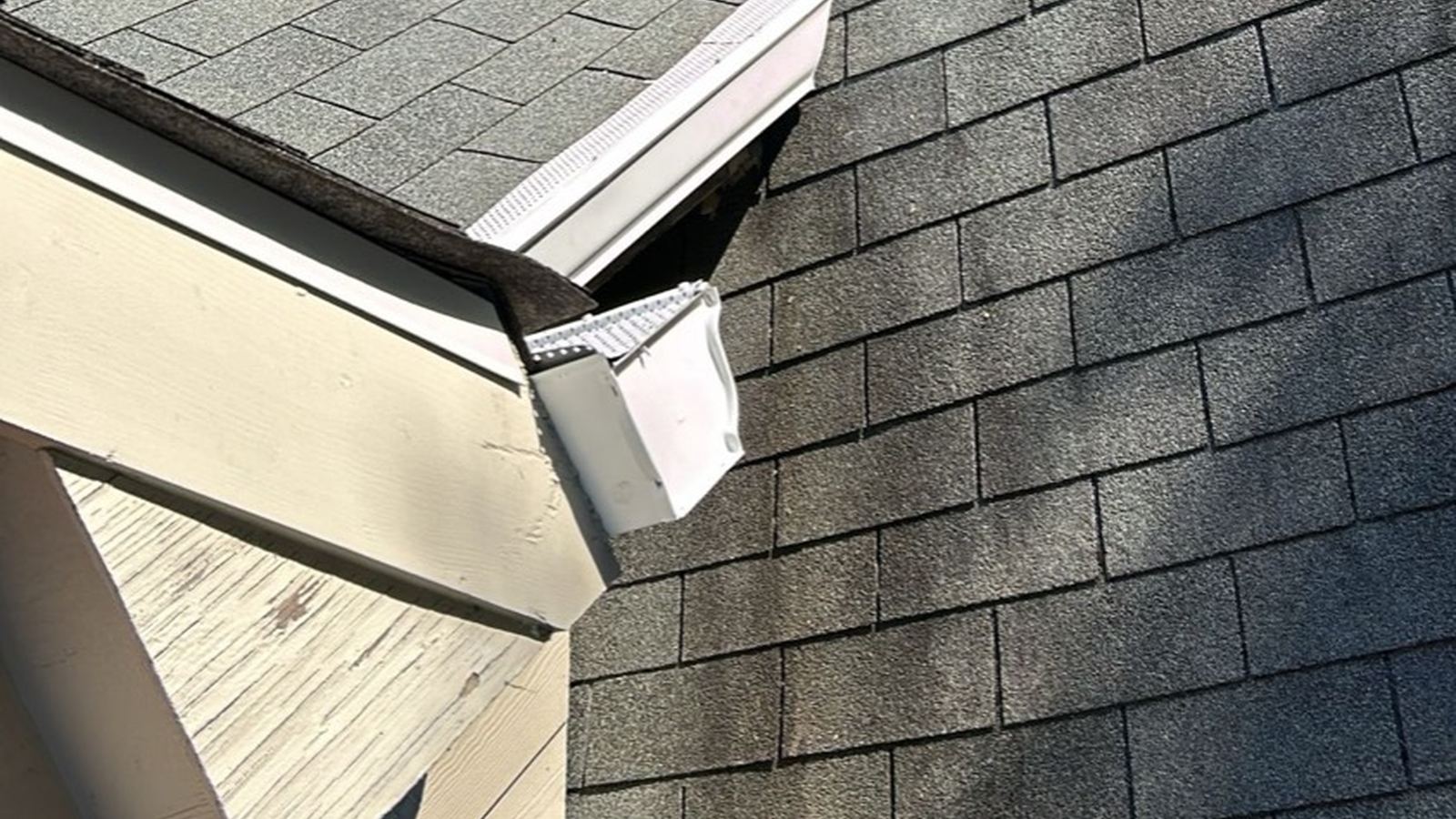

Water pooling around your foundation or spilling over the edge of your roof means trouble. Gutters are designed to channel rainwater away from your home, protecting your roof, siding, and foundation from costly damage. Leaving leaves, twigs, and debris to build up inside those channels creates clogs that force water exactly where you do not want it to go.
Working as a gutter contractor, I see the aftermath of neglected maintenance every day. Rotted fascia boards, flooded basements, and cracked foundations frequently stem from overflowing gutters. Staying on top of routine maintenance saves you thousands of dollars in major structural repairs. You just need a clear, actionable plan to get the job done right.
Using a structured approach ensures you do not miss hidden issues like loose fasteners or small leaks during your maintenance routine. We created this comprehensive checklist to walk you through the exact process professionals use. You will learn how to clear blockages, inspect for structural damage, and keep water flowing smoothly away from your property.
Why You Should Follow a Gutter Cleaning Checklist
Grabbing a ladder and scooping out leaves without a plan often leads to overlooked damage. Following a dedicated gutter cleaning checklist keeps your process organized and thorough. A solid clean gutters checklist ensures you clear every section of the system, flush out the hidden clogs, and inspect the structural integrity of the metal.
Skipping steps leads to poor drainage. When you rely on a detailed gutter maintenance checklist, you verify that your hangers are secure, your downspouts are clear, and your seams are watertight. Learning the proper gutter cleaning steps protects your home from foundational issues and expensive roof repairs. Knowing how to clean gutters properly means moving methodically from safety preparations to the final water flush.
Before You Start: Gutter Cleaning Safety Checklist
Working on a ladder carries inherent risks. Gutter cleaning safety must be your top priority before you even touch a scoop. Safe gutter cleaning requires the right equipment, proper setup, and clear weather.
Ladder Safety
Ladder safety gutter cleaning starts with using a sturdy, appropriately sized extension ladder. Never use a stepladder to reach your roofline. Inspect your ladder for loose hinges, bent rungs, or missing hardware before climbing. Always maintain three points of contact while ascending or working. Keep your hips centered between the rails to prevent tipping.
Protective Gloves and Eye Protection
Gutters hold more than just dry leaves. You will encounter sharp metal edges, decaying debris, animal droppings, and the occasional pest. Wear thick, waterproof work gloves to protect your hands from cuts and bacteria. Put on safety goggles to shield your eyes from flying dirt, splashing dirty water, and falling twigs.
Checking Weather Conditions
Never attempt to clean your gutters during rain, high winds, or lightning storms. Wet roofs and slippery ladder rungs create dangerous fall hazards. Wait for a few days of dry, calm weather. Dry debris is significantly lighter and easier to scoop out than a heavy, soaking wet sludge.
Stabilizing the Ladder
Place your ladder on firm, level ground. If the ground is uneven, use ladder levelers to create a stable base. Apply the 4-to-1 rule: for every four feet of ladder height, move the base one foot away from the wall. Consider using a ladder standoff or stabilizer. This attachment rests on the roof rather than the gutters, preventing the ladder from crushing the aluminum and providing a wider, more secure stance.
Step-by-Step Gutter Cleaning Checklist
Following a systematic gutter cleaning process saves time and ensures consistent results. These gutter cleaning steps mirror the exact methods professionals use in the field. Let’s walk through how to clean gutters step by step.
Remove Large Debris From Gutters
Begin near the downspout and work your way toward the opposite end of the gutter run. Use a narrow garden trowel or a specialized gutter scoop to remove leaves from gutters. Place the decaying matter into a bucket attached to your ladder, or drop it onto a tarp spread out on the lawn below. Clean debris gutters completely, paying close attention to the area right above the downspout opening.
Flush Gutters With Water
Once the bulky material is gone, you need to clear the remaining dirt and shingle grit. Use a garden hose with a spray nozzle to flush gutters. Start at the end farthest from the downspout and spray the water toward the drain. This rinse gutters cleaning step washes away the fine grime and allows you to observe how the water flows through the channel.
Check Downspouts for Blockages
While flushing the system, watch the water exiting the bottom of the downspout. If the water backs up or trickles out slowly, you have a clog. Clogged downspout cleaning usually requires feeding a plumber’s snake or a high-pressure hose nozzle down the pipe to dislodge the compacted leaves. Clean downspouts thoroughly, as a blocked drain renders the entire gutter system useless. If the clog is severe, you may need to learn how to clean clogged gutters by removing the downspout entirely.
Inspect Gutter Seams and Joints
Cleaning out the debris reveals the bare metal. Now is the time to check gutter seams. Add this to your gutter inspection checklist: look closely at the corners and sections where two pieces of gutter meet. Standing water or visible gaps indicate that the sealant has degraded.
Check for Sagging Gutters
Gutters must slope slightly toward the downspout to drain properly. Perform a gutter alignment check by looking at the roofline from the ground. A sagging gutters inspection is also easy to do while flushing the system; if water pools in the middle of a run instead of flowing toward the drain, the pitch is incorrect.
Look for Leaks or Holes
As water runs through the system, perform a leaking gutters inspection. Look up from the bottom of the gutters to spot any water dripping through the metal. A thorough gutter damage inspection helps you catch rust spots, cracks, or puncture holes before they expand. Small holes can be patched with roofing cement, while larger damage might require replacing that section.
Check Gutter Hangers and Fasteners
Heavy snow, ice, and wet leaves put immense weight on your gutters, pulling them away from the fascia board. Do a loose gutters check by wiggling the spikes or brackets. Your gutter hanger inspection should identify any hardware that has backed out of the wood. Replace old spikes with heavy-duty gutter screws for a stronger, more permanent hold.
After Cleaning: Final Gutter Inspection Checklist
After the dirt is gone and the hardware is tightened, run the hose one last time. A gutter inspection after cleaning confirms that the water flows rapidly to the downspout without pooling or leaking. Add this final test to your gutter maintenance checklist to guarantee the system is ready for the next heavy rainstorm. Ensure the water exits the downspout and flows at least five feet away from your foundation.
Gutter Cleaning Checklist for Two-Story Homes
Working on a second story introduces significant safety risks. A two story gutter cleaning checklist requires a heavy-duty extension ladder, a spotter on the ground, and extreme caution. Tall home gutter cleaning is physically demanding and dangerous for the average homeowner. Keep your body centered, move the ladder frequently instead of overreaching, and wear shoes with excellent traction. If you feel unsteady at 20 feet in the air, put the ladder away and call a professional gutter cleaning service.
Seasonal Gutter Cleaning Checklist
Gutter maintenance changes with the weather. Following a seasonal schedule keeps the system operating perfectly year-round.
Spring Gutter Cleaning Checklist
Your spring gutter cleaning checklist focuses on winter damage recovery.
- Inspect for damage caused by ice dams or heavy snow loads.
- Re-secure hangers that pulled loose during winter storms.
- Clear out seed pods, blossoms, and helicopter seeds from nearby trees.
- Check the downspout extensions to ensure spring showers are directed away from the foundation.
Fall Gutter Cleaning Checklist
Your fall gutter cleaning checklist prepares your home for freezing temperatures.
- Wait until the majority of the leaves have fallen from the trees.
- Remove massive accumulations of dry and wet leaves.
- Flush the system entirely to prevent trapped water from freezing and expanding.
- Verify the roof pitch is correct so standing water does not turn into ice blocks.
Professional Gutter Cleaning Checklist
Sometimes the safest choice is hiring an expert. A professional gutter cleaning service brings commercial-grade equipment and extensive training to the job. Their gutter cleaning service checklist goes beyond scooping leaves. At Top Rated Gutters, our technicians clear the roof valleys, remove all debris by hand, flush the entire system, unclog stubborn downspouts, and perform a comprehensive structural inspection of the fascia, hangers, and seams. We document any damage and provide practical solutions to keep your home protected. You can check the signs your gutters need cleaning to know exactly when to call us.
How Often to Use This Gutter Cleaning Checklist
Homeowners frequently ask how often clean gutters is necessary. Your gutter cleaning frequency depends heavily on your property’s surroundings. As a baseline for routine gutter maintenance, you should clear them twice a year, once in the spring and once in the late fall. However, if your property is surrounded by pine trees, oak trees, or overhanging branches, you may need to perform this checklist every three to four months. You can read more about how often to clean gutters based on specific tree coverage in your area.
Printable Gutter Cleaning Checklist for Homeowners
Keep this quick reference guide handy the next time you pull the ladder out of the garage.
- Inspect ladder for damage and secure on flat ground.
- Put on heavy-duty gloves and safety glasses.
- Scoop large debris from the gutters into a bucket.
- Flush gutters with a garden hose starting opposite the downspout.
- Verify downspouts are flowing freely and clear clogs if necessary.
- Inspect corners and seams for broken sealant.
- Check for sagging sections and improper pitch.
- Identify and patch any leaks, rust, or holes.
- Tighten or replace loose hangers and screws.
- Run a final water test to ensure proper drainage.
Gutter Cleaning Checklist FAQs
What is included in gutter cleaning?
A complete cleaning includes removing all leaves, twigs, and shingle grit from the horizontal gutter channels. It also involves flushing the system with water, unclogging the vertical downspouts, and inspecting the hardware, seams, and roofline for damage.
How do you clean gutters properly?
Clean gutters properly by starting at the downspout and working backward to remove large debris by hand or with a scoop. Once the bulky material is gone, use a hose to flush the remaining dirt down the drain. Always follow strict ladder safety protocols and wear protective gear.
How often should gutters be cleaned?
Most homes require gutter cleaning twice a year, typically in the spring and fall. Homes surrounded by heavy tree coverage, especially pine trees, often require cleanings three or four times a year to prevent severe blockages.
Should downspouts be cleaned too?
Yes. Downspouts are the most critical component of the drainage system. If the horizontal gutters are clean but the vertical downspout is clogged, the water will still overflow. Always test downspouts with a hose and clear any internal blockages.
Can I clean gutters myself?
You can clean gutters yourself if you have a sturdy ladder, the right safety equipment, and feel completely comfortable working at heights. Single-story homes are generally safe for DIY cleaning. You can weigh the pros and cons in our guide on professional vs DIY gutter cleaning.
When should I hire professional gutter cleaning?
Hire a professional if your home is two or more stories tall, the roof is exceptionally steep, or you simply do not feel safe on a ladder. Professionals are also recommended if your downspouts are severely clogged underground or if your system requires repairs you cannot handle yourself. To understand the investment, review our guide on gutter cleaning cost.
< Previous Next >
Written by
Anthony Kulikowski
Owner · South Bend, IN
Owner of Top Rated Gutters of South Bend, with 25+ years serving Indiana homeowners.