Your home’s gutter system is its first line of defense against water damage. It’s a simple, effective network designed to channel rainwater away from your roof, siding, and foundation. But for this system to work correctly, it needs to be clear and free of debris. Clogged gutters can lead to a cascade of expensive and frustrating problems, from a leaky roof to a flooded basement. This raises a critical question for homeowners: how often should you clean your gutters?
The standard advice is to clean them at least twice a year, but the real answer is more nuanced. The ideal frequency depends on your local climate, the number of trees surrounding your property, and the type of gutters you have installed. Neglecting this crucial maintenance task can turn your reliable drainage system into a liability, causing overflow that damages your home’s structure and landscaping.
This guide will provide a comprehensive answer to “how often to clean gutters.” We will explore the key factors that influence your cleaning schedule, the serious risks of neglecting your gutters, and the benefits of professional maintenance. We’ll also provide practical tips for maintaining your system, with a special focus on the advantages of modern seamless gutters .
The Importance of Regular Gutter Maintenance
Gutters perform a vital function: they protect your home from water. Without a properly functioning drainage system, every rainstorm would send water sheeting down your walls, pooling around your foundation, and seeping into vulnerable areas. By collecting this water and directing it safely away through downspouts, gutters prevent a host of potential issues.
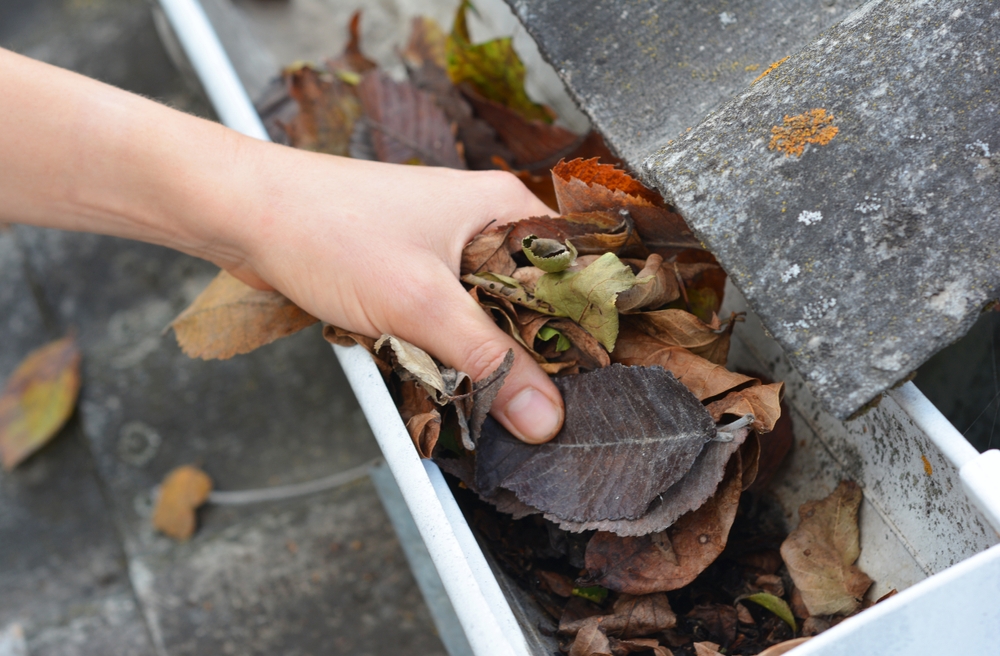
When gutters become clogged with leaves, twigs, pine needles, and other debris, they can no longer do their job. Water that can’t flow freely will find the path of least resistance. This often means spilling over the sides of the gutter, running down your fascia boards and siding, or pooling on your roof. This overflow can lead to significant water damage that is often costly and difficult to repair.
Let’s break down the specific risks associated with clogged gutters:
- Foundation Damage: This is one of the most severe consequences. When water overflows and saturates the soil around your foundation, it can cause the soil to expand and contract. This puts immense pressure on your foundation walls, leading to cracks, settling, and even structural failure over time. A compromised foundation jeopardizes the integrity of your entire home.
- Basement Flooding: Water that pools around the base of your home will inevitably seek out any cracks or openings in your foundation, leading to a wet or flooded basement. This not only creates a messy cleanup but can also lead to mold growth, ruined possessions, and long-term moisture problems.
- Roof Damage: Trapped water in clogged gutters can back up onto your roof. During colder months, this trapped water can freeze, forming ice dams that lift and damage shingles. The constant moisture can also rot the underlying roof decking and fascia boards, leading to expensive repairs .
- Siding and Masonry Damage: Water constantly running down your home’s exterior will stain and damage siding, brick, and stucco. Over time, this can lead to rot, deterioration, and the need for premature replacement.
- Pest Infestations: Clogged, damp gutters are an inviting habitat for pests. Mosquitoes breed in the standing water, while ants, termites, and rodents are attracted to the moist, decaying organic matter. From there, it’s a short journey for these pests to find their way inside your home.
- Landscape Erosion: Gutter overflow can create torrents of water that wash away mulch, soil, and plants in your flowerbeds, ruining your landscaping and causing soil erosion.
Regular gutter cleaning is not just a chore; it’s a critical investment in your home’s health and longevity. By keeping your gutters clear, you ensure they can effectively protect your property from the elements, saving you from the stress and expense of major repairs.
How Often to Clean Gutters: Key Factors to Consider
The common recommendation to clean gutters twice a year, once in the spring and once in the fall, is a good starting point. However, your specific situation may require more or less frequent cleanings. Determining the right schedule for your home involves assessing several environmental and structural factors.
The Role of Your Local Environment
Your home’s surroundings play the biggest role in how quickly your gutters fill with debris.
Tree Coverage
The number, type, and proximity of trees to your roofline are the most significant factors.
- Heavy Tree Coverage: If your home is surrounded by mature trees, especially those that overhang your roof, you will need to clean your gutters more frequently. In this scenario, cleaning them three to four times a year might be necessary. A late spring cleaning after trees have dropped seeds and pollen, a mid-summer check, a primary cleaning in late fall after leaves have dropped, and a winter check can prevent build-up.
- Pine Trees: Homes surrounded by pine trees present a unique challenge. Pine needles are small and can form dense mats that are highly effective at blocking water flow. They also shed year-round. If you have pine trees nearby, you should inspect your gutters every three months to prevent stubborn clogs from forming.
- Deciduous Trees: Homes near deciduous trees (like oaks and maples) face a heavy influx of debris in the fall. A thorough cleaning in late autumn, after most leaves have fallen, is essential. An additional cleaning in the spring is also wise to clear out helicopter seeds, flowers, and pollen.
Local Climate and Weather Patterns
Your regional climate also influences your gutter maintenance schedule.
- Heavy Rainfall: If you live in an area with frequent, heavy rainstorms, keeping your gutters clear is paramount. Clogs can become a major issue very quickly during a downpour. A pre-storm season inspection is a good idea to ensure your system is ready to handle the deluge.
- Windy Areas: High winds can blow leaves, twigs, and other debris from your yard and your neighbors’ yards onto your roof and into your gutters, even if you don’t have overhanging trees.
- Winter Weather: In regions with cold, snowy winters, it’s crucial to clean your gutters thoroughly before the first freeze. Debris left in gutters can trap water, which then freezes and creates ice dams. These heavy blocks of ice can damage your gutters and your roof.
Type of Gutters and Gutter Guards
The type of gutter system installed on your home also affects maintenance needs.
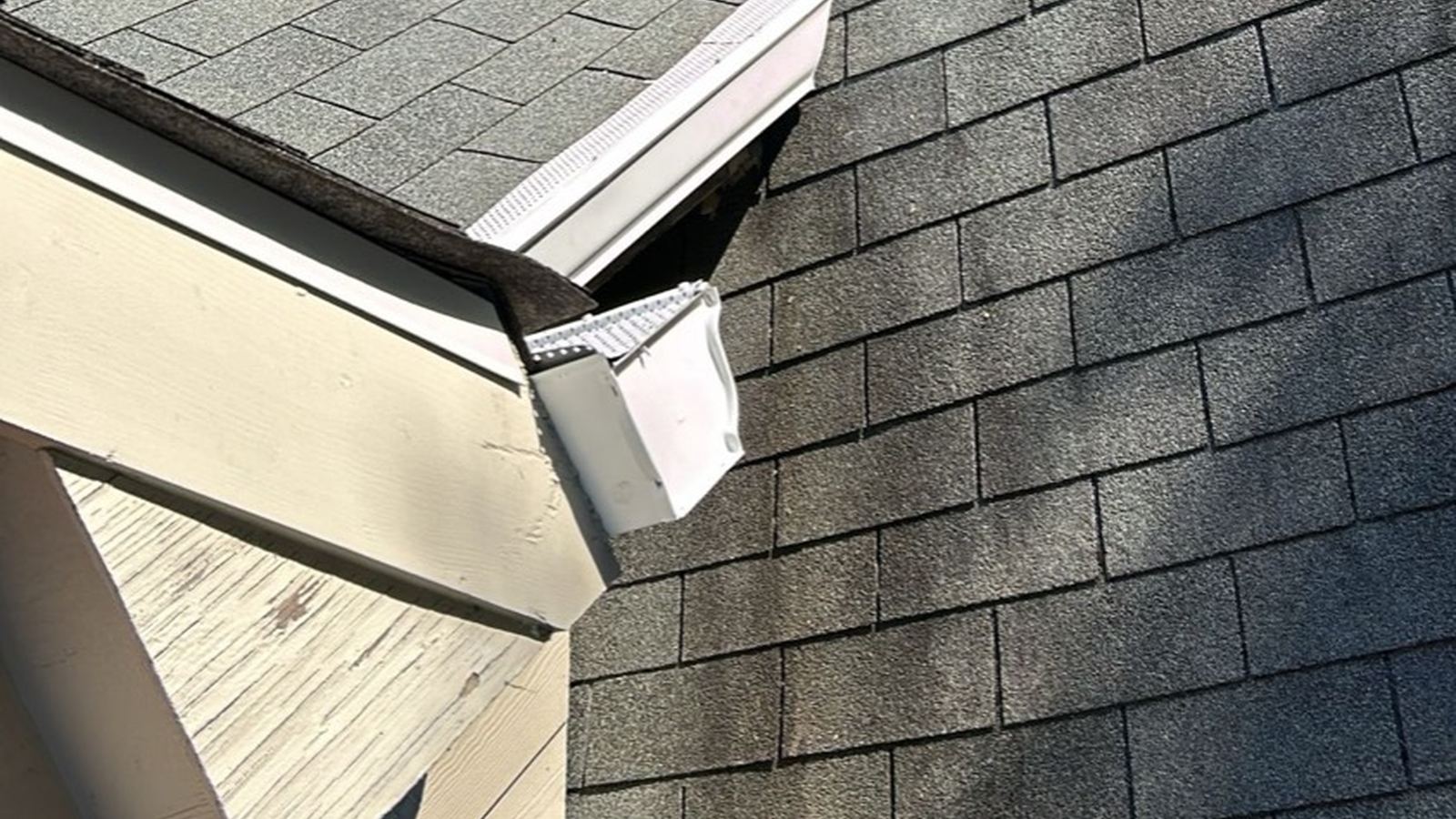
- Sectional Gutters: Traditional sectional gutters are installed in pieces, with seams at every joint. These seams are natural catch points for debris, making them more prone to clogs. They often require more diligent cleaning to keep them clear.
- Seamless Gutters: As the name implies, seamless gutters are custom-made from a single piece of metal to fit the exact dimensions of your roofline. The only seams are at the corners and downspout outlets. This smooth, continuous design significantly reduces the chances of debris getting snagged and causing clogs. While they still need cleaning, they generally require less frequent maintenance than their sectional counterparts.
- Gutter Guards: Gutter guards are covers designed to prevent large debris like leaves and twigs from entering the gutters while allowing water to flow through. While often marketed as a “no-maintenance” solution, this isn’t entirely accurate. Gutter guards drastically reduce the frequency of cleanings, but they are not a complete substitute for maintenance. Small debris like shingle grit, seeds, and pine needles can still get through some types of guards, and leaves can accumulate on top, requiring periodic removal. You should still plan to inspect your gutters and guards at least once a year to ensure they are functioning correctly.
By considering these factors, you can move beyond the generic “twice a year” rule and create a customized cleaning schedule that provides the best protection for your home.
DIY vs. Professional Gutter Cleaning
Once you’ve determined your cleaning schedule, the next decision is whether to tackle the job yourself or hire a professional service. Both options have their pros and cons, and the right choice depends on your comfort level, equipment, and the specific needs of your home.
The DIY Approach
Cleaning your own gutters can be a cost-effective way to handle this essential home maintenance task. For a single-story home with a low-pitched roof and minimal debris, it can be a relatively straightforward weekend project.
Essential Tools for DIY Gutter Cleaning:
- A Sturdy Ladder: An extension ladder is necessary for reaching the roofline. Ensure it is placed on stable, level ground and that you follow all safety precautions.
- Safety Gear: Heavy-duty gloves are a must to protect your hands from sharp debris, bacteria, and potentially hidden pests. Safety goggles will protect your eyes from flying debris.
- A Gutter Scoop or Trowel: These tools are designed to efficiently pull debris out of the gutter channel.
- A Bucket or Tarp: Use a bucket with a hook to collect debris as you go, or lay a tarp on the ground below to catch the material you clear out, making cleanup easier.
- A Garden Hose: After removing the large debris, use a hose with a spray nozzle to flush the gutters and downspouts, ensuring water flows freely.
The Risks of DIY Gutter Cleaning:
While it can save money, cleaning your own gutters is one of the riskiest home maintenance jobs. Falls from ladders are a leading cause of serious injury for homeowners. The risk increases significantly with multi-story homes, steep roofs, or uneven ground.
Beyond the physical danger, a DIY cleaning might not be as thorough as a professional job. It’s easy to miss impacted clogs deep within the downspouts, which are a primary cause of gutter overflow. Without the proper tools and experience, you might only clear the surface-level debris, leaving the real problem unresolved.
The Professional Gutter Cleaning Service
Hiring a professional gutter cleaning company like Top Rated Gutters offers peace of mind, safety, and a more thorough result.
The Benefits of Hiring Professionals:
- Safety: This is the most significant advantage. Professionals have the training, experience, and industrial-grade safety equipment to work on ladders and roofs safely. You eliminate the personal risk of a fall or injury.
- Efficiency and Thoroughness: A professional crew can typically clean your entire gutter system much faster than the average homeowner. They have specialized tools to remove all debris and effectively flush the entire system, including clearing stubborn clogs from downspouts that are often missed in a DIY job.
- Inspection: A key part of a professional gutter cleaning service is the inspection. As they clean, technicians will inspect your gutter system for signs of damage, such as leaks, rust, loose fasteners, or improper slope. Catching these issues early can prevent more significant problems down the line.
- Convenience: Hiring a pro saves you a full day of difficult, messy work. You don’t have to worry about buying or storing equipment, climbing ladders, or disposing of the debris.
For most homeowners, especially those with two-story homes, steep roofs, or heavy tree coverage, the safety and thoroughness of a professional service far outweigh the cost. It transforms a dangerous chore into a simple phone call, ensuring your gutter system is in optimal condition to protect your home.
The Superiority of Seamless Gutters
When discussing gutter maintenance, it’s impossible to ignore the significant advantages offered by a modern seamless gutter installation . If you’re constantly dealing with clogs and leaks from an older, sectional system, upgrading to seamless gutters can be one of the best investments you make in your home.
What Are Seamless Gutters?
Unlike traditional gutters that are sold in 10-foot sections and pieced together on-site, seamless gutters are fabricated right at your home. A specialized machine rolls out a continuous piece of aluminum, copper, or steel to the exact length of each roofline. This process eliminates the numerous seams that characterize sectional gutters. The only joints are at the inside and outside corners and where the downspouts are attached.
Why Seamless Gutters are a Better Choice
- Fewer Leaks: Seams are the weak points in any gutter system. Over time, the sealant in these joints can degrade, crack, and fail, leading to leaks. Since seamless gutters eliminate up to 90% of these joints, the potential for leaks is drastically reduced. Leaky gutters can damage your fascia, siding, and foundation, so minimizing this risk is a major benefit.
- Reduced Clogs and Easier Maintenance: The smooth, uninterrupted interior of a seamless gutter provides fewer opportunities for debris to get snagged. Leaves, twigs, and pine needles are more likely to wash down to the downspout outlet without getting caught on a seam. This means seamless gutters are less prone to clogging and are generally easier to clean when maintenance is needed.
- Enhanced Durability: Seamless gutters are made from high-quality, durable metals. Because they are installed as a single, solid piece, they are structurally stronger and more resistant to sagging or pulling away from the house compared to sectional systems, which can weaken at the seams.
- Perfect Custom Fit: Each run of a seamless gutter is custom-measured and cut for your home. This ensures a perfect fit and optimal performance. Professional installers will also ensure the gutters are pitched correctly to promote proper water flow toward the downspouts.
- Superior Aesthetics: Seamless gutters offer a clean, streamlined look that enhances your home’s curb appeal. With no ugly seams and a wide variety of available colors, they can be matched perfectly to your home’s trim or siding, creating a polished, professional finish.
While an initial gutter installation of a seamless system is a larger investment than a DIY sectional repair, the long-term benefits in performance, durability, and reduced maintenance make it a wise choice for any homeowner looking for a reliable, long-lasting solution.
Protect Your Investment with a Maintenance Plan
Your home is likely your most significant asset. Protecting it from water damage is not just a good idea, it’s essential for preserving its value and structural integrity. A well-maintained gutter system is your first and most important tool in this effort.
By understanding the factors that influence how often to clean your gutters, you can establish a proactive maintenance schedule.
- For homes with minimal tree coverage: A twice-yearly cleaning in the spring and fall is a solid baseline.
- For homes with moderate to heavy tree coverage, especially pines: Plan for three to four cleanings per year to keep up with the constant debris.
Remember that DIY cleaning carries significant risks. For safety, efficiency, and a truly thorough job, trusting a professional service is the best course of action. A professional team not only cleans your gutters but also provides a valuable inspection, identifying potential issues before they become expensive disasters.
If you’re tired of the constant maintenance and leaks associated with an old system, consider an upgrade to seamless gutters . Their superior design reduces leaks, minimizes clogs, and provides a durable, long-term solution for protecting your home.
Don’t wait for a damp basement or a stained ceiling to remind you about your gutters. Take action today. Evaluate your property, create a cleaning schedule, and decide on the best maintenance approach for your needs. Whether you choose to do it yourself or hire a trusted company, regular gutter cleaning is a small task that pays huge dividends in protecting your home for years to come.
< Previous Next >
Written by
Dan McMillan
Owner · Northwest Georgia
Owner of Top Rated Gutters of Northwest Georgia, serving Marietta, Woodstock, Kennesaw and Cobb County.