A PCS move compresses every home decision into a few weeks. Somewhere on the list, usually after the inspection report comes back, is the gutters - and the question is not "are these perfect" but "which of these will cost me at closing if I leave them".
Having worked on a lot of Warner Robins and Houston County homes on that timeline, here is the honest triage.
Fix before listing: the things that read as neglect
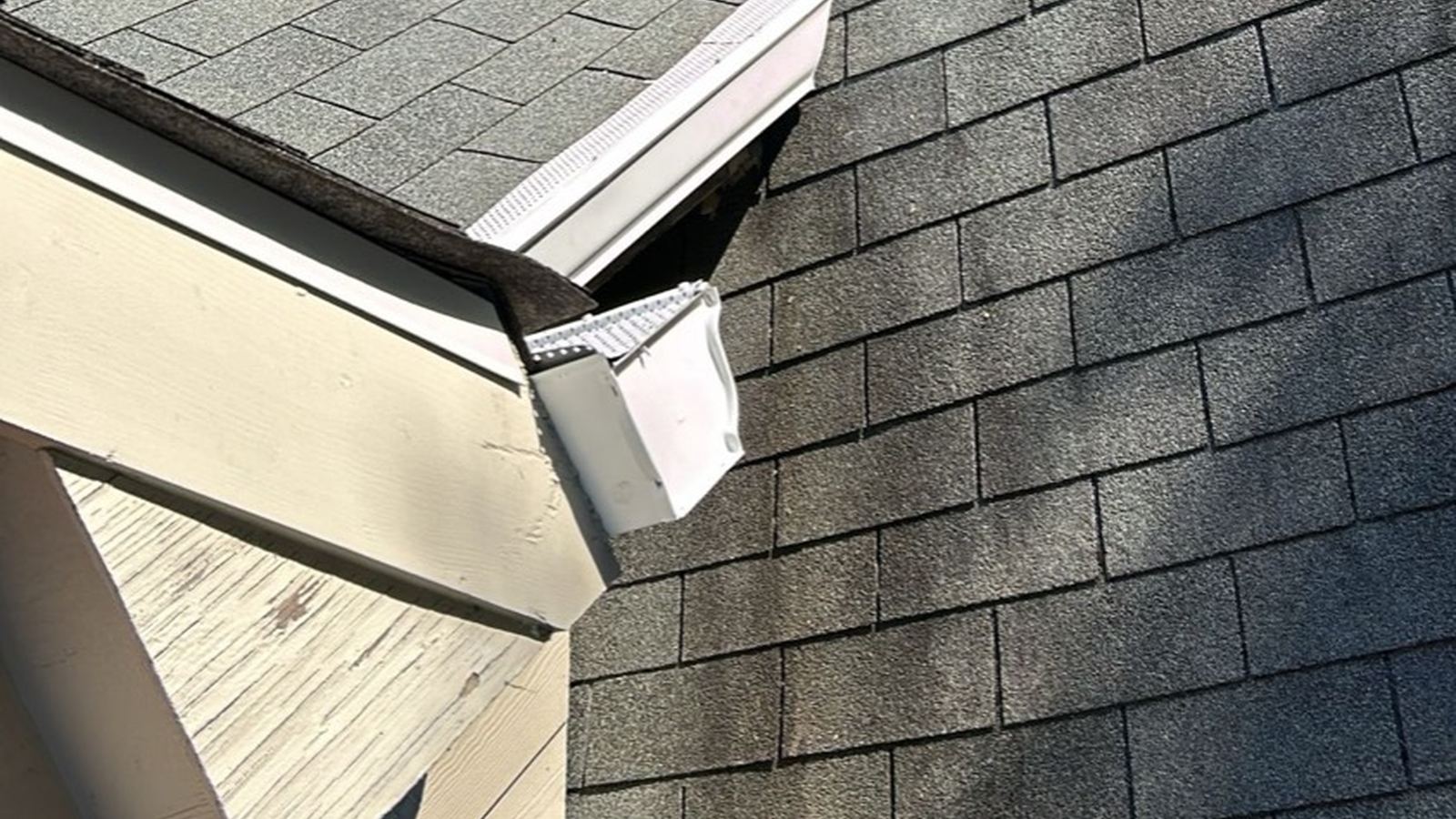
A visibly sagging or detached run. This is the one that costs you disproportionately. A gutter hanging off the fascia is visible in the listing photographs, and it invites a buyer to wonder what else was left. The repair is usually modest; the impression is not.
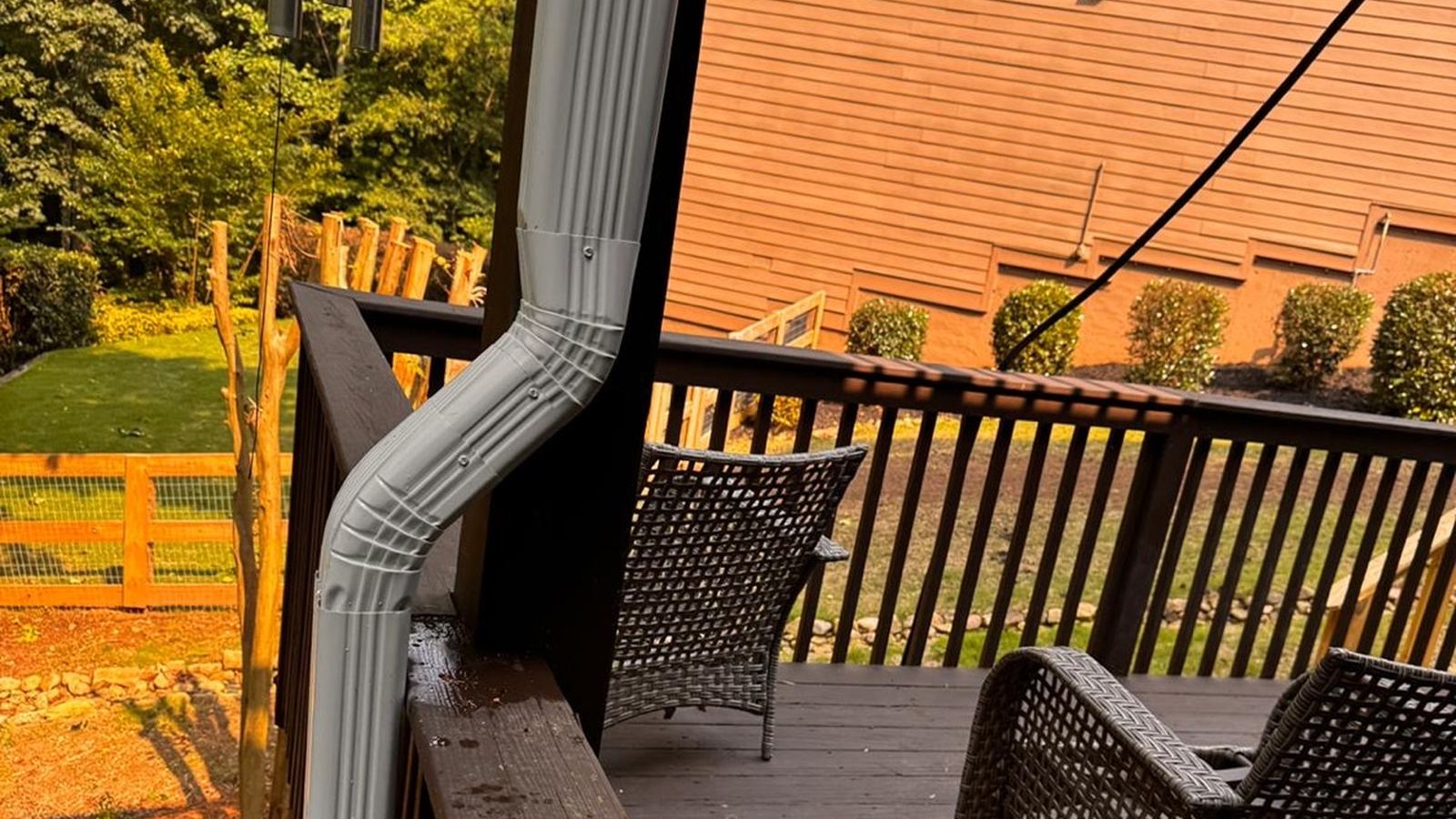
Anything discharging against the foundation. A missing downspout extension is a cheap fix that removes an inspection note. In Central Georgia's clay, water at the foundation is a line item an inspector will write up, and foundation language in a report frightens buyers far out of proportion to the actual cost of fixing the cause.
Clogged gutters, before the photographs. Plant growth in a gutter photographs badly and reads as years of neglect even where the rest of the house has been well kept.
Stains down the siding. Overflow leaves marks that suggest a chronic problem. The gutters can be perfect now and the siding still tells a story.
Worth doing if the timeline allows
Soft fascia behind a run. If an inspector finds it, expect a credit request larger than the repair. Getting it fixed and documented is usually cheaper than negotiating it.
Correcting pitch on a run that holds water. Not visible to a buyer, but it is what causes the visible problems, and it is a genuinely honest thing to hand over.
Probably not worth it before you go
A full replacement on a serviceable system. New gutters rarely return their cost at closing. If the existing runs drain, are fastened properly and are not stained or sagging, the money is better left in the price.
Gutter guards. A genuine benefit to a long-term owner and close to invisible to a buyer. Very few purchasers pay more for them, and no inspector notes their absence.
Upgrading to copper or half-round. An architectural decision for someone who will live with it. Not a selling improvement.
The timeline problem, and how to work with it
The constraint on a PCS sale is rarely money. It is that the work has to be scheduled, completed and documented inside a window set by orders, often while you are also clearing the house or already gone.
Three things help. Get the assessment before you list, so any surprise appears while you still have room to act on it rather than during a repair-request negotiation. Ask for the findings in writing with photographs, because that document is what you hand a buyer's agent when a repair request arrives, and it frequently ends the conversation. Say early if you are on orders - a firm date changes how a job gets scheduled, and most local contractors will work around it if they know.
If you are the one arriving
The same list runs in reverse. On a Houston County home you are buying, the gutters tell you whether water has been managed. Look for staining on the siding, soft fascia behind the runs, downspouts discharging at the wall, and standing water in the channel. None of those are deal breakers, and all of them are worth knowing before you have signed rather than after your first Central Georgia thunderstorm.
We work with a lot of families near the base and offer a military discount; details are on our Robins AFB homeowners page. If you are on a PCS timeline, say so when you call and we will tell you honestly whether the work fits it.

Written by
Michael Nungesser
Owner · Central Georgia
Owner of Top Rated Gutters of Central Georgia with 20+ years in home improvement across the state.