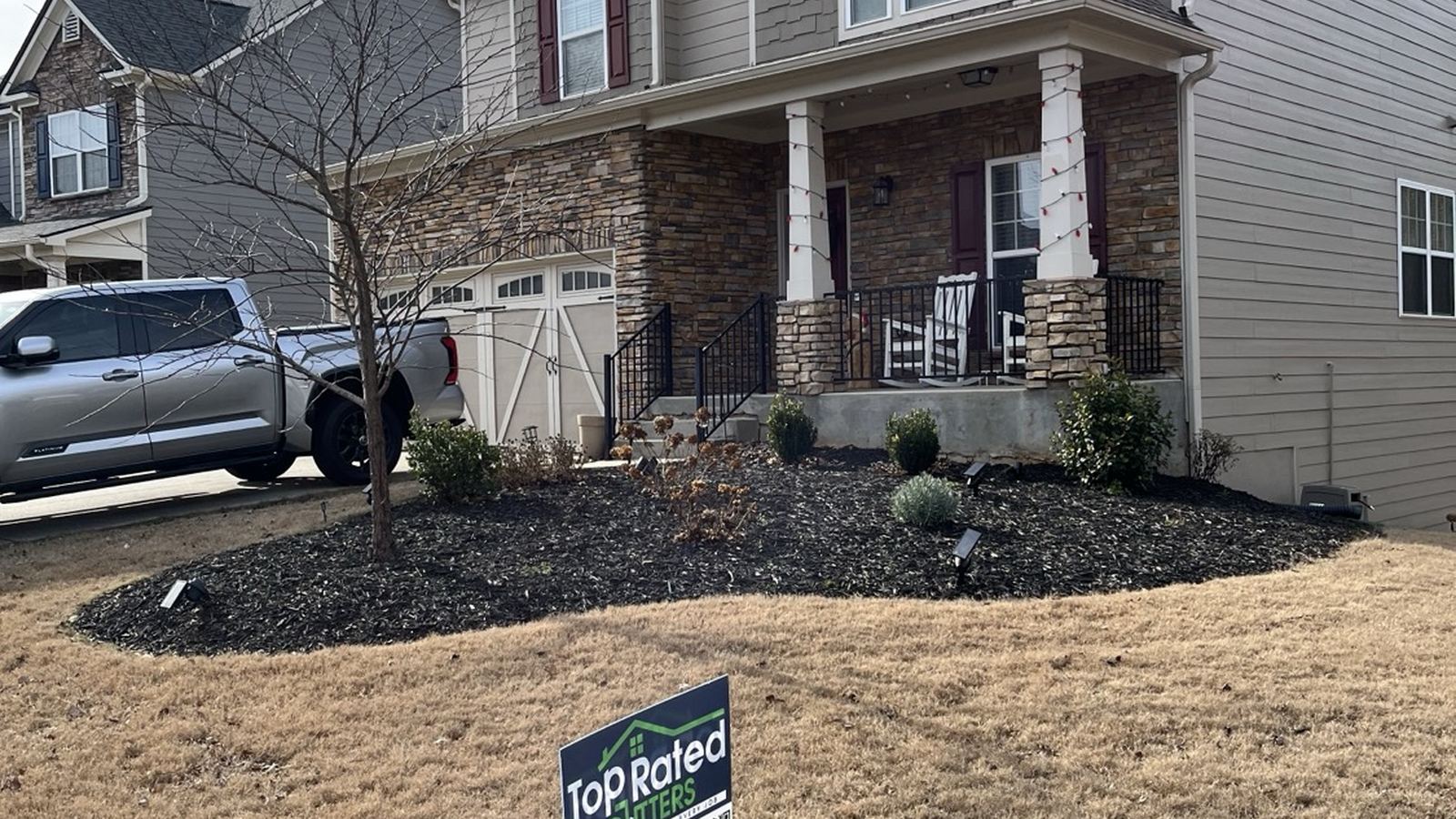
In neighbourhoods like Johns Creek, Suwanee, Alpharetta, Indian Hill and Blue Ash, a gutter replacement is not only a contractor decision. If the property sits in a covenanted community, the architectural review committee may need to approve the work before it starts, and finding that out after the crew is booked is an expensive way to learn it.
Covenants are private agreements and they vary enormously between communities, so nothing here is a substitute for reading yours. What is consistent is the kind of thing boards look at, and what makes an application go through smoothly.
What review boards typically care about
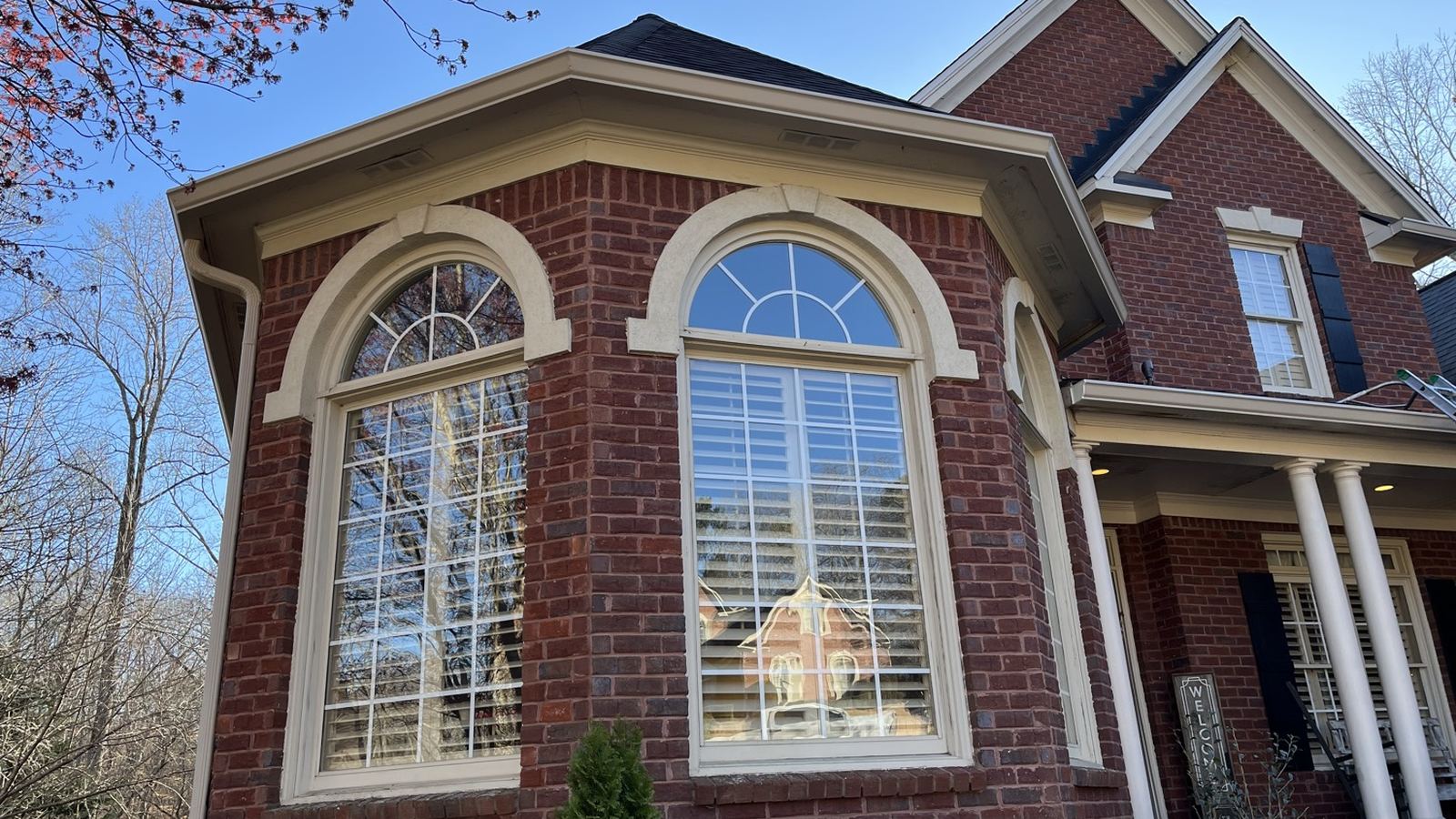
Colour. The most commonly regulated item by far. Many communities specify that gutters match the trim, the fascia or the roof, and some maintain an approved colour list. This is also the easiest thing to get wrong, because a contractor's standard white is not always the community's white.
Material and finish. Copper is sometimes restricted precisely because it changes appearance over time, and a board that has not thought about patina may react to the finished look rather than the installed one. Conversely, some historic districts require materials that a standard aluminum quote would not include.
Profile. Half-round versus K-style is a visible architectural choice, and in communities built to a consistent style it can be specified.
Visibility from the street. Many covenants distinguish between elevations that face the road and those that do not, which occasionally means different rules on the same house.
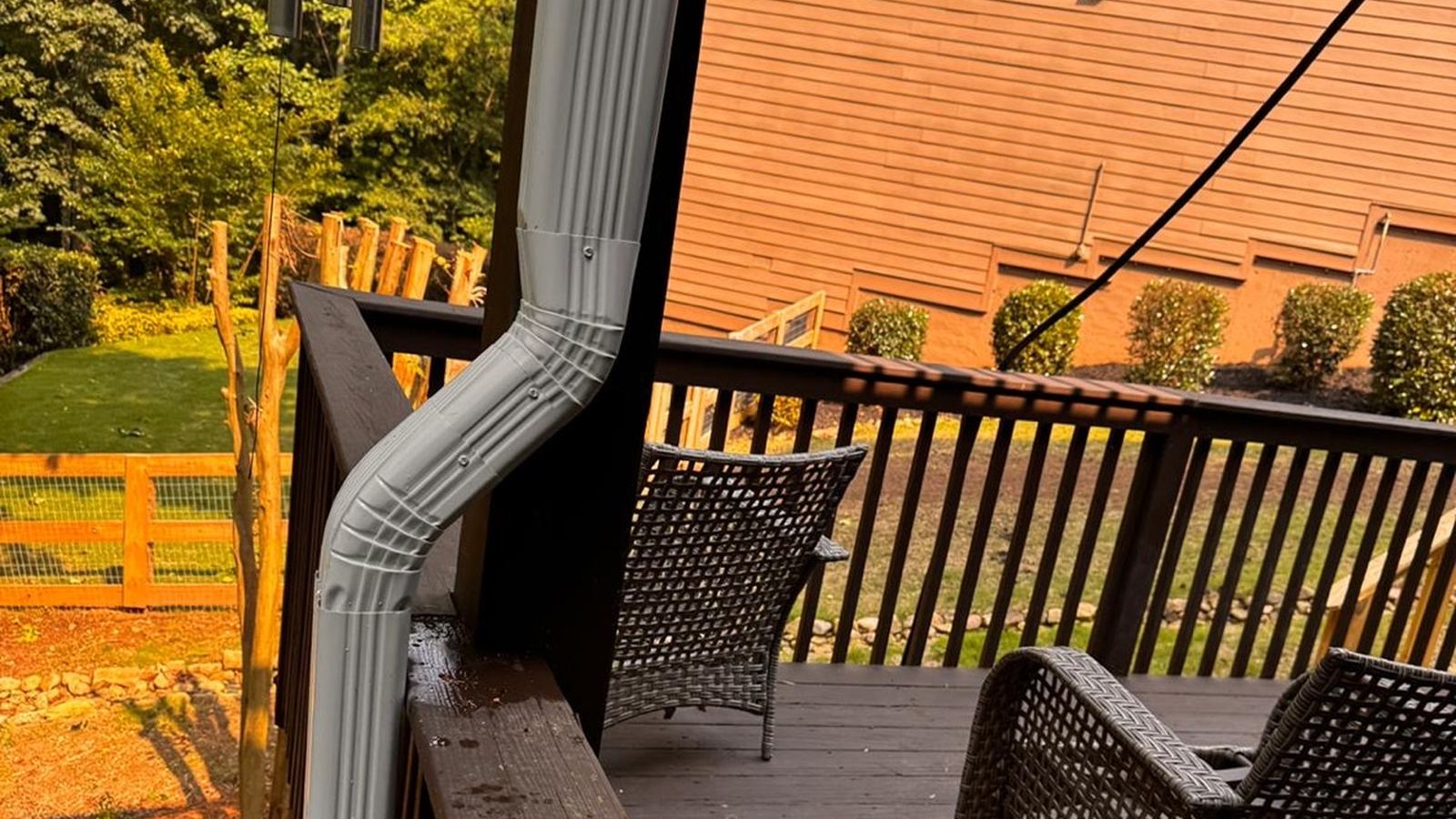
Downspout placement and discharge. Where water goes matters to neighbours, and this is the item most likely to generate a complaint after the fact. Discharge that crosses a property line or floods a shared path is a dispute waiting to happen regardless of what the covenant says.
Are gutter guards covered?
Often, and it surprises people. Guards can fall under language about roof appurtenances, exterior modifications or visible fittings, particularly reverse-curve systems, which are visible from the ground as a solid band along the eave. Fine mesh systems that sit inside the gutter line are less frequently an issue, though "less frequently" is not "never".
If your covenant addresses exterior alterations in general terms rather than listing items, assume guards are in scope and ask. A written confirmation that no approval is needed costs nothing and is worth having.
Making an application that gets approved
Boards reject applications for being vague far more often than for being objectionable. What helps:
- The specific product, not a category. Manufacturer, profile, size and colour name, rather than "new gutters".
- A colour sample or the manufacturer's colour reference. Removes the argument about whose white is which.
- Which elevations are affected, and whether anything visible from the street is changing.
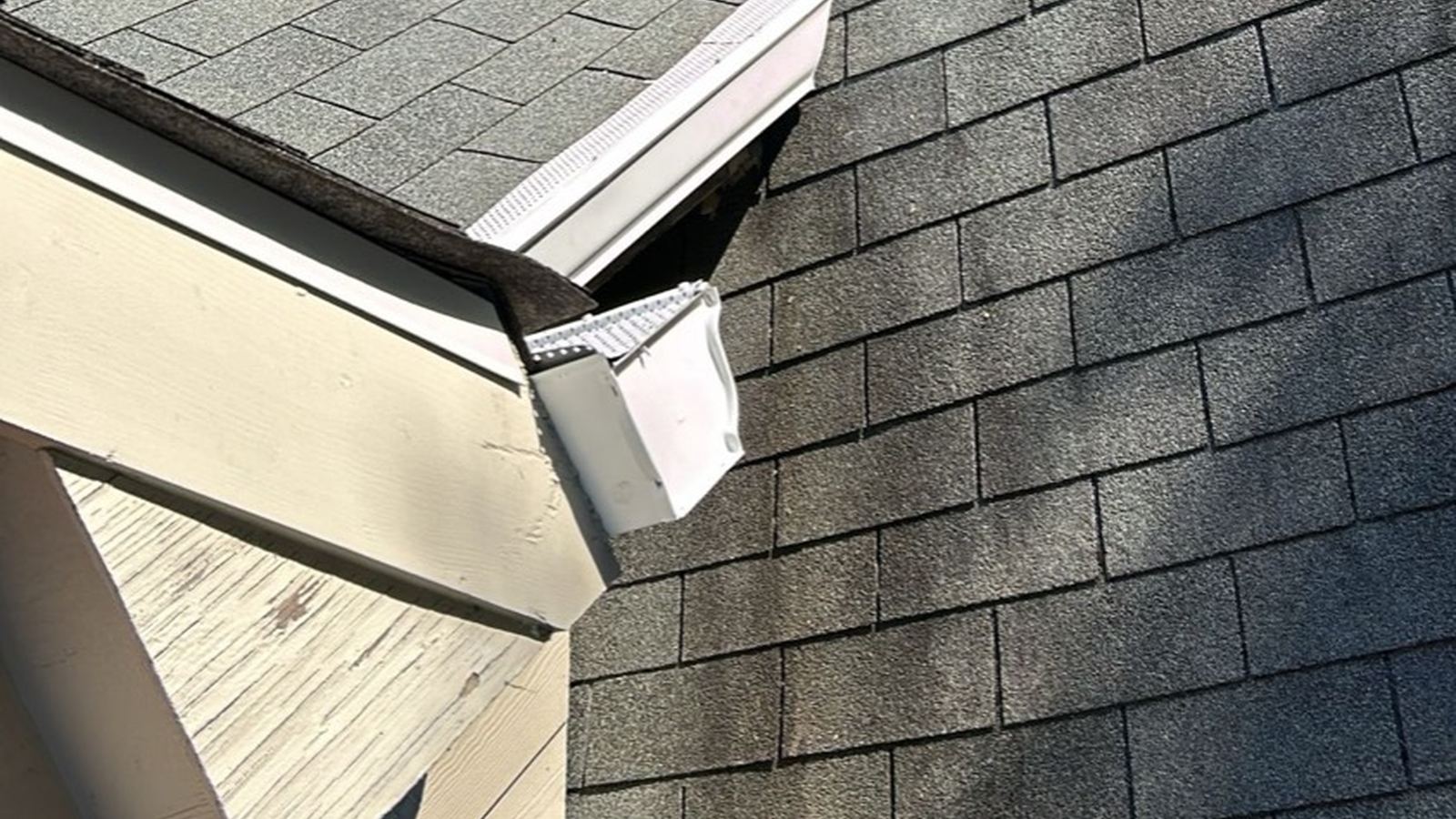
- A photograph of the current condition. Particularly useful where you are replacing something failing, because it reframes the request as restoration.
- Downspout locations and where the water will discharge.
- The contractor's insurance certificate, which many communities require for any work on site regardless of what the work is.
Timing, which is the part that actually bites
Review committees usually meet on a schedule rather than on demand, and a submission that misses a meeting waits for the next one. On a community that meets monthly, an application submitted the week after a meeting can add a month before work can begin.
That matters seasonally. A homeowner deciding in November to replace failing gutters before winter may find approval lands in January. If the gutters are actively failing, it is worth asking whether emergency or repair work is treated differently from an alteration - many covenants distinguish between the two, and a like-for-like repair is often outside the approval process entirely.
Where this leaves you
Read the covenant before choosing a product, not after. Ask the board in writing if the answer is not obvious. Build the meeting schedule into your timeline. And where a covenant restricts you to a particular colour or profile, tell your contractor at the quoting stage, because it may change the material and therefore the price.
None of this is advice about your particular covenant, which only you and your association can read. It is the shape of the process, so that it is not a surprise.
Our gutter replacement quotes state manufacturer, profile, size and colour reference in a form you can hand to a review committee, which is usually all an application needs from the contractor's side.

Written by
Scott Specker
Owner · Northeast Georgia
Owner of Top Rated Gutters of Northeast Georgia, serving Cumming, Alpharetta and surrounding communities.