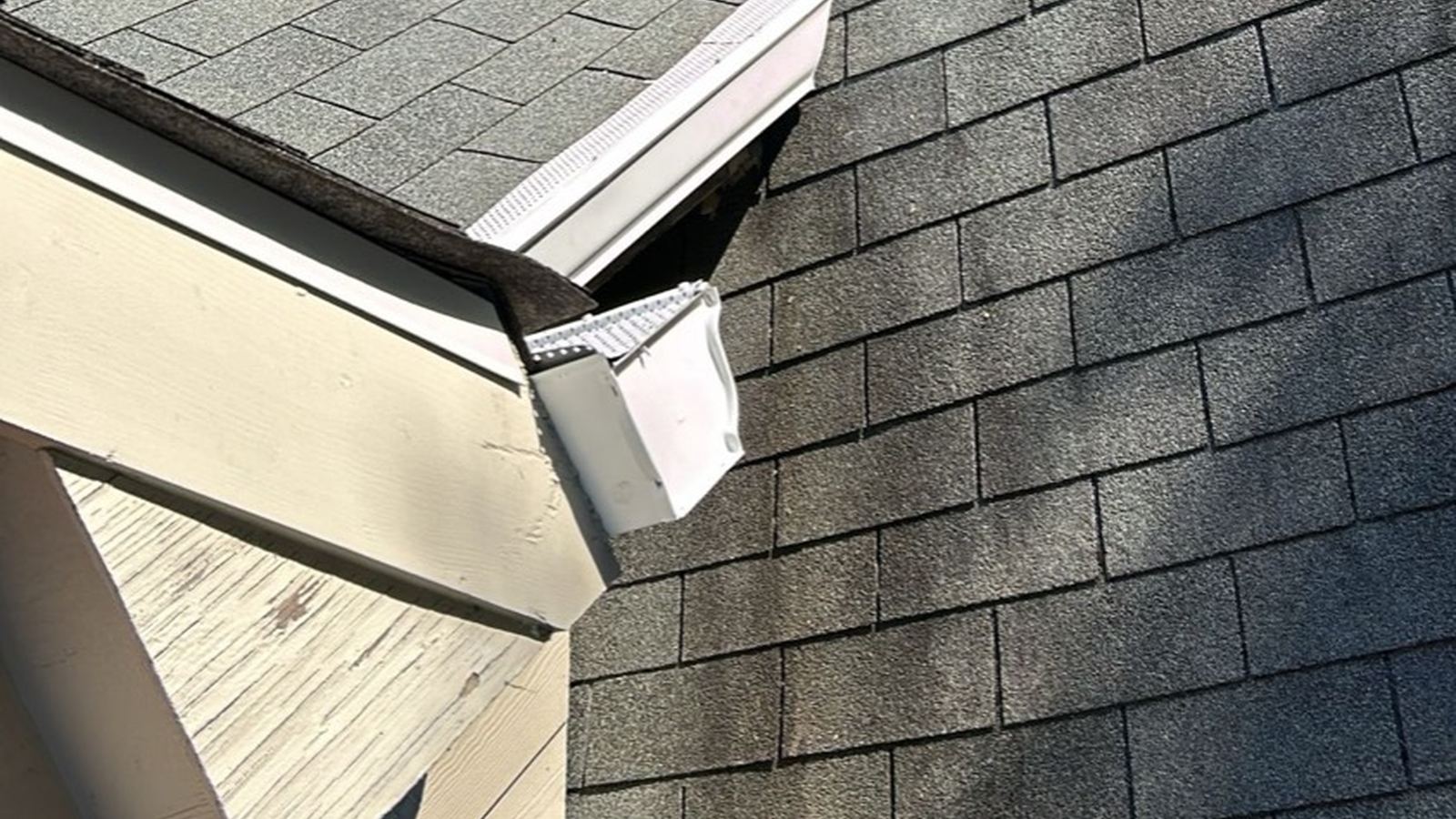

Your gutters are a crucial part of your home’s defense system, designed to manage the thousands of gallons of water that land on your roof each year. However, for them to function correctly, they must be clear of debris. This raises a common and important question for homeowners: “How often should I clean my gutters?”
In Central Georgia, the answer isn’t a simple “once a year.” Our region’s specific climate, characterized by heavy rainfall, high humidity, and an abundance of trees, creates a unique and demanding environment for your gutter system. A cleaning schedule that works in another part of the country could leave a home here vulnerable to clogs and water damage.
Failing to clean your gutters with the right frequency can lead to a host of expensive problems, including foundation damage, siding rot, roof leaks, and pest infestations. This guide will provide a detailed breakdown of how often you should clean your gutters in Central Georgia, the factors that influence that frequency, and the solutions available to make this critical task more manageable.
Why Gutter Cleaning is Non-Negotiable in Central Georgia
Before we discuss the “how often,” it’s vital to understand the “why.” A clogged gutter is not just an aesthetic issue; it’s a direct threat to your home’s structural integrity. When rainwater cannot flow freely through the gutter and down the spout, it has to go somewhere else. Usually, that means overflowing the sides of the gutter, leading to a cascade of problems.
- Foundation Damage: This is the most severe risk. When water overflows and pools around your home’s foundation, the soil becomes saturated. The resulting hydrostatic pressure can cause cracks in your foundation walls. In Central Georgia, where much of the soil has a high clay content, this danger is magnified. Clay soil expands significantly when wet and shrinks when dry, causing the ground to shift and potentially destabilizing your home’s entire structure.
- Siding and Fascia Rot: Water spilling over the gutter’s edge will run down your home’s siding, leaving ugly stains and causing paint to peel. More seriously, it can seep behind the siding and onto the wooden structure of your home, including the fascia board to which the gutters are attached. This constant moisture leads to wood rot, a costly repair that can compromise your entire roofline.
- Roof Damage: Trapped water in a clogged gutter can back up onto your roof, wicking underneath the shingles. This can rot the roof decking and rafters, leading to leaks inside your home. During the occasional winter freeze, this trapped water can form heavy ice dams that cause even more significant damage.
- Landscape Erosion: The concentrated overflow from a clogged gutter can wash away expensive mulch, topsoil, and plants, carving out unsightly trenches in your landscaping.
- Pest Infestations: Gutters filled with damp, decaying leaves and stagnant water are an ideal breeding ground for mosquitoes. They also attract ants, termites, rodents, and even snakes looking for a source of water and shelter.
Regular gutter cleaning is not just maintenance; it’s preventative care that protects your most valuable asset. For homeowners in communities from Macon to Warner Robins , a proactive approach is essential.
The General Rule: A Starting Point for Every Homeowner
For the average home in the United States, the standard recommendation is to clean gutters twice a year .
- Late Spring: After trees have finished dropping their pollen, seeds, “tassels,” and flowers. This spring debris can form a sludgy base layer that initiates clogs later in the year.
- Late Fall: After most of the leaves have fallen from deciduous trees. This is typically the heaviest cleaning of the year, preparing your gutters for winter rains.
This twice-a-year schedule is a good baseline, but in Central Georgia, it’s often not enough. Several local factors can require you to clean your gutters more frequently.
Factors That Influence Your Gutter Cleaning Frequency
To determine the right schedule for your specific property, you need to assess your home’s unique environment. Your neighbor’s schedule might not be right for you, especially if their yard is different from yours.
1. Tree Coverage (The Biggest Factor)
The number, type, and proximity of trees to your home are the single most important variables in determining your cleaning frequency.
- Heavy Tree Coverage: If your home is heavily shaded by mature trees, you are in a high-maintenance category. You will likely need to clean your gutters 3 to 4 times a year . A property in a wooded area like Forsyth may need a cleaning in late spring, mid-summer (after storms), early fall, and again in late fall.
- The Type of Trees Matters:
- Pine Trees: Homes surrounded by pine trees often require the most frequent attention. Pines shed needles year-round, and these needles are notorious for creating dense, interlocking clogs that are difficult to remove. If you have pine trees, you should inspect your gutters quarterly.
- Oak Trees: Oaks drop a massive amount of debris, including long, stringy tassels in the spring and a heavy blanket of leaves in the fall. A home surrounded by oaks needs, at minimum, a thorough spring and fall cleaning.
- Maple, Poplar, and Other Deciduous Trees: These contribute heavily to fall clogs. Some, like maples, also drop “helicopter” seeds in the spring that can clog downspouts.
- No Tree Coverage: If your home has no trees nearby, you can likely stick to a schedule of once or twice a year . You’ll still get shingle grit, wind-blown debris, and pest nests, so cleaning isn’t optional, just less frequent.
2. Gutter and Roof Type
The design of your roof and gutters also plays a role.
- Roof Pitch: A steeply pitched roof causes water and debris to move into the gutters with greater speed and force, which can help flush out some lighter debris but can also cause blockages to form more quickly at corners or in downspouts.
- Roof Valleys: If your roof has valleys where two planes meet, a large amount of water and debris is funneled into one specific area of your gutter, making that section highly prone to clogs.
- Sectional vs. Seamless Gutters: As discussed previously, traditional sectional gutters have seams that snag debris, requiring more frequent cleaning than their smooth, seamless counterparts. If you have older, sectional gutters, you need to be more vigilant.
3. Local Weather Patterns
Central Georgia’s weather necessitates a more watchful eye.
- Heavy Rainstorms: Our region is known for intense thunderstorms that can dump inches of rain in a short period. After a major storm, it’s always a good idea to visually inspect your gutters from the ground. Storms knock down leaves, twigs, and branches that can cause immediate, major clogs.
- High Winds: Windy days can load your gutters with debris even if the trees aren’t directly over your house.
- Seasonal Changes: The transition from spring to summer and fall to winter are critical times to ensure your gutters are clear and ready for the seasonal weather patterns ahead.
Your Customized Gutter Cleaning Calendar for Central Georgia:
- Low Tree Coverage: Clean in late fall. Inspect in late spring.
- Moderate Tree Coverage (A few deciduous trees): Clean thoroughly in late spring and late fall. Inspect after major storms.
- Heavy Tree Coverage (Especially oaks and pines): Clean in late spring, mid-summer, early fall, and late fall. This quarterly schedule keeps you ahead of the problem.
This level of upkeep is common for homes in places like Lizella and Perry where suburban homes are often built among established trees.
How to Clean Your Gutters: DIY vs. Professional
Once you’ve established your schedule, you need to decide how to get the job done. You have two options: do it yourself or hire a professional.
The DIY Approach: A Guide to Safety
If you choose to clean your gutters yourself, safety must be your absolute top priority. Gutter cleaning is consistently ranked as one of the most dangerous household chores due to the risk of ladder falls.
If you proceed, follow these safety rules without exception:
- Use a Sturdy Ladder: Use a heavy-duty ladder with a shelf for holding your tools. Make sure it is rated for your weight. Before climbing, ensure the ladder is on firm, level ground. Never stand on the top two rungs.
- Have a Spotter: Always work with a helper who can hold the base of the ladder, pass you tools, and call for help if needed.
- Wear Protective Gear:
- Thick Gloves: Gutters can contain sharp objects like screws, pieces of metal, or broken glass. They are also full of rotting, bacteria-filled muck.
- Eye Protection: You don’t want debris or dirty water splashing into your eyes.
- Use the Right Tools: A small garden trowel or a dedicated gutter scoop works well for removing packed-in debris. Use a bucket to collect the gunk; don’t just throw it on the ground, as it can damage your lawn and landscaping.
- Check for Power Lines: Be extremely aware of the location of any power lines near your roof. Keep your ladder and any metal tools at least 10 feet away from them.
- Flush the System: After you’ve removed the bulk of the debris, use a garden hose to flush the gutters and downspouts. This will clear out any remaining small particles and allow you to check for leaks and ensure the downspouts are not clogged. If water backs up at a downspout, it is blocked. You may need to use a plumber’s snake to clear it.
When to Hire a Professional
While DIY is an option, there are many situations where hiring a professional gutter cleaning service is the smarter, safer, and more effective choice.
Consider hiring a professional if:
- Your home is two or more stories high. The risk of a fall increases dramatically with height.
- Your roof is very steep. Navigating a steep roofline is a job best left to trained and insured experts.
- You are not comfortable on a ladder. If you feel unsteady or unsafe, do not attempt the job.
- You have a busy schedule. Gutter cleaning can take several hours. A professional crew can often complete the job in a fraction of the time.
- You want a thorough job. Professionals not only clean the gutters but also inspect the entire system for damage, secure loose fasteners, and ensure the downspouts are completely clear. They have the right tools and expertise to do the job efficiently.
Professional services are readily available throughout the region, including in Byron and Centerville , and provide a safe and reliable alternative to risky DIY work.
The Ultimate Solution: Reducing Cleaning Frequency with Gutter Guards
For many Central Georgia homeowners, the cycle of frequent, messy, and dangerous gutter cleaning is a major burden. If you’re tired of the constant maintenance, the best long-term solution is to install a high-quality gutter guard system.
Gutter guards are protective coverings that are installed over your existing gutters. They allow water to enter while preventing leaves, pine needles, and other debris from getting in and forming clogs.
How Gutter Guards Change Your Maintenance Schedule:
- Virtually Eliminates Cleaning: A high-quality, professionally installed micro-mesh gutter guard system can reduce your gutter cleaning needs from 3-4 times a year to virtually never. The debris stays on top of the guard, dries, and is blown away by the wind.
- Ensures Gutters Are Always Ready: Gutter guards keep your system clear 24/7. This means you don’t have to worry about a sudden storm clogging your gutters. They are always ready to handle even the heaviest downpour, providing constant protection for your home.
- A One-Time Investment: While there is an upfront cost, gutter guards are a permanent solution. They eliminate the recurring cost of hiring a cleaning service and, more importantly, provide an insurance policy against the multi-thousand-dollar repairs that can result from water damage.
- Increases Safety: By eliminating the need to climb a ladder, gutter guards remove the single greatest risk associated with gutter maintenance.
It is crucial to choose a high-quality system. Cheap, DIY-store plastic screens or foam inserts can warp, crack, or even worsen clogs. A professional-grade micro-mesh system is the most effective choice for handling the diverse debris and heavy rainfall we experience in Central Georgia. Consulting with experts in areas like Warner Robins or Forsyth can help you select the best guard for your home.
The Final Answer for Central Georgia
So, how often should you clean your gutters?
Start with the baseline of twice a year (late spring and late fall) . Then, adjust your frequency based on your property’s specific factors. If you live under a canopy of oak and pine trees, increase your schedule to 3-4 times per year . Always inspect your gutters after major storms.
However, the best answer to the question is to find a way to make it a non-issue. By investing in a professional-grade gutter guard system, you can move from a reactive schedule of constant cleaning to a proactive state of permanent protection. This one-time upgrade ensures your gutters are always working to protect your home, giving you peace of mind no matter what the Central Georgia weather brings.
Don’t wait for a clog to cause a catastrophe. Assess your home’s needs, establish a cleaning schedule, and consider the permanent solution that will keep you off the ladder and your home safe for good. No matter where you are in Central Georgia, from Perry to Lizella , professional help is available to ensure your home is protected.
< Previous Next >
Written by
Michael Nungesser
Owner · Central Georgia
Owner of Top Rated Gutters of Central Georgia with 20+ years in home improvement across the state.