As the vibrant colors of autumn fade and a chill settles in the air, Cincinnati homeowners know that winter is just around the corner. This means preparing our homes for the season of snow, ice, and freezing temperatures. While we focus on servicing the furnace and weatherstripping windows, one of the most critical winter preparations is often overlooked: getting the gutters ready. A neglected gutter system is a major liability during a Cincinnati winter, capable of causing severe damage to your roof, siding, and foundation.
The combination of heavy snowfall, ice accumulation, and fluctuating freeze-thaw cycles puts immense stress on your gutters. A system that isn’t prepared to handle these conditions will fail, leading to costly and frustrating problems in the dead of winter. The good news is that with a clear, step-by-step approach, you can fortify your gutters against the season’s harshest challenges.
This guide will walk you through everything you need to do to get your gutters ready for a Cincinnati winter. From essential cleaning and inspections to smart repairs and long-term upgrades, these proactive steps will ensure your gutter system protects your home effectively, giving you peace of mind all season long.
Why Winter Gutter Prep is Non-Negotiable in Cincinnati
To appreciate the importance of winter preparation, you need to understand the specific threats our climate poses to your gutters.
- Heavy, Wet Snow: Cincinnati often gets heavy, wet snow that is far denser and heavier than light, fluffy powder. This snow accumulates in your gutters, and its weight alone can cause them to sag, bend, or pull away from the fascia board.
- Ice Dams: When heat escaping from your attic melts snow on the roof, the water runs down and refreezes in the cold gutters, forming a ridge of ice called an ice dam. These dams are incredibly heavy and can tear gutters right off your home. They also trap water behind them, forcing it under your shingles and into your attic.
- Freeze-Thaw Cycles: Our winters are famous for temperature swings. Water that melts during the day and freezes in your gutters at night expands by about 9%, exerting immense pressure. This cycle breaks seals, cracks vinyl, splits seams, and pries hangers loose from the wood.
- Clogged Gutters: The primary catalyst for all these problems is a gutter system that is already clogged with fall leaves and debris. A clogged gutter is guaranteed to trap water, which then freezes into a solid, destructive block of ice.
Without proper preparation, your gutters are not just ineffective; they become an active threat to your home’s structural integrity.
Step 1: The Great Fall Clean-Out
The single most important task to prepare your gutters for winter is a thorough cleaning after the majority of leaves have fallen. This removes the fuel for winter ice problems and ensures that any water from melting snow or winter rain has a clear path to drain away.
When to Clean
Timing is crucial. If you clean too early in the fall, you’ll just have to do it again. The ideal time is in mid-to-late November, after most of the trees in your yard and your neighbors’ yards have shed their leaves, but before the first hard freeze.
Your Cleaning Toolkit
- A Sturdy Ladder: Ensure it’s placed on level ground. Using a ladder with stand-off stabilizers (or “horns”) is highly recommended, as this prevents you from leaning the ladder against the gutters themselves, which can cause damage.
- Thick Gloves: Waterproof work gloves will protect your hands from sharp objects, bacteria, and the cold, wet muck.
- A Gutter Scoop or Trowel: A plastic gutter scoop is designed to fit the shape of your gutter and won’t scratch or damage the metal. A small garden trowel also works well.
- A Bucket: Use a bucket with a handle that can be hooked onto your ladder to collect the debris. Tossing it onto the ground below creates a second cleanup job.
- A Garden Hose with a Nozzle: This is for the final flush-out to clear away small particles and check for clogs.
The Cleaning Process
- Set Up Safely: Position your ladder securely. Never overreach; instead, climb down and move the ladder every few feet.
- Scoop Out Debris: Start at a downspout and work your way along the gutter, scooping out all the leaves, twigs, and packed-in dirt.
- Flush the Gutters: Once the large debris is removed, use your hose to spray a stream of water through the gutters toward the downspout. This will wash away any remaining shingle grit and sediment.
- Check the Downspouts: As you flush the gutters, watch the flow of water into the downspouts. If the water backs up, the downspout is clogged. Use the hose at high pressure to try and force the clog through. If that doesn’t work, a plumber’s snake may be needed to break it up.
For many, climbing a ladder is risky. If you’re not comfortable with heights or don’t have the right equipment, professional gutter services in Liberty Township or your local area offer a safe and effective alternative.
Step 2: Inspect for Winter Weaknesses
With your gutters now clean, you have a clear view to inspect for any damage or weak points that could fail under the stress of winter ice and snow. Don’t skip this step, a small problem found in November is much easier to fix than a collapsed gutter in January.
Your Winter-Ready Inspection Checklist:
- Check for Leaks: Look closely at all seams, corners, and end caps. Signs of leaks include visible drips, water stains on the fascia or siding below, and dirt trails where water has been escaping.
- Test Gutter Slope: After a light rain, or by using your hose, check for standing water in the gutters. Water should flow freely toward the downspouts. If it pools, the gutter’s slope is incorrect and needs adjustment. This is a critical fix, as standing water is what freezes and causes damage.
- Examine Hangers and Fasteners: Tug gently on the gutters. They should feel solid and secure. Look for any hangers that are loose, bent, or have pulled away from the fascia. Ensure screws or spikes are firmly embedded.
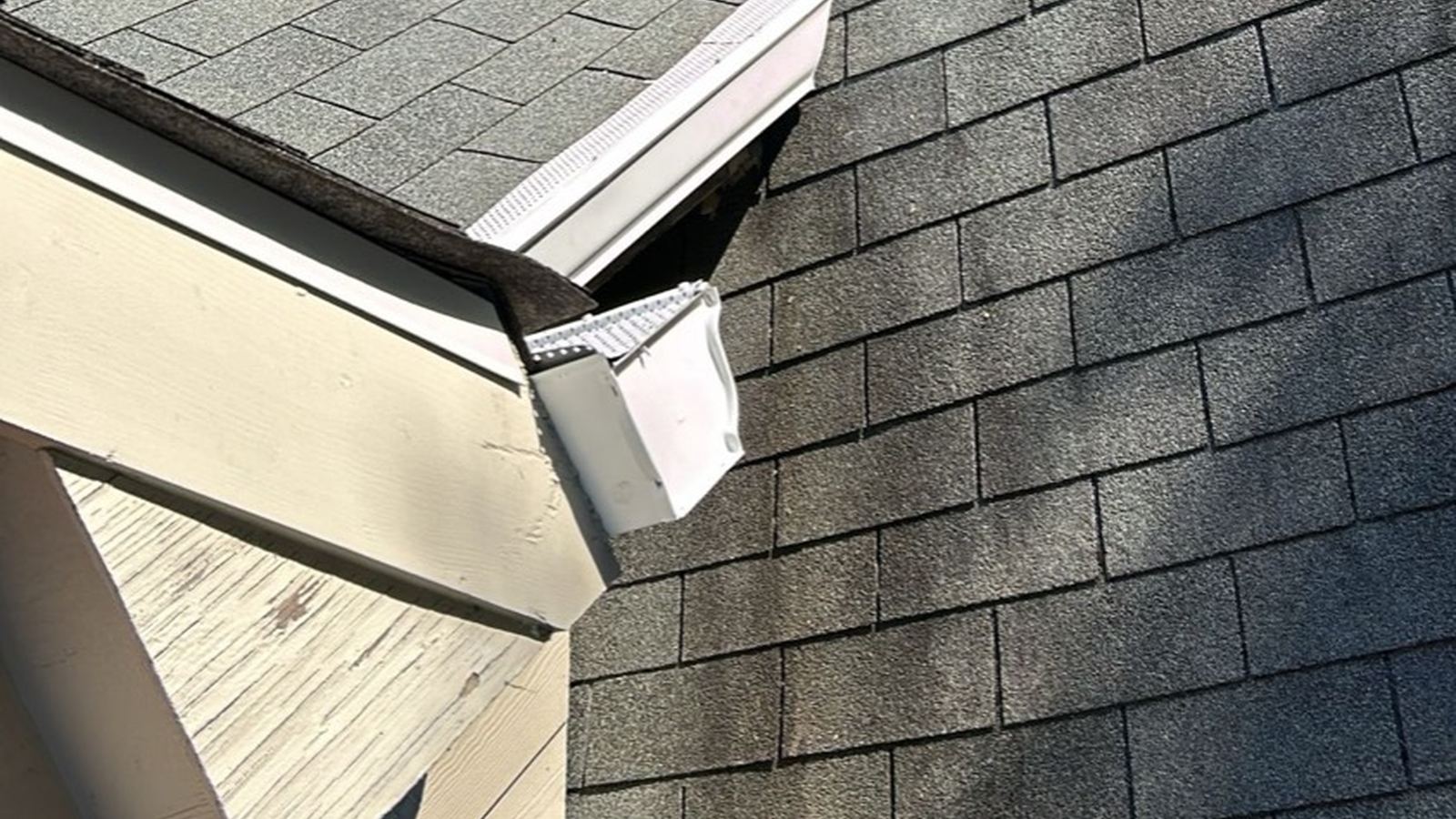
- Look for Physical Damage: Inspect the troughs for cracks (especially in vinyl gutters, which become brittle in the cold), holes from rust or impacts, and signs of corrosion.
- Assess Fascia and Soffit Health: Look at the wood boards behind and below the gutters. Probe any discolored or peeling areas with a screwdriver. If the wood is soft and spongy, it’s a sign of rot that needs to be addressed before winter.
A thorough inspection from a professional who provides gutter services in Beechmont can provide a detailed report of your system’s health.
Step 3: Make Critical Pre-Winter Repairs
Based on your inspection, it’s time to make repairs. Addressing these issues now will reinforce your gutter system, making it resilient enough to handle the pressures of winter.
Common Pre-Winter Fixes:
- Sealing Leaks: For leaking seams or small cracks, clean and dry the area thoroughly, then apply a high-quality, weatherproof gutter sealant. Choose a sealant that is rated for cold temperatures and stays flexible.
- Re-securing Gutters: If you have loose hangers, tighten the screws. If the fastener won’t tighten because the wood is stripped, use a longer and wider screw or move the hanger over a few inches to a solid piece of wood. For widespread sagging, it’s best to call a professional. Experts in areas like Milford can properly re-secure and re-pitch the entire system.
- Adjusting Slope: To fix an improper slope, you’ll need to detach the hangers in the affected area, reposition the gutter to achieve the correct pitch (about a quarter-inch drop for every 10 feet), and then re-secure the hangers. This can be a tricky job and is often best left to a pro.
If your inspection reveals extensive problems like widespread rust, multiple leaking seams, or rotting fascia boards, simple repairs may not be enough. This is a strong indication that it’s time to consider a full replacement before winter exposes these critical failures.
Step 4: Consider a Proactive Upgrade for Long-Term Protection
If your fall maintenance routine reveals that your old gutters are on their last legs, you have a golden opportunity to upgrade to a system designed to handle Cincinnati winters for decades to come.
Upgrade to Seamless Gutters
Traditional sectional gutters are inherently flawed for a winter climate due to their numerous seams. Every seam is a weak point that the freeze-thaw cycle will attack. A seamless gutter system is the solution. Custom-fabricated on-site to create a single, continuous trough, it eliminates these failure points. A new gutter installation in Lebanon or Kenwood using seamless technology is one of the best investments you can make for winter-proofing your home. They are stronger, leak-proof, and better equipped to handle the weight of ice and snow.
Install Professional-Grade Gutter Guards
The ultimate winter preparation is to prevent debris from ever entering your gutters in the first place. High-quality micro-mesh gutter guards allow water to flow in but block all leaves, twigs, and other clog-forming materials. This means your gutters remain clear and functional all year long.
Why Gutter Guards are a Winter Game-Changer:
- They Prevent Clogs: No clogs means no trapped water, which means no ice buildup, no ice dams, and no freeze-thaw damage.
- They Add Strength: Gutter guards form a solid cover over the trough, reinforcing the system and helping it to shed snow and resist ice loads.
- They Eliminate Dangerous Cleaning: You no longer need to get on a ladder in the cold, late-autumn weather.
A professional gutter installation in Mason that includes a top-tier gutter guard system is the most effective way to ensure your home is protected season after season. This is a popular solution for homeowners in heavily treed areas from Indian Hill to Mariemont .
Step 5: Don’t Forget the Supporting Cast
Your gutters are only one part of the water management system. For complete winter readiness, pay attention to these related areas.
Check Your Downspout Extensions
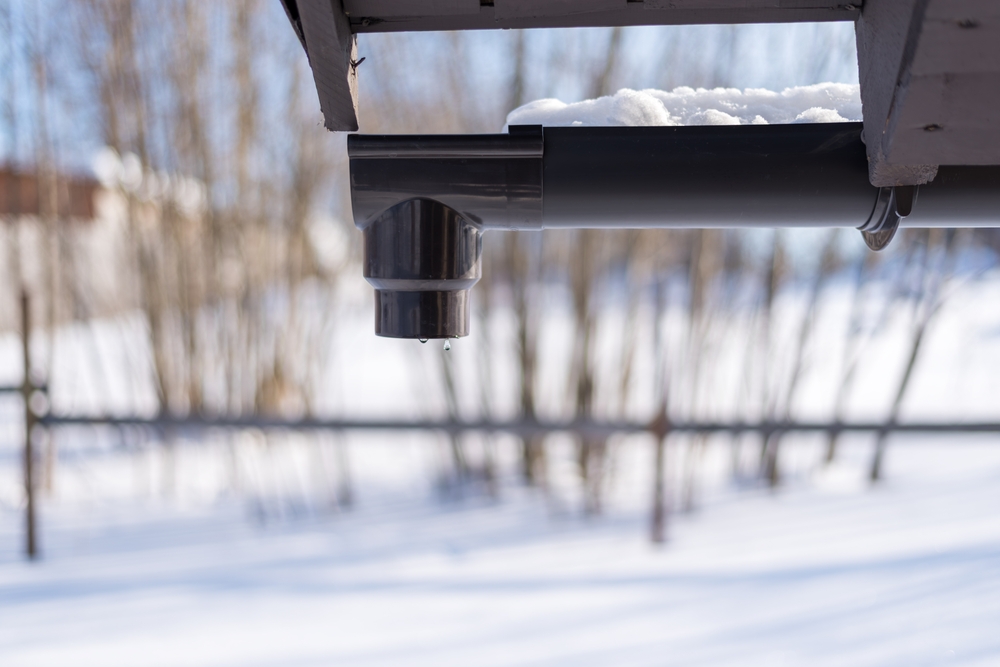
Ensure your downspouts discharge water at least five to ten feet away from your foundation. In winter, this is crucial. A downspout that terminates next to the house will create a large patch of ice on the ground, which can both be a dangerous slipping hazard and force water into your foundation as it melts. Ensure extensions are securely attached and aimed toward a downward slope. This is a key part of any professional gutter service in Maineville .
Improve Attic Insulation and Ventilation
Ice dams are often a symptom of a warm roof caused by poor attic insulation and ventilation. Heat escaping from your living space warms the underside of the roof, melting snow from the bottom up. By ensuring you have adequate insulation on the attic floor and proper ventilation through soffit and ridge vents, you keep the roof surface cold. This prevents the snow from melting in the first place, stopping ice dams at their source. This is a whole-home solution that professionals in areas from South Lebanon to Northern Kentucky can advise on.
Your Winter Preparation Checklist Summarized
Getting your gutters ready for winter doesn’t have to be overwhelming. Follow this simple checklist this fall:
- [ ] Wait for the leaves to fall, then perform a thorough gutter cleaning.
- [ ] Flush the gutters and downspouts with a hose to ensure they are clear.
- [ ] Inspect the entire system for leaks, sagging, and physical damage.
- [ ] Check that hangers are secure and the slope is correct.
- [ ] Seal any minor leaks and tighten loose fasteners.
- [ ] Ensure downspouts extend far from your foundation.
- [ ] If you find major issues, call a professional for an assessment.
- [ ] Consider upgrading to seamless gutters and/or gutter guards for a permanent solution.
Winter in Cincinnati is beautiful, but it demands respect. By taking these proactive steps now, you can prevent the costly and stressful damage that winter weather can inflict. A well-prepared gutter system will do its job silently and effectively, protecting your home and giving you the freedom to enjoy the season without worry. Whether you’re in Landon , Montgomery , or Terrace Park , a little preparation goes a long way in safeguarding your most valuable asset.
< Previous Next >
Written by
Colin Nellis
Owner · Cincinnati, OH
Owner of Top Rated Gutters of Cincinnati, with a career built in home improvement on honest, high-quality service.