When homeowners in Central Georgia think about improving their home’s energy efficiency, their minds typically turn to attic insulation, modern windows, or high-efficiency HVAC systems. Few, if any, would ever consider their gutters. Yet, this often-overlooked system plays a surprisingly critical, albeit indirect, role in maintaining your home’s energy efficiency and keeping your utility bills in check.
A functioning gutter system does more than just keep rain off your head; it is the cornerstone of your home’s water management strategy. When that strategy fails due to clogged, leaking, or damaged gutters, the resulting water intrusion can create a cascade of problems that directly undermine your home’s ability to stay cool in the summer and warm in the winter. From a damp foundation to compromised insulation, poor water control forces your HVAC system to work harder, leading to higher energy consumption and costs.
This guide explores the hidden connection between your gutters and your energy bills. We will explain how a failing gutter system can silently sabotage your home’s efficiency and outline how investing in a modern, high-performance gutter system can protect your home and contribute to long-term energy savings.
The Ripple Effect: How Gutter Failures Drain Your Energy Budget
The link between gutters and energy efficiency is not direct, but it is powerful. It’s a chain reaction where poor water management leads to moisture problems, which in turn leads to thermal inefficiency. Here’s how the process unfolds.
1. Foundation Moisture and Its Impact on Indoor Climate
The Problem: When gutters clog and overflow, they dump massive amounts of water directly against your home’s foundation. In Central Georgia, our clay-rich soil soaks up this moisture, creating a zone of saturation around your basement or crawlspace. This water then inevitably finds its way inside through pores and cracks in the foundation.
The Energy Connection: A wet or damp basement or crawlspace is a major energy drain.
- Increased Humidity: Moisture evaporating from damp foundation walls significantly increases the humidity level throughout your entire home. In our already humid climate, your air conditioner must work much harder not only to cool the air but also to dehumidify it. This added workload can dramatically increase your electricity bills during our long, hot summers.
- Conductive Heat/Cold Transfer: A damp foundation is a poor insulator. Wet concrete or cinder block conducts thermal energy much more effectively than when it’s dry. In the summer, the heat from the saturated ground is transferred into your cool basement, forcing your AC to run longer. In the winter, the cold, damp ground leaches warmth from your home, making your heating system work overtime.
A dry foundation is the first step to an energy-efficient home, and that starts with gutters that effectively move water away. This is a crucial concern for homeowners everywhere, from Macon to Perry .
2. Compromised Wall Insulation from Leaks and Overflows
The Problem: Overflowing gutters can cause water to run down your siding and potentially seep into the wall cavities of your home. A single leaky seam or a backed-up corner can introduce persistent moisture into your walls.
The Energy Connection: Insulation works by trapping air in tiny pockets. When that insulation gets wet, its structure collapses, and the air pockets fill with water.
- Loss of R-Value: Wet insulation loses almost all of its insulating properties (its R-value). A wall with damp fiberglass or cellulose insulation is little better than an uninsulated wall. This creates “cold spots” in the winter and “hot spots” in the summer, places where energy flows freely out of (or into) your home.
- Permanent Damage: Once insulation becomes compacted by water, it often doesn’t regain its original form or R-value even after it dries. This means a single water intrusion event from a failed gutter can permanently degrade your home’s thermal performance in that area until the wall is opened up and the insulation is replaced.
3. Mold and Mildew Growth in Attics and Walls
The Problem: When gutters back up, water can push its way under the edge of your roof shingles, saturating the roof decking and leaking into your attic. This, combined with moisture in walls and crawlspaces, creates the perfect breeding ground for mold and mildew.
The Energy Connection: While mold is primarily a health and structural issue, it also has an energy component.
- Air Quality and HVAC Strain: Mold releases spores into the air, drastically reducing indoor air quality. Many homeowners respond by running air purifiers or setting their HVAC fan to run continuously in an attempt to filter the air. This increases electricity consumption.
- Degradation of Materials: Mold feeds on organic materials like wood and paper-faced drywall, causing them to decay. As these building materials degrade, they can lose their structural and insulating properties, creating drafts and further reducing energy efficiency. A professional gutter assessment in areas like Warner Robins can help prevent the leaks that lead to these issues.
4. Drafts from Warped and Rotted Window and Door Frames
The Problem: Persistent water exposure from overflowing gutters can damage more than just your foundation and walls. Water running down the siding can seep into the wooden frames around windows and doors, causing the wood to swell, warp, and eventually rot.
The Energy Connection: When window and door frames warp, they no longer create a tight seal.
- Air Infiltration: Gaps open up, allowing conditioned air to escape and unconditioned outside air to enter. These drafts can be a major source of energy loss, making rooms feel uncomfortable and forcing your heating and cooling systems to run constantly to maintain the desired temperature.
- “The Blower Door Test”: Professional energy auditors use a device called a blower door to measure a home’s airtightness. Homes with significant air leakage from poorly sealed windows and doors consistently score poorly and have higher energy bills. Many of these leaks can be traced back to water damage originating from the roofline.
The Solution: An Energy-Efficient Gutter System
Protecting your home’s energy efficiency means investing in a gutter system that is designed to provide fail-safe water management. Here are the key components of a system that can indirectly help lower your energy bills.
1. Seamless Gutters: The First Line of Defense
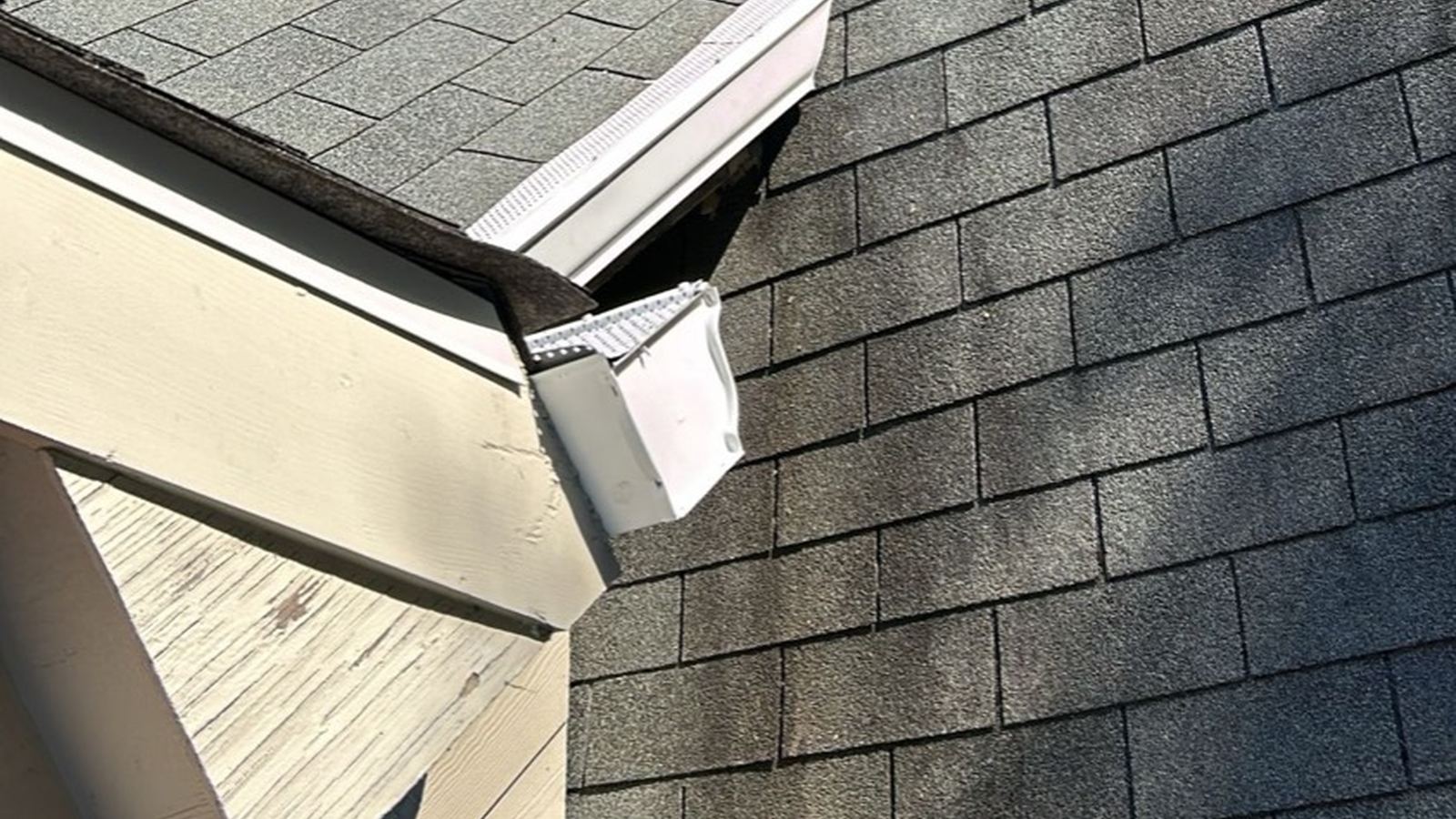
Traditional sectional gutters are inherently inefficient and risky. Their numerous seams are weak points that inevitably fail, leading to the very leaks that cause foundation moisture and wall damage.
Seamless gutters are the superior choice. They are custom-made on-site from one continuous piece of aluminum, eliminating the risk of seam leaks along the straight runs. By ensuring that water stays in the gutter until it reaches the downspout, a seamless system provides the reliable water control needed to keep your foundation and walls dry. This single feature makes them an essential upgrade for any homeowner serious about preventing moisture-related energy loss, a smart move for residents in Byron and Lizella .
2. Gutter Guards: Guaranteeing Performance
A seamless gutter is only effective if it’s clear of debris. In Central Georgia, with its abundance of pine needles, oak tassels, and leaves, an unprotected gutter will clog. A clogged gutter is arguably worse than no gutter at all, as it concentrates water overflow in specific areas.
High-quality micro-mesh gutter guards are the ultimate solution. They create a physical barrier over the gutter that allows water to flow in freely while blocking all debris from entering.
- Prevents Clogs and Overflows: This is their primary benefit. By keeping the gutter channel clear, you guarantee the system can function at full capacity during every storm, preventing the overflows that saturate your foundation and walls.
- Maintains System Integrity: Gutter guards prevent the buildup of heavy, wet debris that can cause gutters to sag. Sagging gutters create low spots where water pools and overflows, directly contributing to moisture problems.
By ensuring your gutters are always working, gutter guards play a crucial role in the preventative maintenance that safeguards your home’s energy efficiency. They are a wise investment for any home, especially in heavily wooded areas like Forsyth .
3. Professional Installation: Ensuring Proper Function
An energy-efficient gutter system must be installed correctly. This is not a place to cut corners with DIY work or inexperienced handymen.
- Correct Pitching: Professionals install gutters with a precise slope to ensure water flows actively toward the downspouts. This prevents standing water, which can lead to corrosion and provide a breeding ground for mosquitoes, and ensures the system evacuates water efficiently.
- Secure Fastening and Fascia Health: A professional installer will use durable hangers to secure the gutters to solid, healthy fascia boards. They will inspect for and repair any wood rot before installation, preventing future detachment and ensuring the system remains firmly in place.
- Proper Sizing: An expert can determine if your home requires larger 6-inch gutters and 3×4-inch downspouts to handle the water volume from your roof, a critical factor for preventing overflows during Central Georgia’s intense downpours.
A professional installation from a trusted company in Centerville or the surrounding areas ensures all components work together to provide maximum protection.
Actionable Steps for Homeowners
How can you leverage your gutter system to protect your home’s energy efficiency?
- Conduct a Gutter Audit: Walk around your home during a heavy rainstorm. Where is the water going? Do you see it overflowing the gutters? Is it pooling against your foundation? This visual check will tell you if you have a problem.
- Inspect Your Lower Levels: Check your basement or crawlspace for signs of moisture, damp walls, a musty smell, or visible mold. These are red flags that your exterior water management is failing.
- Prioritize Seamless Gutters: If you have older, sectional gutters that are leaking at the seams, a full replacement with a seamless system is the most effective long-term solution. The cost of this upgrade is minimal compared to the cost of repairing water damage or paying for years of inflated energy bills.
- Invest in Gutter Guards: If you live anywhere with trees, consider gutter guards a necessity, not a luxury. They are your insurance policy against the clogs that lead to most water-related problems.
- Don’t Neglect Downspouts: Ensure your downspouts have extensions that carry water at least 4-6 feet away from your foundation. This simple, inexpensive step is critical for keeping the soil around your home dry.
- Seek a Professional Evaluation: If you suspect your gutters are contributing to moisture problems, contact a reputable gutter company. They can provide a thorough inspection and offer solutions tailored to your home’s specific needs and challenges.
A Smarter Way to Protect Your Home and Wallet
The connection is clear: dry homes are more energy-efficient than wet ones. Your gutter system is the gatekeeper that determines whether rainwater becomes a harmless runoff or a destructive, efficiency-sapping intruder.
By investing in a modern, professionally installed seamless gutter system, complete with high-quality gutter guards, you are doing more than just preventing leaks. You are taking a proactive step to protect your foundation, preserve your home’s insulation, prevent mold growth, and stop air infiltration. These benefits work together to create a healthier, more structurally sound home that is also less expensive to heat and cool.
Don’t let failing gutters silently inflate your energy bills month after month. Take control of your home’s water management system and make an investment that pays dividends in both protection and long-term energy savings.
< Previous Next >
Written by
Michael Nungesser
Owner · Central Georgia
Owner of Top Rated Gutters of Central Georgia with 20+ years in home improvement across the state.