Most homeowners worry about their gutters during heavy rain or winter ice storms. Summer heat is an overlooked threat that slowly degrades your home’s exterior. High temperatures, direct sunlight, and sudden cooling from summer rainstorms put extreme physical stress on your gutter system.
When the sun beats down on your roofline, the materials holding your rain management system together begin to shift. This movement causes structural issues that compromise how well water drains away from your foundation. Ignoring these subtle shifts often leads to serious leaks when the next big thunderstorm hits.
Learning how to spot summer heat gutter damage early will save you money. This guide covers how different materials react to hot weather, the signs of heat damage you need to watch for, and the steps you can take to protect your home.
How Summer Heat Affects Your Gutters
Summer weather creates a harsh environment for exterior building materials. The primary issue driving hot weather gutter problems is the constant cycle of heating and cooling. During a typical summer afternoon, roofline temperatures easily exceed 150 degrees Fahrenheit.
This extreme temperature increase forces the material of your gutters to expand. When the sun goes down or a sudden afternoon rainstorm rolls through, the rapid drop in temperature causes the material to contract. Over weeks and months, this constant expanding and contracting loosens fasteners, breaks seals, and bends the metal or plastic out of shape.
Understanding how gutters expand in heat is the first step in diagnosing why your system might be failing during the summer months.
Common Gutter Problems Caused by Heat
Heat damage gutters show specific symptoms. Homeowners usually notice these issues right after a long heatwave when it finally rains. Here are the most frequent hot weather gutter problems we see in the field.
Gutters Expanding and Warping
As gutters expand in heat, the physical length of the trough increases. If the gutter run is long and tightly fastened without room to move, the material has nowhere to go. This pressure causes warped gutters in summer. The metal or vinyl buckles, creating low spots where standing water accumulates. Over time, these warped sections completely ruin the slope needed for proper drainage.
Seams Separating in High Temperatures
Gutter seams separating in heat is a massive issue for sectional gutters. The joints where two pieces of gutter meet are sealed with specialized caulk. When the metal expands and contracts, it pulls and pushes on these joints. Eventually, the movement tears the sealant apart. This leads directly to gutter leaks in summer heat, with water pouring down your siding right at the seams.
Gutters Pulling Away from Fascia
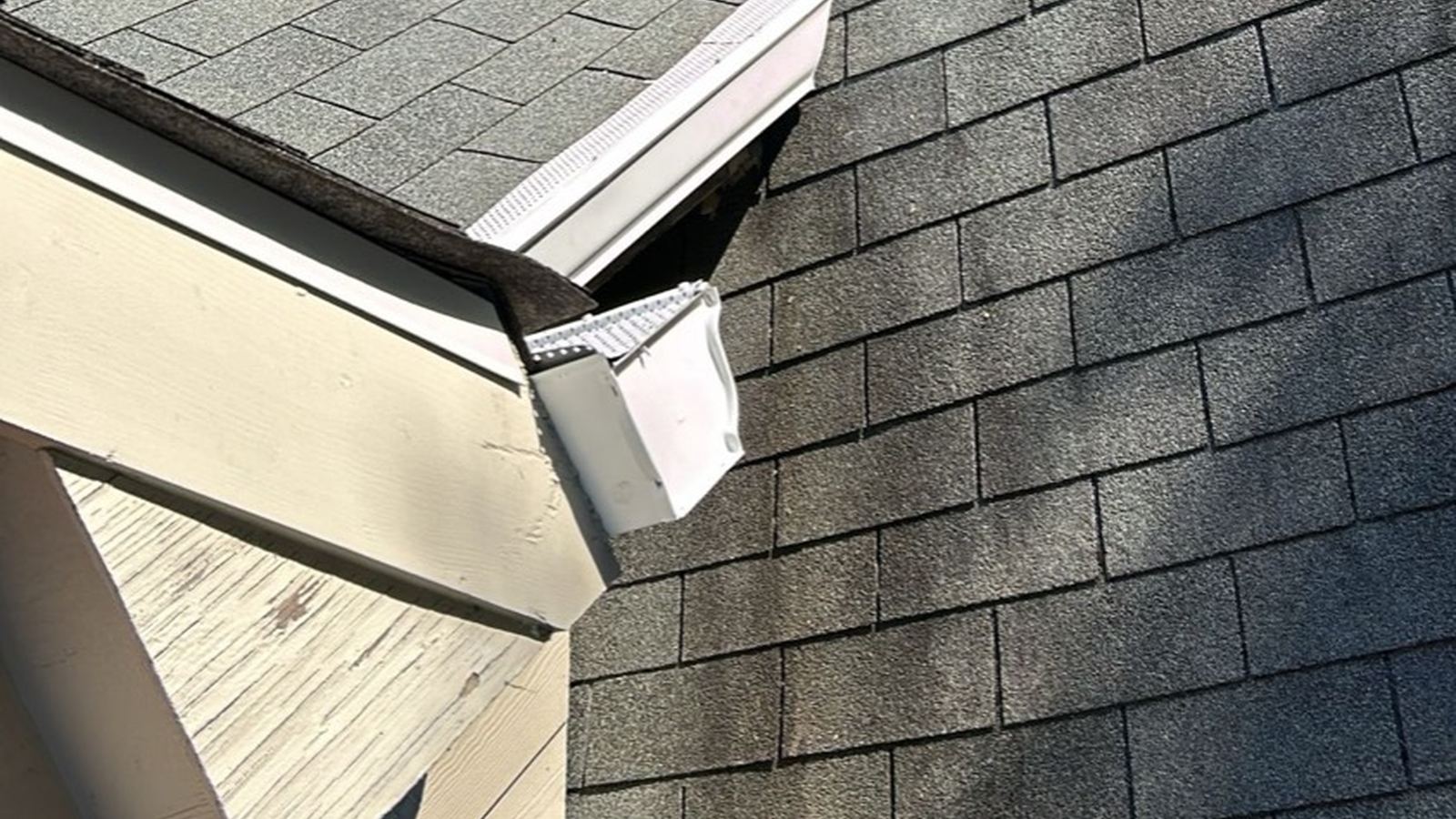
Gutters pulling away in heat happens when the expansion process stresses the mounting hardware. The constant shifting wiggles the spikes or screws loose from the wooden fascia board. Once the fasteners loosen, the weight of the gutter pulls it forward. Hot weather gutter damage like this leaves a gap between the roof edge and the gutter, allowing rain to run behind the system and rot the fascia.
Sealant Cracking from UV Exposure
It is not just the temperature causing issues. Sun damage to gutters is a very real problem. Constant UV exposure degrades the chemical bonds in gutter caulk and sealants. UV damage to gutter sealant makes it dry out, turn brittle, and crack. Once the sealant loses its flexibility, it can no longer keep the seams watertight.
Downspouts Shifting from Expansion
The vertical pipes carrying water to the ground are also vulnerable. Downspout expansion in heat can cause the pipes to bow outward or break away from the wall straps. Hot weather downspout problems also occur at the elbows and connection points, where the shifting metal causes the sections to pop apart.
Why Heat Causes Gutter Damage
To stop these issues, it helps to understand exactly why heat is so destructive to your roofline drainage system.
Thermal Expansion and Contraction
Thermal expansion and contraction is a basic rule of physics. When materials get hot, their molecules move faster and take up more space. When they cool, they shrink back down. Your gutters are firmly attached to a wooden house that expands and contracts at a completely different rate. This difference in movement creates immense mechanical stress on the entire system.
Direct Sun Exposure on Metal Gutters
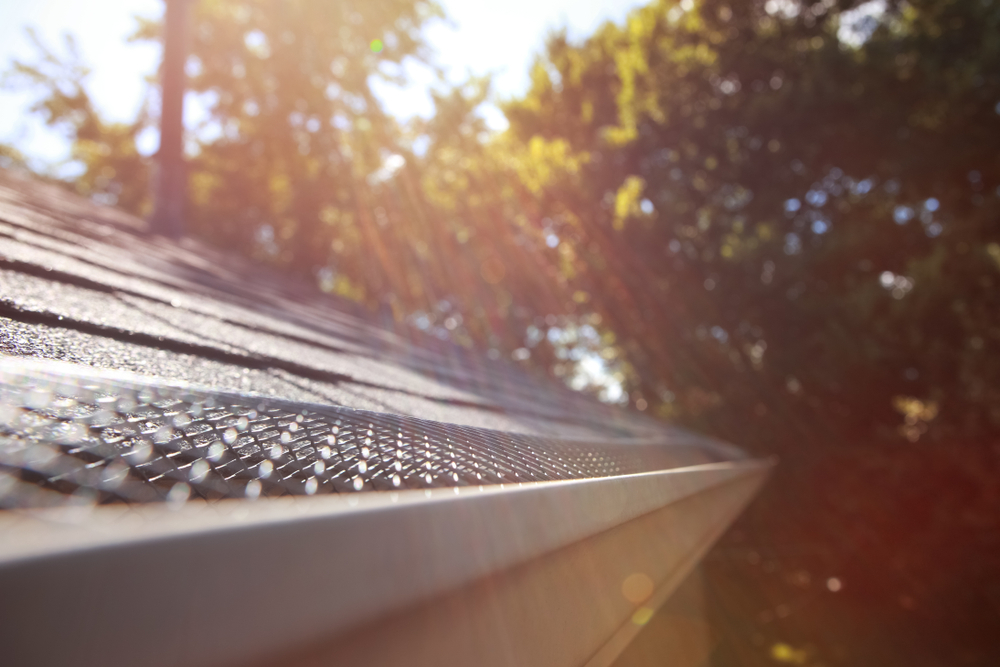
Metal is an excellent conductor of heat. Gutters located on the south and west sides of your home absorb the brunt of the afternoon sun. The metal heats up rapidly and retains that heat for hours. This concentrated heat bakes the sealant inside the trough and accelerates the thermal expansion process.
Weak Mounting Systems
The type of hardware holding your gutters up determines how well they survive the summer. Older gutter systems often use large spikes driven directly through the front of the metal into the wood. These spikes offer zero flexibility. When the gutter tries to expand, the spike acts as a rigid barrier, forcing the metal to warp or the spike to pull out.
Older Gutter Materials
Age plays a huge factor. A brand new gutter system has fresh, flexible sealant and tight, modern hangers. A system that is ten or fifteen years old has sealant that is already drying out and metal that has been stressed by thousands of heating and cooling cycles. Older materials simply lack the resilience to handle extreme summer heat.
Signs Heat Is Damaging Your Gutters
You do not need to climb a ladder to spot summer gutter problems. Walk around your home on a hot afternoon and look up at the roofline. Signs of heat damaged gutters include visible bowing or waviness along the front edge of the trough.
Look at the seams. If you can see daylight through the joints, or if dried caulk is hanging down, the seams have failed. Check the gaps between the back of the gutter and the fascia board. If the gutter tilts forward or you see the heads of the mounting spikes sticking out an inch or two, the system is pulling away.
Listen closely during the hottest part of the day. You might actually hear the metal popping or creaking as it expands against the hangers. Finally, look for water stains on your siding or foundation right below the gutter seams.
How to Prevent Heat Damage to Gutters
You cannot control the weather, but you can upgrade your system to handle it. Taking a proactive approach stops summer heat from destroying your rain management system.
Install Properly Spaced Hangers
Replacing outdated spikes with modern hidden hangers makes a huge difference. Hidden hangers screw securely into the fascia board and clip over the lip of the gutter. They allow the metal to slide slightly back and forth as it expands and contracts, reducing the stress that causes warping.
Use Seamless Gutters
Seamless gutters handle heat expansion much better than sectional gutters. Because they are custom-cut from one continuous piece of metal, there are no seams along the main run to pull apart. Seamless gutters in heat expansion scenarios still move, but without the weak points of spliced joints, the risk of leaks drops drastically.
Inspect Sealant and Joints
If you have sectional gutters, routine maintenance is mandatory. Have a professional scrape out the old, sun-baked caulk and apply a high-quality, UV-resistant polyurethane sealant. Fresh, flexible sealant stretches with the metal instead of cracking.
Reinforce Gutter Mounting
If your gutters are starting to pull away but are otherwise in good shape, reinforce them. A contractor can install new, heavy-duty screws and add extra hangers to distribute the weight and control the expansion more effectively.
Schedule Summer Gutter Inspection
Do not wait until the fall leaves drop to check your gutters. A mid-summer inspection catches warped sections and failing seams before the heavy late-summer thunderstorms arrive.
Does Heat Affect Different Gutter Materials?
The material your gutters are made from dictates exactly how they will react to the summer sun.
Aluminum Gutters in Hot Weather
Aluminum is the most popular gutter material. It is lightweight and rust-proof. However, aluminum gutters in hot weather expand significantly. Because the metal is relatively thin, it heats up and cools down very fast. This makes it prone to pulling out fasteners if the hangers are spaced too far apart.
Vinyl Gutters and Heat Warping
Vinyl is essentially plastic, making it highly vulnerable to extreme heat. Vinyl gutters and heat warping go hand-in-hand. Under intense UV rays, vinyl softens, sags, and permanently bows. Over time, the sun also makes the plastic brittle, leading to cracks during sudden temperature changes.
Steel Gutters and Expansion
Galvanized steel is much stronger than aluminum or vinyl. It holds its shape better and has a lower rate of thermal expansion. However, steel gutters and expansion still cause problems at the seams. If the movement breaks the sealant and exposes the raw edges of the steel, the joints will quickly begin to rust.
Copper Gutters and Temperature Changes
Copper is a premium material that lasts decades, but it still reacts to heat. Copper gutters and temperature changes require specialized installation techniques. Contractors must install expansion joints on long runs of copper to give the metal room to stretch without tearing the soldered seams apart.
When Heat Damage Requires Gutter Repair
Knowing when to fix the issue prevents structural damage to your roof and foundation. You need summer gutter repair if you notice water pouring behind the gutters, completely separated seams, or sections that are severely sagging.
If the metal is permanently creased or buckled, repair heat damaged gutters by cutting out the ruined section and replacing it. Do not attempt to bend warped aluminum back into shape; the metal is already fatigued and will never hold the proper slope again.
Professional Help for Heat Damaged Gutters
Summer heat gutter damage is a serious issue that compromises your home’s defense against water. Dealing with warped troughs, failing sealants, and loose brackets requires professional knowledge and the right materials.
At Top Rated Gutters, we understand exactly how the climate affects your exterior. Our team provides expert gutter repair, seamless gutter installation, and heavy-duty hanger reinforcement designed to withstand extreme thermal expansion. Do not wait for the next storm to reveal your hot weather gutter problems. Contact Top Rated Gutters today to schedule an inspection and ensure your rain management system is ready for whatever the season brings.
< Previous Next >

Written by
Scott Specker
Owner · Northeast Georgia
Owner of Top Rated Gutters of Northeast Georgia, serving Cumming, Alpharetta and surrounding communities.