Cincinnati winters bring a unique kind of beauty, with snow-dusted streets and cozy evenings by the fire. But for your home’s exterior, this season can be incredibly harsh. Your gutter system, in particular, takes a significant beating from the relentless combination of heavy snow, ice accumulation, and fluctuating temperatures. When left unchecked, this seasonal stress can lead to costly water damage, foundation issues, and a compromised roofline.
Understanding how winter weather affects your gutters is the first step toward protecting your home. From the weight of ice dams to the expansion and contraction caused by freeze-thaw cycles, the risks are numerous. This guide will walk you through the specific ways Cincinnati winters damage gutters and provide actionable steps you can take to prevent these problems. With the right preparation and maintenance, you can ensure your gutter system remains effective and your home stays safe and dry all year long.
The Weight of Winter: Heavy Snow and Ice Buildup
One of the most direct threats to your gutters during a Cincinnati winter is the sheer weight of accumulated snow and ice. Gutters are designed to channel liquid water away from your home, not support hundreds of pounds of frozen precipitation. When they are overloaded, a cascade of problems can begin.
How Snow and Ice Cause Damage
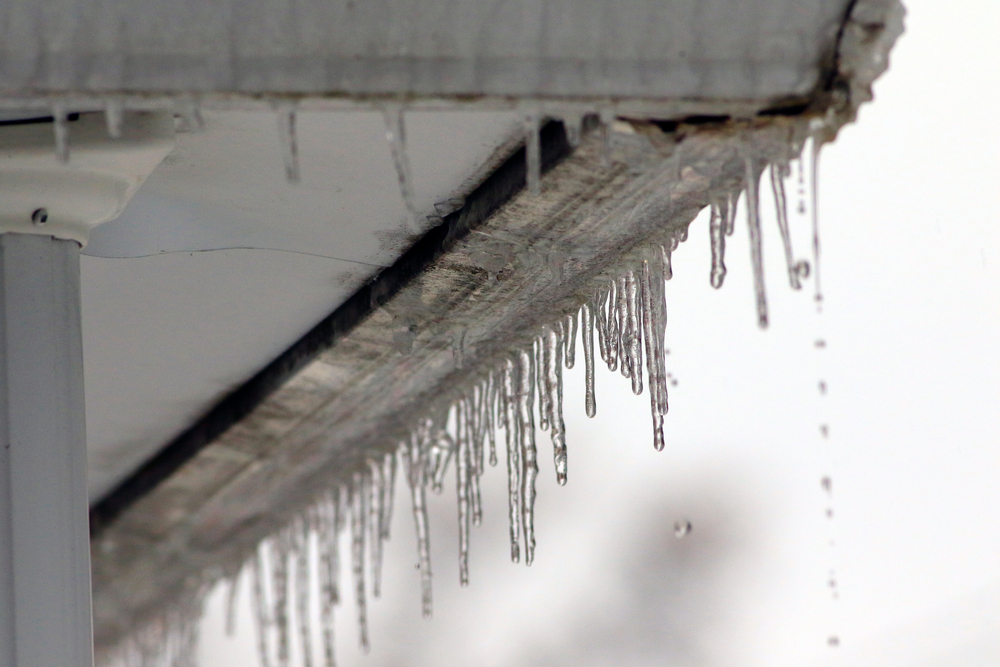
When a heavy snowfall blankets your roof, it eventually begins to melt, either from sun exposure or heat escaping from your attic. This meltwater flows down into your gutters. However, if the ambient temperature is at or below freezing, the water refreezes upon contact with the cold aluminum or vinyl of the gutter trough. This process creates a solid block of ice, often starting in the gutters and creeping up the edge of your roof to form an ice dam.
This accumulation leads to several types of damage:
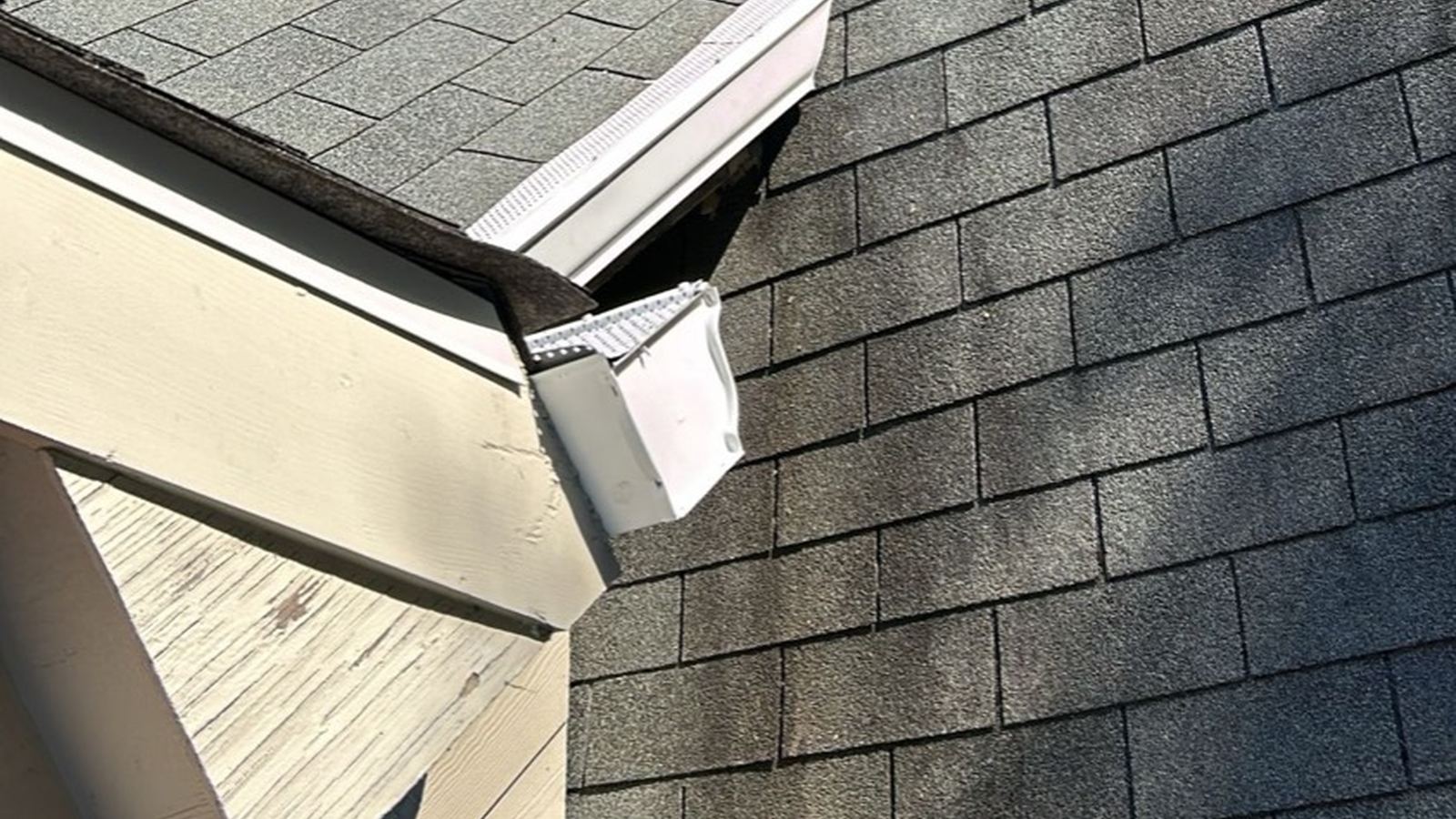
- Gutter Sagging and Detachment: The immense weight of solid ice can cause your gutters to sag, bend, or pull away from the fascia board they are attached to. The hangers and fasteners that hold the system in place can be ripped out, leaving your gutters dangling or causing them to collapse entirely.
- Fascia and Soffit Rot: As gutters pull away, they expose the wooden fascia boards behind them to moisture. This constant exposure leads to wood rot, which can compromise the structural integrity of your roofline. Damaged fascia boards can no longer provide a secure anchor for your gutters, creating a vicious cycle of damage.
- Cracked and Split Gutters: Water expands by about 9% when it freezes. If water is trapped in your gutters and downspouts, this expansion can exert enough force to split seams, crack vinyl gutters, or even burst metal ones. These cracks and splits render your gutter system useless, allowing water to leak directly onto your foundation and siding.
For homeowners in areas like Liberty Township , where winter weather can be particularly intense, ensuring your gutters are clear before the first freeze is a critical preventive step.
The Freeze-Thaw Cycle: A Silent Destroyer
Cincinnati’s winter weather is rarely consistent. It’s common to experience days where the temperature rises above freezing, only to plummet again at night. This fluctuation, known as the freeze-thaw cycle, is one of the most insidious sources of gutter damage.
The Mechanics of Freeze-Thaw Damage
The process is simple but destructive. During a warmer, sunny winter day, snow and ice on your roof melt, and the water flows into your gutters as intended. But when temperatures drop overnight, this water freezes solid inside the troughs and downspouts. As the ice expands, it places significant stress on the gutter material and its seams. The next day, the ice may partially melt, only to refreeze again the following night.
This repeated cycle of expansion and contraction causes a variety of issues:
- Weakened Seams and Joints: Sectional gutters, which are held together with sealant at the joints, are particularly vulnerable. The constant expansion and contraction of ice can break these seals, creating persistent leaks. Once a seal is broken, water can drip down, eroding landscaping, staining siding, and pooling around your foundation.
- Loose Hangers and Fasteners: The force of expanding ice can gradually push fasteners and hangers out of the fascia board. You may notice that your gutters appear wavy or have sections that droop. These loose sections are not only ineffective but are also at a higher risk of collapsing under the weight of the next heavy snowfall or ice storm. Residents in communities with older homes, such as Mariemont , should pay close attention to the integrity of their gutter fasteners.
- Material Fatigue and Cracking: Over time, the constant stress from freeze-thaw cycles can cause the gutter material itself to become brittle and crack. This is especially true for older vinyl gutters, which can become fragile in cold temperatures. Aluminum gutters can also develop stress fractures that lead to leaks.
A well-maintained gutter system is your best defense. If you notice signs of damage, seeking professional gutter services in Blue Ash or your local area can prevent small issues from turning into major repairs.
Ice Dams: A Threat to Your Roof and Gutters
Ice dams are thick ridges of ice that form along the eaves of a house. They are a clear sign that your roof and gutter system are not functioning correctly during the winter. Ice dams prevent melting snow from draining off the roof, forcing the water to back up and potentially leak into your home.
How Ice Dams Form and Cause Problems
Ice dams are created by a combination of heavy snowfall, heat loss from the home, and freezing outdoor temperatures. Here’s how it happens:
- Heat from your home’s living space rises into the attic.
- If the attic is poorly insulated or ventilated, it warms the underside of the roof deck.
- This warmth melts the snow on the roof from the bottom up.
- The meltwater runs down the roof until it reaches the cold eaves and gutters, which are not warmed by attic heat.
- The water refreezes, creating a “dam” of ice.
As this dam grows, it traps more melting snow behind it. This standing water has nowhere to go but up, and it can work its way under your roof shingles. Once inside, it can cause:
- Roof Damage: Trapped water can rot the roof decking and rafters, leading to serious structural issues.
- Interior Water Damage: Water can leak into your attic and seep down into your ceilings and walls, causing stains, peeling paint, and mold growth.
- Gutter Destruction: The immense weight of the ice dam itself can bend, break, or tear gutters from the fascia. When the dam eventually melts and breaks free, it can fall in large chunks, taking sections of your gutter system with it.
Preventing ice dams often involves addressing attic insulation and ventilation issues, but a functional gutter system is also a key component. Ensuring your gutters are free of debris allows meltwater to drain away quickly before it has a chance to freeze at the roof’s edge. Homeowners in hilly or tree-dense areas like Indian Hill often face challenges with both leaf debris and harsh winter conditions, making proactive maintenance essential.
Prevention Is Key: How to Protect Your Gutters This Winter
The damage caused by Cincinnati winters can be severe, but it is largely preventable. By taking proactive steps before the first freeze, you can safeguard your gutters and protect your home from water damage.
1. Perform a Thorough Fall Cleaning
The most important step you can take is to clean your gutters thoroughly after the leaves have fallen. Clogged gutters are the primary catalyst for winter gutter problems. When gutters are filled with leaves, twigs, and other debris, they cannot drain properly. Water gets trapped, and when it freezes, it forms a solid, heavy block of ice that can cause all the issues mentioned above.
A fall cleaning ensures that any water from melting snow or winter rain can flow freely through the gutters and downspouts, away from your home. This simple act prevents the initial buildup that leads to ice dams and freeze-thaw damage. While cleaning gutters yourself is an option, it can be dangerous. Professional gutter services, like those offered in Maineville , can handle the job safely and efficiently.
2. Inspect for and Repair Existing Damage
Before winter arrives, conduct a detailed inspection of your entire gutter system. Look for:
- Leaks and Drips: Check seams and end caps for any signs of leakage.
- Sagging or Pulling Away: Look for sections that are drooping or have gaps between the gutter and the fascia board.
- Rust or Corrosion: Inspect metal gutters for signs of rust, which can lead to holes.
- Cracks or Holes: Carefully check for any visible cracks, especially in vinyl gutters.
- Loose Hangers: Ensure all fasteners are securely attached to the fascia.
Addressing these minor issues in the fall is far easier and less expensive than dealing with a collapsed gutter in the middle of January. If you discover significant problems, it may be time to consider professional repairs. Experts in areas like Milford can assess the damage and recommend the best course of action.
3. Ensure Proper Downspout Function
Your downspouts are the exit route for all the water your gutters collect. If they are clogged or improperly placed, the entire system will fail. Make sure your downspouts are completely clear of debris. You can flush them with a hose to check for blockages.
Additionally, ensure that the downspouts direct water at least five to ten feet away from your home’s foundation. Use splash blocks or downspout extenders to guide the water to a sloped area where it can drain away harmlessly. This is especially important in a place like Cincinnati, where improper drainage can lead to water in the basement or crawl space, a problem that is compounded by frozen ground in the winter. For homes on varied landscapes, like those in Terrace Park , strategic downspout placement is critical.
4. Install High-Quality Gutter Guards
For a long-term solution that dramatically reduces winter risks, consider installing gutter guards. These systems cover your gutters, allowing water to enter while blocking leaves, pine needles, and other debris. By keeping your gutters clear year-round, gutter guards are highly effective at preventing the clogs that lead to ice buildup and ice dams.
Not all gutter guards are created equal. For Cincinnati’s climate, it’s best to choose a durable, high-quality system that can handle heavy rainfall and resist snow and ice accumulation. While some cheaper screen-style guards can actually worsen ice dams by allowing ice to form on top of them, professional-grade systems are designed to promote water flow even in freezing conditions. A professional gutter installation in Mason can include fitting your home with the right type of gutter guards for our regional climate.
5. Consider Upgrading to Seamless Gutters
If you have older, sectional gutters that are constantly leaking or showing signs of wear, a winter-readiness project could be upgrading to a seamless gutter system. Seamless gutters are custom-fabricated on-site to fit the exact dimensions of your home. This design eliminates the numerous seams and joints found in traditional gutters, which are the most common failure points.
The benefits of seamless gutters are particularly noticeable in winter:
- No Weak Points: With no seams along the straight runs, there are far fewer places for leaks to develop due to the stress of the freeze-thaw cycle.
- Greater Strength: Seamless gutters are typically made from a thicker gauge of aluminum and are installed with heavy-duty hangers, making them more resistant to sagging under the weight of snow and ice.
- Improved Aesthetics: They offer a clean, streamlined look that enhances your home’s curb appeal.
Investing in a new gutter installation in Kenwood or surrounding neighborhoods can be a smart, long-term solution to prevent winter damage for years to come.
6. Improve Attic Insulation and Ventilation
As mentioned, ice dams are often a symptom of a warm attic. If you consistently struggle with ice dams despite having clean gutters, it’s wise to have a professional assess your attic’s insulation and ventilation.
- Insulation: Proper insulation on the attic floor prevents warm air from the living space below from rising and heating the roof.
- Ventilation: Soffit and ridge vents work together to create a continuous flow of cold, outdoor air through the attic. This keeps the roof deck cold, preventing snow from melting in the first place.
Correcting these issues not only protects your roof and gutters but also improves your home’s energy efficiency, lowering your heating bills. This whole-house approach is the most effective way to eliminate ice dams permanently. Many homeowners from South Lebanon to Northern Kentucky have found that a combination of attic improvements and gutter maintenance is the ultimate solution.
Your Partner in Gutter Protection
The winter weather in Cincinnati poses a real threat to your gutter system. The heavy weight of snow and ice, the destructive force of the freeze-thaw cycle, and the formation of ice dams can lead to sagging, leaking, and collapsed gutters, with collateral damage to your roof, siding, and foundation.
However, with proactive maintenance and smart investments, you can fortify your home against these seasonal challenges. A commitment to fall cleaning, regular inspections, and ensuring proper drainage is your first line of defense. For more robust, long-term protection, upgrading to seamless gutters and installing high-quality gutter guards can provide peace of mind for many winters to come. Whether you need routine gutter services in Loveland or a complete gutter installation in Lebanon , professionals are available to help you prepare.
Don’t wait for a winter disaster to strike. Take action this fall to ensure your gutters are ready to handle whatever the season throws at them. A little bit of prevention goes a long way in protecting your most valuable asset. From Beechmont to Landon , and across the greater Cincinnati area including Montgomery , a well-maintained gutter system is a homeowner’s best friend.
< Previous Next >Fix It Now, or Wait for Spring?
Cincinnati homeowners who find winter damage in January usually ask the same question: is this an emergency, or can it wait until the weather breaks? The answer depends entirely on whether water is currently being directed somewhere it should not go.
Wait for spring when the damage is cosmetic or contained: a dented section that still drains, a bent hanger on a run that is otherwise level, a detached downspout strap on a downspout that still discharges away from the house. None of these get meaningfully worse in six weeks, and installation work is easier, safer and often better priced once the freeze-thaw season has passed.
Do not wait when water is actively going the wrong way. A separated seam or a pulled-away section above a doorway, over a walkway, or anywhere it discharges against the foundation is doing damage every time it rains or thaws. Freeze-thaw makes this compounding rather than static: water gets into a joint, freezes, widens it, and returns to a wider joint on the next cycle. A gutter that is holding standing water because it has lost its pitch is in the same category, because that water freezes as a solid mass and the weight pulls the run further off the fascia.
The genuine middle case is a gutter that is full of ice. Chipping it out does more damage than the ice does, and pulling a frozen gutter off the house to "fix" it in February is how a repair becomes a replacement. The right move there is usually to relieve the immediate water path, leave the ice alone, and book the repair for the thaw.

Written by
Colin Nellis
Owner · Cincinnati, OH
Owner of Top Rated Gutters of Cincinnati, with a career built in home improvement on honest, high-quality service.