Your gutters play a critical role in protecting your home from water damage. They direct rainwater away from your roof, siding, and foundation. But if your current system is failing, or if you are building a new house, you might be wondering about the right timing for a replacement.
Timing your installation correctly can save you money, prevent severe structural issues, and ensure a smooth process with your contractor. Weather, seasonal demand, and the current condition of your home all factor into the best time to install gutters. We see homeowners delay the process too long, resulting in flooded basements and rotted fascia boards. To help you avoid those costly repairs, let’s look at the optimal timing for your new drainage system.
What Is the Best Time of Year to Install Gutters?
The best time to install gutters is usually during the late summer or early fall. During these months, the weather is typically dry and predictable, allowing crews to work safely and efficiently. Installing during this window ensures your home is fully protected before the heavy autumn leaves fall and the harsh winter weather arrives.
However, the reality is that when to install gutters often depends on your specific situation. The best season for gutter installation might be right now if your current system is actively leaking and causing foundation damage. While some seasons offer more ideal weather conditions, professional contractors can work year-round as long as the weather is safe. If you are trying to decide when should gutters be installed, evaluate the current state of your system first. Sometimes the best month to install gutters is simply the month before your local rainy season begins.
Spring Gutter Installation: Pros and Cons
Spring brings heavy showers and melting snow. Naturally, this is when many homeowners realize their old system is failing.
Pros of spring gutter installation:
- You fix leaks early in the year, preventing water damage during the heavy spring rains.
- It protects your landscaping from being washed out by roof runoff during spring storms.
- You start the wettest season of the year with a fully functional drainage system.
Cons of spring gutter replacement:
- Rain delays are common. Contractors cannot safely install gutters in the middle of a thunderstorm or heavy downpour.
- Spring is a busy season for exterior home improvements, meaning you might have to wait a few weeks for an appointment.
If you plan to install gutters in spring, get on a contractor’s schedule early. A proactive approach ensures your home is ready for the unpredictable weather ahead.
Summer Gutter Installation: Pros and Cons
Summer is one of the most reliable times of the year for exterior work. The days are long, the weather is mostly dry, and contractors can complete jobs without constant weather interruptions.
Pros of summer gutter installation:
- Predictable weather means fewer rescheduling issues and faster project completion times.
- It gives you ample time to prepare your home’s exterior before the demanding fall and winter seasons.
- Roofing materials and fascia boards are dry, making it easier to spot and repair existing wood rot before the new gutters go up.
Cons to consider:
- Extreme heat waves can be dangerous for crews working near hot rooflines, occasionally requiring jobs to be shifted to the early morning hours.
Overall, the best time summer gutters can be installed is mid-summer, before the late-summer storm season kicks in.
Fall Gutter Installation: Pros and Cons
Fall is widely considered the peak season for home exterior projects. Homeowners are rushing to prepare their properties for freezing temperatures and heavy snow.
Pros of fall gutter installation:
- You can install gutters before winter, ensuring ice and snow melt will be channeled away from your foundation.
- It provides a fresh, debris-free system right as the trees start dropping their leaves.
- Autumn weather is generally mild and comfortable for installation crews.
Cons of autumn gutter installation:
- This is the busiest time of year for gutter contractors. Schedules fill up quickly.
- If you wait too late into the fall, early freezing temperatures or unexpected snowstorms can delay the project.
If you want a fall installation, do not wait until November to call a professional. Reach out in late summer to secure your spot.
Winter Gutter Installation: Is It Possible?
Many homeowners assume gutter work stops completely when the snow flies. While it is undoubtedly more challenging, winter gutter installation is possible in many regions.
Pros of cold weather gutter installation:
- Contractors often have more flexible schedules during the winter months.
- You might find off-season pricing or special promotions depending on the company.
Cons to install gutters in winter:
- Ice, snow, and freezing rain create hazardous working conditions. Contractors cannot safely operate on icy roofs or ladders.
- Some sealants and caulking require moderate temperatures to cure properly. Working in sub-zero temperatures can compromise the integrity of the seams and corners.
If you need a winter replacement because your gutters collapsed under heavy ice, a contractor will work with you to find a safe, dry window to get the job done.
Best Time to Install Gutters Before Rainy Season
If you live in an area prone to severe storms, the most critical timing factor is beating the weather. You want to install gutters before the rainy season begins in earnest.
When you install gutters before the rain, you protect your home’s foundation from hydrostatic pressure. Water pooling around your foundation during a week-long downpour will eventually find its way into your basement or crawlspace. The ideal time for new gutters before storm season is at least one month prior to your region’s historical wettest month. This gives you plenty of time to get on a contractor’s schedule and complete the project before the first major storm hits.
When You Should Install Gutters Immediately
Sometimes, the calendar does not matter. If your home is actively taking on damage, you need an urgent gutter installation . Recognizing the signs you need new gutters can save you thousands of dollars in structural repairs. Do not wait for a preferred season if you notice any of the following issues.
Sagging or Pulling Gutters
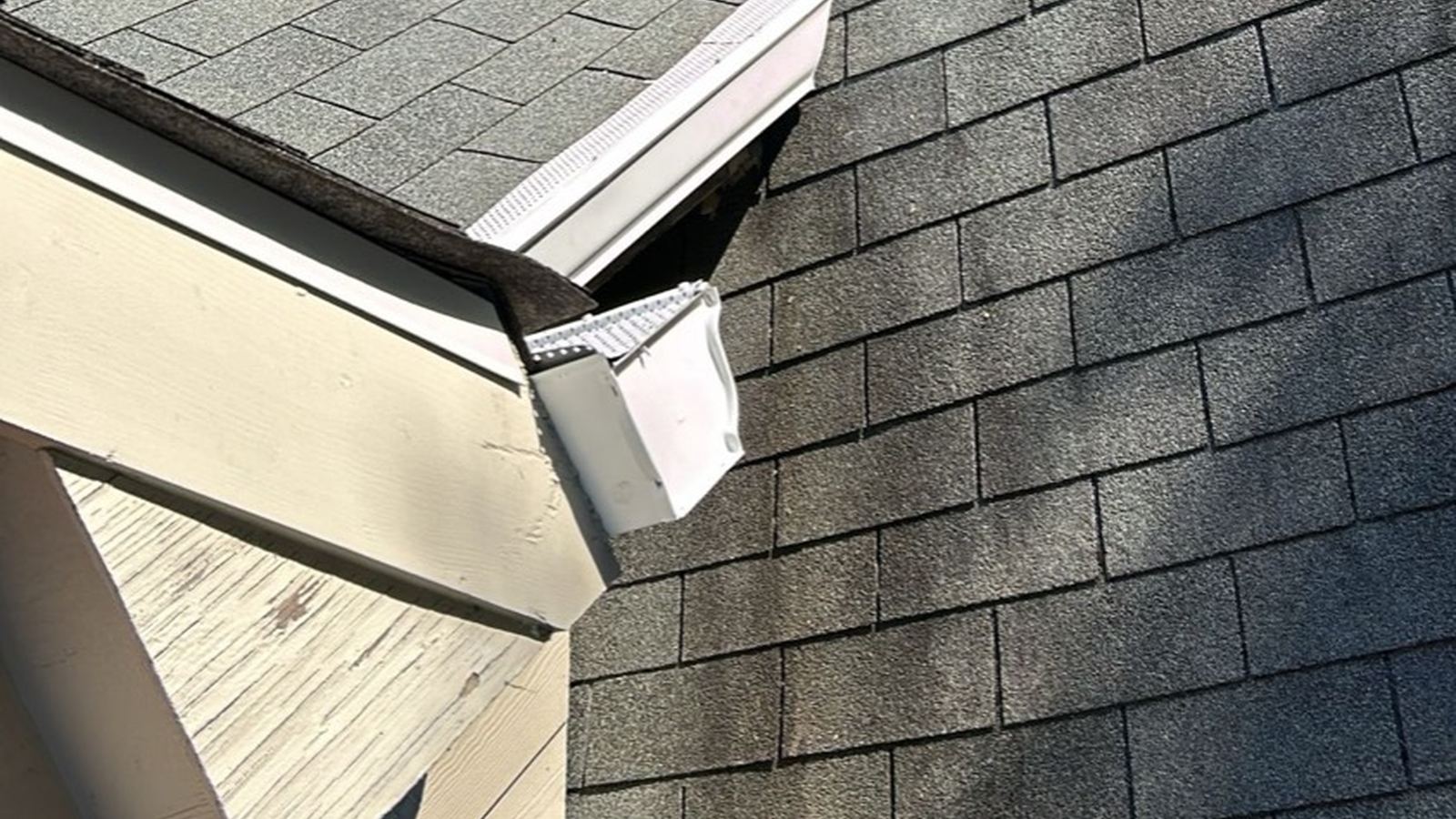
If your gutters are pulling away from the fascia board or sagging in the middle, they are no longer functioning. This usually happens because the spikes have loosened or the wood behind the gutter has rotted. Once they pull away, water simply runs behind the gutter and down your siding. This requires immediate replacement.
Water Around Foundation
Gutters exist to move water away from your house. If you see large puddles or trenches forming in the soil directly against your foundation, your gutters are failing. Prolonged moisture around the foundation leads to cracking, settling, and severe structural failure.
Roof Runoff Damage
When water spills over the sides of a broken gutter, it destroys whatever is directly underneath. This includes washed-out garden beds, ruined landscaping, and damaged concrete walkways. If you notice a line of erosion directly under your roofline, it is time to replace your system.
Basement Moisture Issues
A damp basement, water stains on the walls, or a constant musty smell are often the direct result of poor exterior drainage. Before you spend money on expensive interior waterproofing, have a contractor check your gutters. When to replace gutters is often dictated by the condition of your basement.
Overflow During Rain
Step outside during a heavy rainstorm and look at your roofline. If water is cascading over the front edge of the gutters like a waterfall, the system is either severely clogged, improperly pitched, or too small for your roof size. If a thorough cleaning does not fix the overflow, immediate installation of a larger, properly pitched system is necessary.
Best Time to Install Gutters on a New Home
If you are building a house, coordinating contractor schedules is a delicate balancing act. The best time to install gutters on new construction is immediately after the roof is completely finished and the exterior painting or siding is complete.
You must install gutters after the roof so the gutter team can properly align the pitch and catch the runoff from the newly laid shingles. Furthermore, new home gutter installation should always happen before the final landscaping is put in. If you plant expensive shrubs and lay down sod without gutters in place, the first heavy rain will wash all your new landscaping away.
Does Weather Affect Gutter Installation?
Yes, weather significantly impacts a contractor’s ability to work. Rain gutter installation weather requires dry, relatively calm conditions.
Can gutters be installed in the rain? Generally, no. Heavy rain makes ladders slippery, roof edges dangerous, and prevents the necessary silicone sealants from drying. High winds are also a major hazard, especially when contractors are handling long sections of aluminum. Furthermore, extreme cold gutter installation temperatures can make metal brittle and prevent caulking from setting properly. Always expect minor scheduling shifts if severe weather rolls in.
How Far in Advance Should You Schedule Gutter Installation?
Because weather can cause unexpected delays, you should factor lead times into your planning. When you decide to schedule gutter installation, expect to wait anywhere from two to six weeks for the work to begin.
During the busy fall season, gutter installation availability becomes scarce, and lead times can stretch longer. In the quieter winter or mid-summer months, you might get an appointment within a week or two. If you know you need a replacement before winter, call your contractor in August. If you want to know more about the actual time on-site, read our guide on how long does gutter installation take.
Why Waiting Too Long to Install Gutters Can Cause Damage
Delaying a necessary gutter replacement is a gamble with your home’s structural integrity. Gutters are relatively inexpensive compared to the massive repair bills caused by water damage.
When water pours over failing gutters, it rots the wooden fascia boards holding the roof together. It seeps behind your siding, causing mold growth inside your walls. Most destructively, it saturates the ground around your home, creating hydrostatic pressure that cracks concrete foundations. Understanding gutter installation vs replacement is important, but taking timely action is what ultimately protects your investment.
Best Time to Install Seamless Gutters
Seamless gutters are custom-measured and cut on-site using a specialized machine. Because they have no seams except at the corners, they are highly resistant to leaks. The best time to install seamless gutters aligns closely with standard installations, late summer or early fall.
However, the seamless gutter installation season can be slightly more sensitive to extreme cold. The metal forming machines run best in moderate temperatures, and the heavy-duty sealants used on the corners require dry conditions to cure correctly. If you are scheduling a seamless gutter installation , aim for a season with dry, mild weather to ensure the tightest possible seals.
Best Time to Install Gutters FAQs
Should gutters be installed before winter?
Yes. Installing gutters before winter is highly recommended. Properly functioning gutters direct freezing rain and melting snow away from your home, preventing dangerous ice patches on your walkways and defending against foundation frost heave.
Is spring a good time to install gutters?
Spring is a great time for installation. Getting a new system in place early in the year protects your home from heavy spring rainstorms and prepares your property for the rest of the wet season.
Can gutters be installed in winter?
Yes, contractors can install gutters in the winter, provided there is no active precipitation and the roof edges are free of ice. However, extreme sub-zero temperatures can sometimes interfere with sealants curing properly.
When should gutters be installed on new homes?
Gutters should be installed on a new home after the roofing, siding, and exterior painting are entirely finished, but before the final ground landscaping is planted. This protects the new soil and plants from being washed away by roof runoff.
How long does gutter installation take?
Most standard residential gutter installation jobs are completed in a single day. Larger homes, steep custom roofs, or houses requiring extensive fascia board repairs might push the project into a second day.
Should I replace gutters before rainy season?
Absolutely. Replacing your gutters before the rainy season ensures your home can handle heavy downpours without water backing up into your roof or overflowing into your foundation. If you are worried about the investment, reviewing the gutter installation cost now is much better than paying for foundation repair later.
Booking a professional gutter installation at the right time ensures your home stays dry, safe, and structurally sound year-round. Don’t wait for a flooded basement to make the call.
< Previous Next >

Written by
Anthony Kulikowski
Owner · South Bend, IN
Owner of Top Rated Gutters of South Bend, with 25+ years serving Indiana homeowners.