Many people use the terms “gutter installation” and “gutter replacement” interchangeably. If you call a contractor and ask for one, they will usually understand what you mean. However, from a contractor’s perspective, these are two distinct jobs with different timelines, labor requirements, and costs.
Understanding the distinction helps you know exactly what you are paying for and what to expect on the day the crew arrives. Installing gutters means working with a blank canvas, while replacing them involves removing an old, failing system before the new materials can go up.
If you are trying to figure out the right move for your home’s exterior, knowing the difference will help you set the right budget and hire the right team for the job.
Gutter Installation vs Replacement: Quick Comparison
The main difference between gutter installation vs replacement comes down to the starting point.
Gutter installation happens on a home that currently has no gutters at all. The fascia board is bare. The crew measures the roofline, fabricates the material, and mounts the new system directly to the wood.
Gutter replacement involves an existing drainage system that has reached the end of its lifespan. The crew must first detach the old gutters and downspouts, inspect the fascia board for hidden rot or water damage, dispose of the old materials, and then proceed with the installation of the new system.
Choosing between new gutter installation vs replacement simply depends on what is currently hanging on your roofline.
What Is Gutter Installation?
Gutter installation refers to the process of putting a brand new drainage system on a property that does not currently have one.
In the industry, new gutter installation is often considered a “clean” job. The crew does not have to deal with rusty screws, caulking that has hardened over decades, or hauling away heavy, waterlogged debris. They arrive, measure the roofline, run the metal through a seamless gutter machine, pitch the gutters for proper water flow, and secure them to the fascia.
Because there is no tear-down phase, professional gutter installation is highly efficient. The primary focus is simply designing the right layout and installing new gutters that will protect the foundation from day one.
What Is Gutter Replacement?
Gutter replacement is the process of removing an old, damaged, or ineffective drainage system and putting a new one in its place.
Replacing gutters requires more labor than a standard installation. Old systems are often filled with wet leaves, shingle grit, and standing water. The crew must carefully remove the old brackets without damaging the roof or fascia. Once the old system is down, the wood underneath is exposed. Contractors often find rotting fascia boards that need to be repaired before the new gutters replacement can proceed.
After the prep work and disposal of the old materials are handled, the crew then moves on to installing the new system.
When You Need Gutter Installation Instead of Replacement
If your home falls into one of the following categories, you will be asking a contractor to install gutters rather than replace them.
New Home Construction
If you are building a custom house, installing gutters on a new home is one of the final steps of the exterior build. The roof is finished, the siding is up, and the fascia is freshly painted. Contractors can easily map out the best downspout locations to direct water away from your newly poured foundation.
No Existing Gutters
Some older homes, particularly in dry climates or areas with large roof overhangs, were built without gutters. If you are noticing foundation issues or trenching in your landscaping, you will need to install gutters on a house without gutters to prevent further erosion.
Adding Gutters for the First Time
You might have a detached garage, a new barn, or an expanded patio roof that never had a drainage system. Adding gutters to these secondary structures protects the concrete slabs and prevents water from splashing back onto the siding.
Upgrading From No Drainage System
Living without gutters leaves your home vulnerable to basement flooding and topsoil erosion. Upgrading from no drainage system means mapping out a complete custom setup. You will need a contractor to calculate the right gutter size and downspout capacity for your specific roof square footage, which factors into the overall new gutter installation cost.
When Gutter Replacement Is the Better Option
Gutters do not last forever. Even heavy-duty aluminum systems will eventually succumb to weather, debris, and gravity. Here are the clear signs you need gutter replacement.
Leaking Gutters
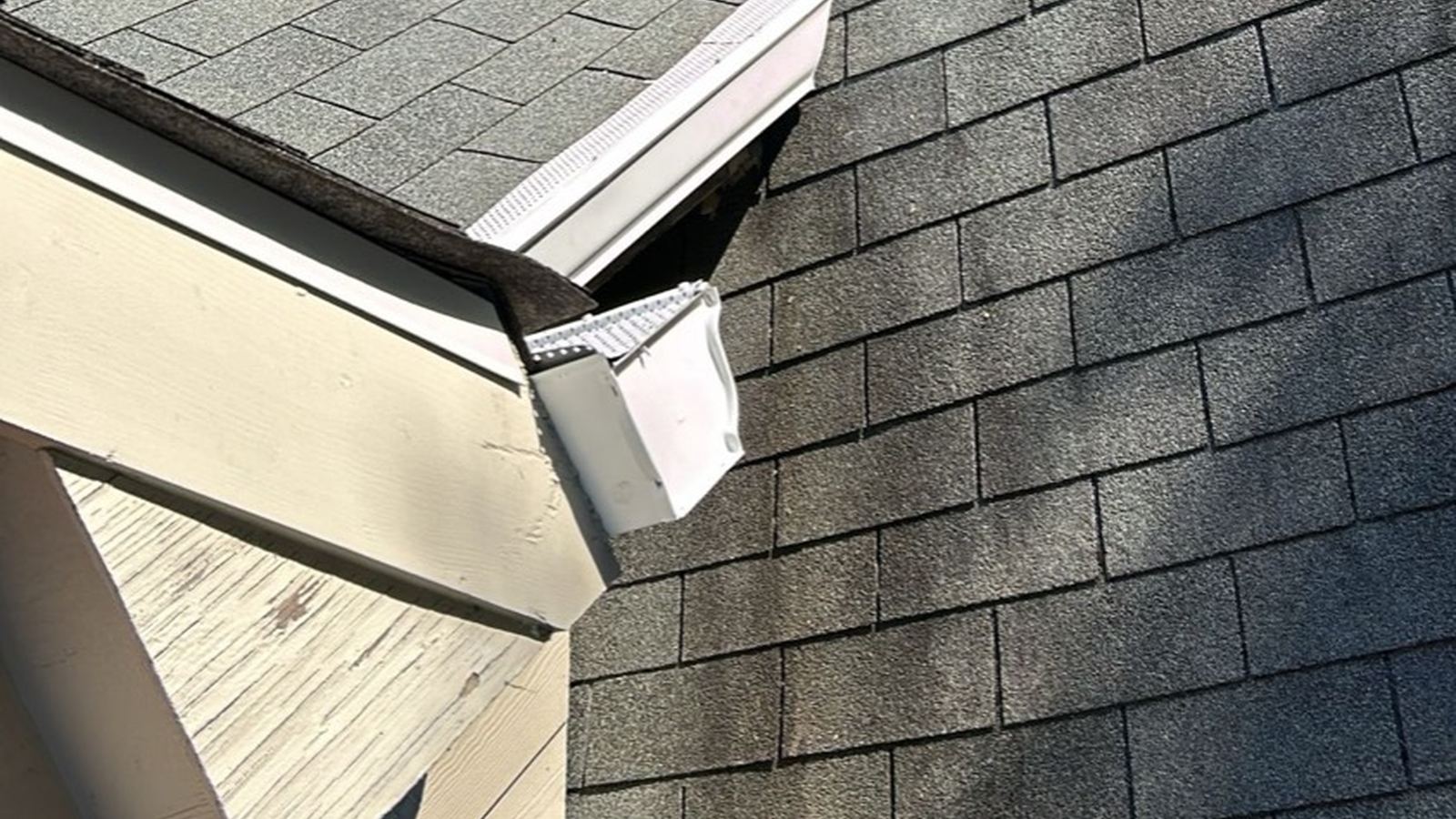
Water escaping through the seams, dripping behind the gutter, or leaking through rusted holes means the system is failing. While a single leak can sometimes be patched, widespread leaking indicates that the sealant has degraded and it is time to replace old gutters.
Sagging Gutters
Gutters should sit tight against the fascia board. If you see them pulling away or dipping in the middle, the spikes or brackets have failed. Sagging alters the pitch, preventing water from flowing toward the downspouts. Heavy snow, ice dams, and clogged leaves are the usual culprits.
Rust or Corrosion
Galvanized steel gutters will eventually rust. Once rust eats through the metal, structural integrity is lost. Replacing gutters with seamless aluminum is the industry standard to prevent future rust issues.
Water Damage Around Foundation
The entire purpose of a gutter system is to push water away from your foundation. If you notice pooling water, basement leaks, or cracked concrete near the base of your home, your current gutters are failing to do their job.
Frequent Clogs and Overflow
If water constantly spills over the front edge of your gutters during heavy rain, they are either severely clogged or undersized for your roof. If cleaning them out does not solve the overflow, you likely need to upgrade to a larger system. Deciding whether to replace gutters or repair them often comes down to capacity.
Cost Difference: Gutter Installation vs Replacement
The cost to install new gutters is generally lower per linear foot than the gutter replacement cost.
When contractors quote a gutter installation cost vs replacement, they factor in labor and disposal. With a replacement job, the crew spends extra time dismantling the old system, navigating around old roofing drip edges, and inspecting the wood. There is also a remove old gutters cost, which covers the labor of tearing them down and the dump fees required to haul away the scrap metal and debris.
If your fascia board is rotting behind the old gutters, repairing that wood will also add to the final replacement invoice.
Time Difference: Installation vs Replacement
Because there is no tear-down phase, a straight installation is faster. If you want to know how long does gutter installation take, an experienced crew can usually outfit an average-sized home in a few hours or half a day.
Gutter replacement time takes longer. Carefully removing old metal takes time, especially on a two-story home. If the crew discovers rotted fascia that needs replacing, the timeline extends further. Generally, expect a replacement job to take a full day for an average residential property.
Can You Replace Gutters Without Replacing Everything?
Homeowners often ask if they can do a partial gutter replacement. If a tree branch falls and crushes a 10-foot section on the back of your house, you can absolutely replace sections of gutters without tearing down the entire system.
However, making the repair vs replace gutters decision requires a close look at the existing system’s age. If the gutters are 20 years old, putting a brand new section next to old, fading, and leaking sections is just a temporary bandage. It is usually more cost-effective in the long run to replace the entire system at once rather than paying for multiple separate service calls.
Should You Upgrade When Replacing Gutters?
Tearing down an old system is the perfect opportunity to rethink your home’s drainage strategy. Do not just put the exact same product back up if the old one was failing.
Upgrade to Seamless Gutters
Older homes often have sectional gutters purchased from hardware stores. These have seams every 10 feet, and every seam is a potential leak. Seamless gutter replacement uses one continuous piece of aluminum custom-cut for each side of your house. Choosing to replace gutters with seamless materials is the best way to eliminate leaks.
Upgrade to Larger 6-inch Gutters
Most older systems use standard 5-inch gutters. If you experience heavy downpours or have a steep roof that sheds water quickly, 5-inch gutters will easily overflow. Upgrading to 6-inch gutters provides significantly more water capacity and prevents overshooting during severe storms.
Add Gutter Guards
If your old gutters failed because they were constantly packed with leaves and pine needles, installing gutter guards alongside your new system is a smart investment. Guards keep debris out, ensuring water flows freely and reducing the need for dangerous ladder work.
Improve Downspout Placement
Water pooling near your foundation means your old downspouts were likely in the wrong spots. When you upgrade gutters, the contractor can re-evaluate the pitch and move the downspouts to areas that offer better yard drainage.
Professional Gutter Installation vs DIY Replacement
It is tempting to look up DIY gutter replacement videos to save money. However, proper drainage requires exact precision.
Sectional gutters bought at a hardware store will eventually leak at the seams. Furthermore, pitching a gutter correctly, so water actually flows to the downspout rather than sitting stagnant, is a skill that takes years to master.
Professional gutter installation guarantees that the system is properly pitched, seamlessly fabricated on-site, and securely mounted to handle the weight of heavy water and ice. When you hire gutter installers, you also avoid the dangers of climbing tall ladders with sharp metal tools in your hands.
If you want peace of mind, always look for new gutter installation near me to find local, insured experts.
How to Decide Between Gutter Installation and Replacement
The decision is straightforward. If your home has a bare fascia board with no existing metal, you need an installation. If you currently have gutters that are leaking, rusting, or pulling away from the house, you need a replacement.
Top Rated Gutters provides honest assessments of your home’s exterior. We inspect your fascia, calculate your roof’s water volume, and recommend the exact seamless system required to keep your foundation dry.
Gutter Installation vs Replacement FAQs
Is gutter replacement the same as installation?
No. Installation involves putting new gutters on a bare roofline. Replacement involves tearing down, hauling away, and disposing of old gutters before the new ones can be installed.
Should I replace gutters or install new ones?
If you currently have no gutters, you must install new ones. If your current gutters are severely leaking, damaged, or rusting, you need to replace them.
Can you replace gutters without replacing fascia?
Yes, as long as the fascia board is solid and free of wood rot. A professional contractor will always inspect the fascia after removing the old gutters. If the wood is healthy, the new system can be mounted directly to it.
How often should gutters be replaced?
Aluminum gutters typically last 20 to 25 years. Galvanized steel may rust sooner. If you perform regular maintenance, your system will last longer, but eventually, weather and age will require a full replacement.
Is it cheaper to repair or replace gutters?
Repairing a single leak or reattaching a loose bracket is cheaper than a full replacement. However, if the system is old, constantly clogging, and leaking in multiple places, pouring money into repairs is a waste. Replacement is the better financial choice.
When should gutters be installed on a home?
Gutters should be installed immediately on new builds, or as soon as a homeowner notices foundation erosion, basement moisture, or siding damage on a home lacking a drainage system.
Making the Right Choice for Your Home’s Drainage
Understanding the mechanics behind your home’s exterior protects your property value and your peace of mind. A failing gutter system does more than look bad; it actively directs water toward your foundation, inviting costly structural damage.
Whether you need a fresh set of seamless aluminum on a new build or need to tear down a rusting, sagging system, the priority remains the same: move water away from your house efficiently. Evaluate your roofline, note where water pools during heavy rain, and contact a professional to secure your home’s defense against the elements.
< Previous Next >

Written by
Michael Nungesser
Owner · Central Georgia
Owner of Top Rated Gutters of Central Georgia with 20+ years in home improvement across the state.