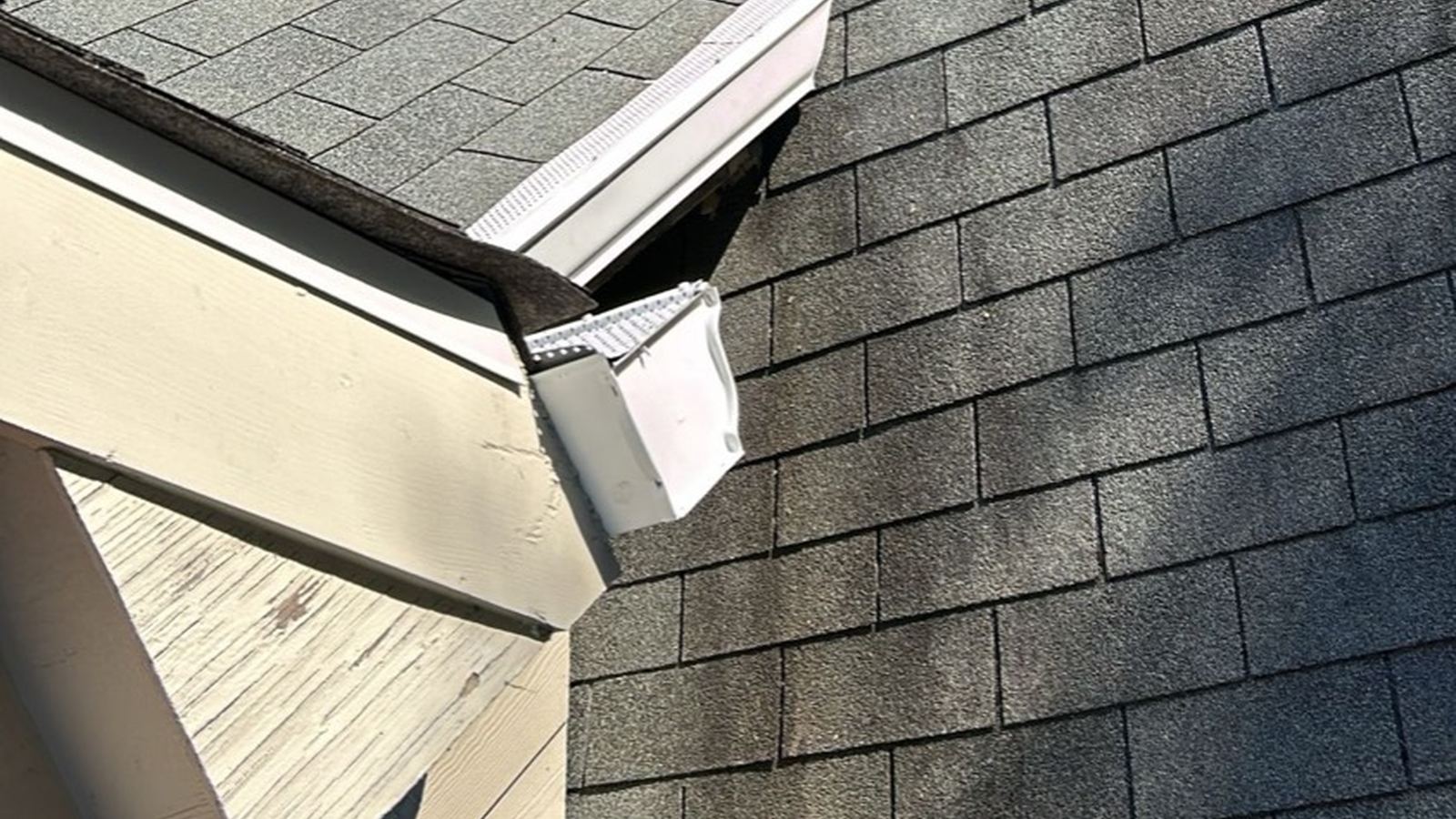

As the vibrant colors of autumn fade and a chill settles in the air, South Bend homeowners know what’s coming: a long, challenging winter. The region is known for its picturesque snowfalls, but with that beauty comes the harsh reality of lake-effect snow, freezing rain, and prolonged deep freezes. These conditions put every component of a home’s exterior to the test, and no system is more vulnerable than your gutters. An unprepared gutter system is a liability, setting the stage for destructive ice dams, foundation damage, and costly water infiltration.
Proper preparation is not just a recommendation; it is an essential part of responsible homeownership in Northern Indiana. Failing to prepare your gutters for winter is like heading into a blizzard without a coat. The risks are significant, but the good news is that they are also largely preventable. With a clear, proactive strategy, you can fortify your home’s primary water management system and ensure it is ready to handle whatever the season throws at it.
This comprehensive guide will provide you with an actionable checklist for winterizing your gutters. We will cover everything from the critical importance of cleaning and inspection to long-term solutions like gutter guards and system upgrades. By following these steps, you can protect your investment and enjoy the winter season with confidence and peace of mind.
Why Winter Gutter Preparation is Non-Negotiable
To fully appreciate the importance of preparation, it’s crucial to understand the specific threats your gutters face during a South Bend winter. The problems go far beyond a few icicles. They are interconnected issues that can lead to a cascade of damage throughout your property.
The Menace of Ice Dams
Ice dams are the most notorious and destructive winter threat to your roof and gutters. They are ridges of ice that form at the eaves of your roof, blocking the path for melting snow to drain away. The process is a vicious cycle:
- Heat Loss: Heat from your living space escapes into the attic, warming the underside of the roof.
- Snowmelt: This warmth melts the snow on the upper portions of your roof, even when the outside temperature is below freezing.
- Refreezing: The meltwater flows down the roof until it reaches the cold overhangs and gutters, where it refreezes.
- Blockage and Backup: This ice builds up, forming a dam that traps all subsequent meltwater. This pool of water then backs up under your shingles, leading to leaks into your attic, walls, and ceilings.
An unprepared gutter, especially one filled with frozen leaves and debris, is the perfect foundation for an ice dam. The frozen sludge acts as the initial blockage, accelerating the dam’s formation and making the problem exponentially worse.
To help prevent ice dams and protect your gutters, consider using a reputable local service. Companies like Top Rated Gutters of South Bend, IN and Top Rated Gutters of Mishawaka, IN offer comprehensive gutter solutions tailored for South Bend’s unique climate.
The Crushing Weight of Snow and Ice
Your gutters are designed to handle flowing water, not to support hundreds or even thousands of pounds of static weight. Wet, compacted snow weighs around 20 pounds per cubic foot, while solid ice weighs nearly 60 pounds per cubic foot. When gutters are full of snow and ice, the immense load places extreme stress on the hangers, fascia board, and the gutters themselves. This can cause:
- Sagging and Bending: Gutters can warp and bend under the weight, creating low spots where water will pool and freeze.
- Detachment: The hangers that fasten the gutter to the house can pull loose or snap, causing entire sections of the gutter to detach from the fascia board. This creates a dangerous falling hazard and leaves your home completely unprotected.
- Fascia and Soffit Rot: When gutters pull away, melting snow and ice can seep behind them, saturating the wooden fascia and soffit, leading to rot and structural decay.
These problems are common throughout the region, affecting homeowners in Mishawaka and Granger just as severely. If you’re located in adjacent areas such as Granger, IN or LaPorte, IN , seeking regional expertise can help address these heavy-snow challenges.
Freeze-Thaw Damage
The constant cycle of temperatures hovering around the freezing point creates another significant issue. Water that gets into small cracks and seams will freeze and expand, acting like a wedge to force materials apart. In sectional gutters, this process is particularly damaging, as it can destroy the sealant at the joints, leading to leaks. Even in seamless gutters, trapped water can put stress on end caps and downspout outlets. For assistance in regions like Plymouth, IN or Michigan City, IN , you’ll find specialized gutter services adapted to your area’s freeze-thaw cycles.
Your Essential Winter Gutter Preparation Checklist
Now that the stakes are clear, let’s move on to the solution. Follow this step-by-step guide in late autumn, before the first significant snowfall, to ensure your gutters are ready for winter.
Step 1: The Final, Thorough Cleaning
This is the single most critical step in your preparation. Gutters filled with autumn leaves, twigs, and other debris are guaranteed to cause problems. When this organic matter gets wet and freezes, it turns into a solid, icy clog that renders your gutter system useless.
How to Clean Your Gutters Safely and Effectively:
- Safety First: Gutter cleaning involves working at heights, so safety must be your top priority. Use a sturdy, properly-positioned ladder. Have a spotter if possible. Wear heavy-duty work gloves to protect your hands from sharp metal edges and bacteria. Eye protection is also recommended.
- Remove Large Debris: Start by scooping out the bulk of the leaves and debris. A gutter scoop or a small garden trowel works well for this. You can drop the debris onto a tarp below for easy cleanup.
- Flush the System: Once the solid debris is removed, use a garden hose with a spray nozzle to flush the entire length of the gutters. This will wash away the smaller particles and leftover sludge.
- Check the Downspouts: This is a crucial, often-overlooked part of the cleaning process. As you flush the gutters, watch for strong, steady flow from the bottom of each downspout. If the flow is weak or non-existent, you have a clog. Try flushing the downspout from the top with the hose at high pressure. If that doesn’t work, a plumber’s snake can be fed down the pipe to break up the blockage.
If you’re not comfortable cleaning gutters yourself or you want a truly comprehensive cleaning, consider enlisting the help of experts like those at Top Rated Gutters of Plymouth, IN or Top Rated Gutters of Michigan City, IN . Professionals have the experience and equipment to do the job quickly and can often spot underlying issues you might miss. This is a vital service for homeowners from Plymouth all the way to Michigan City.
Step 2: A Detailed Inspection for Damage and Wear
With the gutters clean, you have a clear view of the system’s condition. This is the perfect time to conduct a detailed inspection. Look for issues that could become major failures during a harsh winter storm.
What to Look For:
- Leaks and Corrosion: Look for signs of rust, peeling paint, or small pinhole leaks, especially at seams and corners. Pay close attention to any discoloration or water stains on the fascia board directly below the gutter, as this is a clear sign of a leak.
- Sagging or Improper Pitch: Eyeball the gutter runs from the ground. Do they look straight and level, or are there visible sags? A sagging gutter will collect water, which will freeze and add significant weight. The gutter should have a slight, almost imperceptible slope toward the downspout to promote proper drainage.
- Loose or Damaged Hangers: Gently try to wiggle the gutter. It should feel solid and securely attached to the house. Check the hangers (the brackets connecting the gutter to the fascia). Are any of them bent, broken, or pulling loose? Reinforce or replace any failing hangers immediately.
- Fascia and Soffit Health: Inspect the wooden boards behind and under the gutters (the fascia and soffits). Look for any soft spots, peeling paint, or signs of rot. Damage here indicates a long-term moisture problem that needs to be addressed before winter.
- Joint and Seam Integrity: On sectional gutters, pay close attention to the seams. Is the sealant cracked or missing? These areas will need to be cleaned, dried, and resealed with a high-quality gutter sealant.
If you suspect any underlying issues or serious wear, it’s wise to have a thorough inspection performed by Top Rated Gutters of Bremen, IN or Top Rated Gutters of Elkhart, IN . Finding and fixing these small problems in the fall can prevent a catastrophic failure in the middle of January.
Step 3: Consider Long-Term Solutions for a Permanent Fix
Annual cleaning and inspection are fundamental, but for many homeowners, they are a reactive chore. To truly winter-proof your gutters, consider proactive, long-term upgrades that address the root causes of winter gutter problems.
Install High-Quality Gutter Guards
Gutter guards are systems that cover your gutters to block debris while allowing water to enter. By preventing leaves and twigs from ever entering the gutter channel, they eliminate the primary cause of clogs. For a climate like South Bend’s, not just any guard will do.
- Avoid DIY Screens and Foam: Cheap mesh screens can clog with debris, and foam inserts can freeze solid, making ice dam problems worse.
- Choose Reverse-Curve (Surface Tension) Guards: These solid-hood systems are the most effective for four-season climates. Their design allows them to shed debris naturally while handling heavy water flow. Most importantly, their sturdy construction and professional installation can help reinforce the entire gutter system, adding strength to resist heavy snow and ice loads. Investing in a top-tier gutter guard system is a smart move for anyone tired of the seasonal maintenance cycle, a common sentiment among residents in LaPorte, IN and Bremen, IN .
Check out the gutter guard solutions offered here as well as in Mishawaka and Goshen for comprehensive options tailored for all situations in the South Bend region.
Upgrade to Seamless Gutters
If your existing gutters are old, leaky, and showing signs of wear, simply repairing them might be a temporary fix. Upgrading to seamless gutters is one of the best investments you can make for your home’s water management system.
- Eliminate Weak Points: Seamless gutters are custom-formed on-site into a single, continuous piece, eliminating the dozens of seams that weaken traditional sectional gutters. With no seams, there are no places for leaks to start or for debris to snag.
- Superior Strength: The continuous design, combined with heavy-duty hangers that anchor into the roof structure, creates an incredibly strong and rigid system that is far better equipped to handle the weight of South Bend’s snow and ice. This upgrade provides peace of mind for homeowners across the region, from Elkhart, IN to the heart of South Bend.
Learn more about seamless gutter installation in South Bend , Granger , and Mishawaka to find a trusted local expert.
Step 4: Ensure Proper Drainage Away from the Foundation
The gutter’s job isn’t finished until the water is moved safely away from your home. The best gutter system in the world is useless if the downspouts are dumping water right next to your foundation.
- Check Downspout Extensions: Ensure each downspout has a splash block or, ideally, an extension that carries water at least four to six feet away from the foundation. The ground around your foundation should be graded to slope away from the house.
- Clear the Discharge Area: Make sure the area where the downspout extension releases water is clear of leaves, snow, or any other obstruction that would cause water to pool and back up. This is especially important for underground drainage systems, which must be clear of debris to function.
Professional gutter installers in Goshen, IN or Elkhart, IN can assist in checking and improving your home’s drainage setup to keep your foundation protected.
Step 5: Address Attic Insulation and Ventilation
Finally, remember that the most severe winter gutter problem, ice dams, starts inside your attic. While well-prepared gutters can help manage the symptoms, the best long-term strategy is to address the cause.
- Seal Air Leaks: Use spray foam or caulk to seal any gaps that allow warm air to leak from your living space into the attic. Common culprits include areas around light fixtures, plumbing vents, and the attic access hatch.
- Check Insulation Levels: Ensure you have adequate insulation on the attic floor to prevent conductive heat loss through the ceiling.
- Ensure Proper Ventilation: A well-ventilated attic allows cold outside air to circulate, keeping the roof deck cold and preventing snow from melting in the first place. This requires a balanced system of intake vents (at the soffits) and exhaust vents (at the ridge or gables).
Consulting with a home energy auditor or roofing professional can help you diagnose and fix any issues with your attic’s thermal envelope. For those looking for bundled gutter and roofing expertise, Top Rated Gutters of South Bend, IN offers valuable resources.
This holistic approach is beneficial for any property owner, including those in nearby Goshen, IN .
Your Winter Action Plan
Preparing your gutters for a South Bend winter is an investment in your home’s health and your own peace of mind. Don’t wait for the first storm to reveal the weaknesses in your system. This fall, commit to taking proactive steps.
Start by performing a thorough cleaning and a detailed inspection. Address any minor repairs immediately. For a lasting solution that will free you from the annual cycle of worry and maintenance, explore a professional upgrade to a seamless gutter and gutter guard system. By ensuring your gutters are clean, secure, and ready to perform, you can rest easy knowing your home is protected from the top down, ready to face the rigors of another Northern Indiana winter.
< Previous Next >What Actually Stops an Ice Dam
This is the part most gutter companies skip, so it is worth stating plainly: gutters do not cause ice dams, and no gutter or gutter guard prevents one. An ice dam forms because heat escaping from the house into the attic melts snow on the upper roof; that meltwater runs down to the cold eave, refreezes, and builds a ridge that traps the next lot of water behind it. The gutter is where you notice the problem, not where it starts.
Which means the fixes that work are building fixes, in a well-established order:
- Air sealing first. The biggest driver is warm air leaking into the attic around recessed lights, plumbing vent stacks, flues, attic hatches, duct penetrations and partition-wall top plates. Sealing those does more than anything else on this list.
- Insulation second. Cold-climate guidance for attics generally lands in the R-30 to R-40 range. Insulation slows the heat that sealing did not stop.
- Ventilation third. Balanced intake at the soffits and exhaust at the ridge keeps the roof deck close to outside temperature, so snow stops melting where it should not.
Heated cable is mitigation, not a cure. It keeps a channel open so meltwater can escape rather than backing up under the shingles, which is genuinely useful on a problem roof, but it runs on your electricity bill every winter and it does not address the heat loss causing the dam.
Where gutters do matter is what happens next. A clogged or poorly pitched gutter holds standing water that freezes into a solid mass, adds weight to a run already carrying snow, and gives the dam a head start at the eave. Clearing and correctly pitching the gutters before winter will not prevent an ice dam, but it removes the thing that turns an ice dam into fascia damage and a torn-off gutter. That is the honest scope of what we can fix, and if your attic is the real problem we would rather tell you that than sell you a gutter.

Written by
Anthony Kulikowski
Owner · South Bend, IN
Owner of Top Rated Gutters of South Bend, with 25+ years serving Indiana homeowners.