For homeowners in South Bend, Indiana, managing the exterior of a property is a year-round job. The region’s distinct four-season climate presents a unique set of challenges, from heavy spring rains and autumn leaves to brutal winter snow and ice. Your gutter system is the first line of defense against these elements, but it’s also highly vulnerable. Clogged and overflowing gutters can lead to a host of problems, including foundation damage, basement flooding, and roof rot. This is why a growing number of residents are turning to gutter guards in South Bend as a permanent solution.
But with so many types and brands on the market, how do you choose the right one for South Bend’s specific weather patterns? The wrong choice can lead to wasted money and a false sense of security. This comprehensive guide will walk you through everything you need to know. We will examine the specific weather challenges your gutters face each season, break down the different types of gutter guards available, and identify the key features that make a system effective in this climate. By the end, you’ll understand what makes a gutter guard truly the “best” for protecting your home. For tailored advice in Michiana communities, you’ll also find additional insights from Mishawaka , Granger , LaPorte , Michigan City , Plymouth , Bremen , Elkhart , and Goshen .
The Four-Season Assault on Your Gutters
South Bend’s weather isn’t just varied; it can be extreme. The proximity to Lake Michigan brings lake-effect snow in the winter and contributes to heavy thunderstorms in the spring and summer. A successful gutter guard system must be able to handle it all.
Winter: The Trial of Snow and Ice
Winter is undoubtedly the most challenging season for gutters in this region. The combination of heavy snowfall and fluctuating temperatures creates a destructive environment.
- Heavy Snow Load: South Bend receives significant annual snowfall. This snow accumulates in and on top of your gutters, adding immense weight. A standard five-inch gutter can hold over 20 pounds of wet, compacted snow per linear foot. This strain can cause gutters to bend, sag, or pull away from the fascia board entirely.
- Ice Dams: As heat escapes from an attic, it melts the snow on the roof. This water runs down to the cold eaves and gutters, where it refreezes, forming a thick ridge of ice known as an ice dam. Ice dams block the gutter channel completely, causing water to back up under your shingles, leading to severe water damage inside your home.
- Freeze-Thaw Cycles: The constant freezing and thawing of moisture within the gutter system puts stress on materials. Water expands when it freezes, which can pry open seams in sectional gutters and create cracks in weaker materials.
A suitable gutter guard for South Bend must be strong enough to support heavy snow without collapsing and designed to help mitigate ice dam formation, rather than making it worse. This is a critical consideration for homeowners across the area, including in nearby communities like Mishawaka and Granger , which face identical winter conditions.
Spring: Torrential Rains and Debris
As the snow melts, it gives way to spring, which brings its own set of challenges. This season is characterized by heavy rainfall and the shedding of debris from budding trees.
- Heavy Downpours: Spring thunderstorms can dump a large volume of water onto your roof in a short period. Your gutters and gutter guards must be able to handle this high flow rate without being overwhelmed. If the guard’s design restricts water intake, it can cause water to overshoot the gutter, defeating its purpose and eroding the soil near your foundation.
- “Helicopters” and Buds: Maple trees, common in the region, drop their winged seeds (helicopters), and other trees shed buds and pollen tassels. This fine, sticky debris can easily clog unprotected gutters or slip through poorly designed guards.
A gutter guard must have a high water-handling capacity and be able to effectively block small, persistent debris. Local gutter cleaning and guard installation services can address recurring springtime debris issues.
Summer: High Winds and Organic Growth
Summer brings more rain, often accompanied by high winds. The warm, moist environment inside a clogged gutter also becomes a perfect breeding ground for organic matter.
- Wind-Blown Debris: Summer storms can blow leaves, twigs, and even shingle grit into your gutters. This debris can accumulate quickly, leading to clogs that cause overflows during the next rainstorm.
- Pest Infestations and Plant Growth: Gutters filled with damp, decomposing leaves are an ideal habitat for mosquitos, ants, and other pests. Seeds that land in this mucky environment can also germinate, leading to small trees and weeds growing directly in your gutter system. This is a common issue seen in homes across the region, from LaPorte to Plymouth .
Autumn: The Leaf Apocalypse
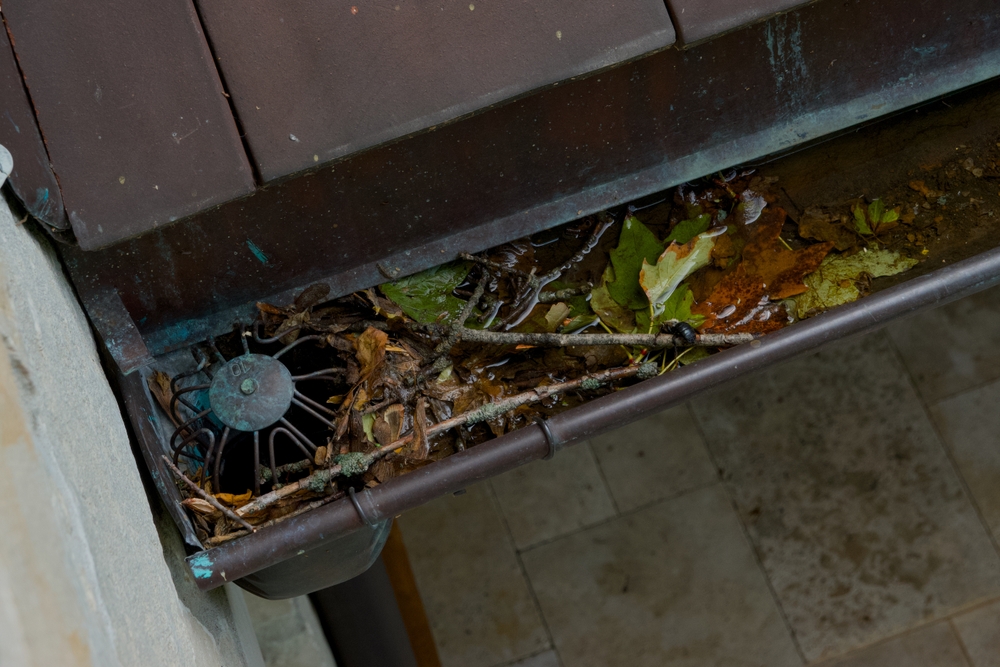
Fall is the season most people associate with gutter problems, and for good reason. The sheer volume of falling leaves can clog an unprotected gutter system in a matter of weeks.
- Volume and Variety: A single mature oak tree can drop hundreds of thousands of leaves. When you have multiple trees, the volume is immense. These leaves, combined with pine needles and twigs, create dense blockages that prevent water from draining.
- Wet, Matting Leaves: Autumn rains turn dry leaves into a heavy, pulpy sludge. This sludge holds moisture against the gutter material, accelerating corrosion, and freezes solid when winter temperatures arrive, providing a solid base for ice dams.
An effective gutter guard must block leaves of all shapes and sizes without allowing them to accumulate on top of the guard’s surface and obstruct water flow. If you have trees near your home in Goshen or Elkhart , it’s wise to consult a local expert familiar with the unique debris patterns of the region.
Types of Gutter Guards: A Critical Comparison
Understanding the main categories of gutter guards is essential to making an informed choice. They vary widely in design, material, effectiveness, and cost.
1. Foam and Brush Inserts
These are some of the simplest and cheapest DIY options. Foam guards are triangular wedges of porous foam that you insert into the gutter channel. Brush guards resemble giant pipe cleaners that sit inside the gutter.
- Pros: Inexpensive and easy to install.
- Cons (Significant for South Bend):
- Debris Accumulation: Debris gets trapped in the foam and bristles. Instead of cleaning the gutter, you now have to remove and clean the insert itself, which can be a messier and more difficult job.
- Water Flow Restriction: Over time, the pores in foam inserts clog with fine sediment, slowing water intake. During a downpour, water will shoot right over the top.
- Ice Dam and Freezing Issues: Foam inserts act like sponges, absorbing water. In winter, this water freezes solid, turning the insert into a giant block of ice within your gutter, which is a recipe for an ice dam.
- Durability: The materials degrade relatively quickly under sun exposure and freeze-thaw cycles, often needing replacement every few years.
Verdict: Unsuitable for South Bend’s climate. They create more problems than they solve, particularly in winter. If you have questions about which gutter guard to select for your area, check this South Bend gutter guide or browse options in Mishawaka and neighboring cities.
2. Mesh and Screen Guards
These guards consist of a metal or plastic screen that covers the top of the gutter. They come in various forms, from simple drop-in screens to more sophisticated micromesh systems.
- Pros: Can be effective at blocking leaves. Micromesh versions can block very fine debris.
- Cons:
- Clogging Surface: The screen itself becomes a shelf where wet leaves, pine needles, and shingle grit can accumulate. This layer of debris blocks the screen’s openings, causing water to flow over the edge. Homeowners often find themselves blowing leaves off their gutter guards.
- Ice Sheeting: In winter, the fine mesh can easily become covered by a thin layer of ice. When this happens, melting snow from the roof cannot penetrate the ice sheet and will flow over the gutter, creating large and dangerous icicles.
- Durability Issues: Cheaper plastic screens become brittle in the cold and can crack under the weight of snow. Even metal screens can be dented or damaged by falling branches. Professional installation is required for micromesh systems, but they still suffer from the surface-clogging problem.
Verdict: Better than inserts, but the tendency for the surface to clog and for ice to sheet over the top makes them a problematic choice for a four-season climate. Homeowners across LaPorte and Michigan City often experience such challenges and benefit from professional consultation.
3. Reverse Curve (Surface Tension) Guards
This design is one of the most effective and popular choices for climates like South Bend’s. Reverse curve guards are solid hoods that cover the gutter. They are designed with a precisely engineered curve at the edge. Water clings to the curved surface (due to cohesion and surface tension) and flows into the gutter through a small slot, while debris is swept over the edge.
- Pros:
- Self-Shedding Design: The solid, smooth surface encourages leaves, pine needles, and other debris to slide right off. There are no screens or holes for debris to get stuck in.
- High Water Capacity: Professionally installed systems are designed and tested to handle extreme rainfall rates, far exceeding what South Bend experiences.
- Durability and Strength: These systems are typically made from heavy-gauge aluminum and are attached with robust, heavy-duty brackets. They are designed to become an integral, structural part of your gutter system, capable of withstanding heavy snow and ice loads.
- Ice Mitigation: The solid surface and installation angle (matching the roof pitch) help snow and ice slide off, rather than accumulate. While not an absolute prevention for ice dams (which start with attic heat loss), they are the best guard type for managing winter conditions.
- Cons:
- Higher Initial Cost: These are premium systems and represent a larger upfront investment.
- Requires Professional Installation: Proper installation is critical to their function. The angle and fit must be perfect to ensure correct water flow and debris shedding. This is not a DIY product.
Verdict: The superior design for South Bend. Their durability, self-shedding properties, and performance in snow and ice make them the most reliable long-term solution. This level of protection is why homeowners from Bremen to Michigan City are increasingly choosing these systems.
Key Features to Demand for a South Bend Gutter Guard
When evaluating specific reverse curve systems or other high-end guards, here are the non-negotiable features you should look for to ensure year-round performance.
Material and Durability
The material is the foundation of a long-lasting system.
- Heavy-Gauge Aluminum: This is the ideal material. It is strong, lightweight, and will not rust or corrode. Look for systems made from aluminum thick enough to resist denting from hail or falling branches and to support heavy snow loads without bending. Avoid vinyl or plastic guards, as they will not survive long in Indiana’s climate.
- High-Quality Finish: The guard should have a durable, factory-applied finish (like K-style paint) that resists chipping, peeling, and fading. This protects the aluminum and keeps your home looking great for decades.
Explore material options and finishes with South Bend gutter professionals , or consult experts in Elkhart and Goshen .
Design and Engineering
The specific design of the guard determines its real-world performance.
- Patented Surface Tension Design: Not all reverse curve systems are the same. Look for a brand with a patented, scientifically tested nose-forward design that has been proven to handle high water volumes and shed debris effectively.
- Integral Brackets: The best systems don’t just sit on top of your existing gutters; they are installed with heavy-duty brackets that attach through the guard, the gutter, and securely into the fascia board. This essentially creates a single, incredibly strong unit, reinforcing your entire gutter system against the weight of snow and ice.
- Appropriate Sizing: The system should be available in sizes that match your gutters and can handle the water load from your specific roof area. A professional installer will calculate this to ensure optimal performance.
For guidance, reach out to Granger’s gutter specialists or Mishawaka’s gutter services .
Installation and Warranty
How a system is installed is just as important as the product itself.
- Professional, Factory-Trained Installers: This is not a job for a general handyman. Choose a company whose installers are specifically trained and certified to install the product they are selling. They will have the expertise to handle unique rooflines and ensure a perfect fit. Proper installation is crucial for residents in historic or architecturally complex homes, a common consideration in cities like Elkhart and Goshen .
- Comprehensive, Lifetime Warranty: A reputable company will stand behind its product with a lifetime warranty. Read the fine print. The best warranties guarantee that your gutters will never clog and will perform as promised for the life of your home. This is the ultimate proof of a company’s confidence in its product.
South Bend's Best Choice: Reverse Curve Guards
After analyzing the specific weather demands and comparing the available technologies, the conclusion is clear. The best gutter guards for South Bend’s four-season climate are professionally installed, heavy-gauge aluminum reverse curve (surface tension) systems.
This type of system is the only one engineered to effectively address all of the challenges presented by the local weather:
- It withstands heavy snow and ice due to its robust materials and integrated bracket design.
- It sheds leaves and debris flawlessly, eliminating the primary cause of clogs.
- It handles torrential downpours without overflowing.
- It prevents ice sheeting common with mesh guards.
- It offers a permanent, low-maintenance solution , backed by a lifetime warranty.
Residents in South Bend and the surrounding Michiana area, including Mishawaka , Granger , LaPorte , Michigan City , Plymouth , Bremen , Elkhart , and Goshen , will benefit from reaching out to local professionals familiar with the unique challenges these climates present.
While the initial investment is higher than for DIY products, the value is unparalleled. You are not just buying a gutter cover; you are investing in a comprehensive water management solution that protects your home’s foundation, roof, and siding. You are eliminating the dangerous annual task of climbing a ladder to clean gutters. And you are gaining the peace of mind that comes from knowing your home is protected, no matter what the weather brings.
If you are a homeowner in South Bend or the broader Michiana region, it’s time to stop the cycle of seasonal gutter maintenance and worry. A top-tier reverse curve gutter guard system is a smart, one-time investment that pays dividends in home protection and safety for decades to come. For more information or to request a free assessment, contact your local gutter specialist .
< Previous Next >
Written by
Anthony Kulikowski
Owner · South Bend, IN
Owner of Top Rated Gutters of South Bend, with 25+ years serving Indiana homeowners.