
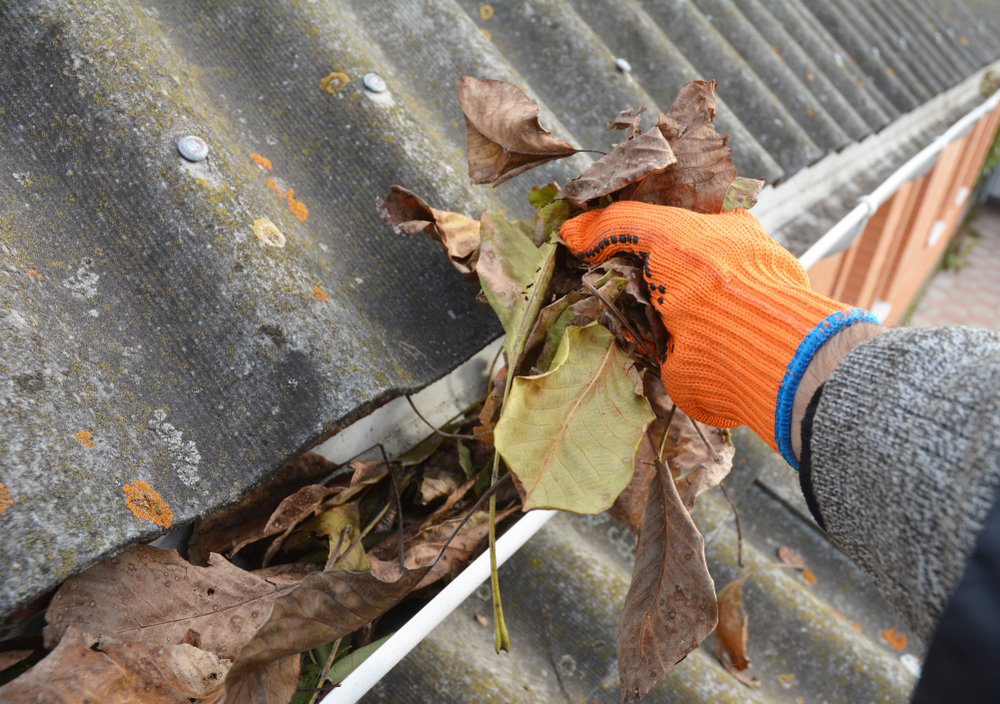
For homeowners in South Bend, the list of seasonal chores is long and varied. From mowing the lawn in the summer to shoveling snow in the winter, maintaining a property in a four-season climate is a year-round commitment. Among these tasks, gutter cleaning is one of the most crucial, yet it is also one of the most frequently overlooked. Many homeowners follow a vague “once a year” rule, but is that truly enough to protect a home in a region subject to heavy leaf fall, spring storms, and punishing lake effect snow?
The simple answer is no. A one-size-fits-all approach to gutter cleaning is inadequate and even dangerous for South Bend properties. The optimal frequency depends on a unique combination of your specific environment, the types of trees surrounding your home, and the intense weather patterns characteristic of Northern Indiana. Neglecting this vital task can lead to clogged gutters, which are the root cause of severe water damage to your roof, siding, and foundation.
This guide will provide a definitive answer to the question of how often you should clean your gutters in South Bend. We will break down the key factors that influence your cleaning schedule, explain the risks of infrequent cleaning, and explore the benefits of professional services and permanent solutions like gutter guards that can save you time, money, and stress in the long run.
The Standard Rule vs. The South Bend Reality
The most common advice you’ll find online is to clean your gutters twice a year: once in the late spring and once in the late fall. This is a decent starting point, but for many homeowners in the South Bend area, it’s simply not sufficient. The region’s specific environmental factors create a much higher demand on your water management system.
Why South Bend is Different: Key Factors Influencing Gutter Cleaning Frequency
To determine your home’s specific needs, you must assess several variables. Each of these can dramatically increase the rate at which your gutters accumulate debris. If you live outside of South Bend, consider that homeowners in nearby areas like Mishawaka , Granger , or LaPorte face similar challenges.
1. Proximity and Type of Trees
This is the single most important factor. The number, type, and proximity of trees to your roofline will dictate your cleaning schedule more than anything else.
- Heavy Leaf Droppers: If your property is surrounded by mature deciduous trees like oaks, maples, or sycamores, you are in a high-debris zone. A single large oak tree can shed hundreds of thousands of leaves each autumn, a volume that can completely clog an unprotected gutter system in a matter of weeks. For these homes, a single fall cleanup is not enough. You may need to clean them once after the first major leaf drop in mid-autumn and again after the last leaves have fallen.
- Pine and Fir Trees: Evergreen trees present a year-round challenge. They shed their needles consistently throughout the year, not just in one season. These needles are small and can easily create dense, dam-like clogs that are difficult to remove. If you have pine trees near your home, your gutters are never truly “off-season.”
- “Dirty” Trees: Some trees produce more than just leaves. Maple trees drop their winged “helicopter” seeds in the spring, which can clog gutters just as effectively as leaves. Catalpa trees drop large flowers and then long seed pods, while birch trees shed bark and catkins. Understanding the shedding cycle of your specific trees is key to timing your cleaning efforts.
2. Local Weather Patterns: Spring Storms and Summer Winds
South Bend’s weather is active. Spring and summer are characterized by thunderstorms that are often accompanied by high winds.
- Spring Debris: Following winter, trees are often littered with dead twigs and branches that are easily broken off during the first windy storms of spring. This, combined with falling buds, pollen tassels, and seeds, can lead to significant blockages before summer even begins. This is why a late spring cleaning is critical.
- Summer Storms: A powerful summer thunderstorm can strip leaves and small branches from trees and deposit them directly into your gutters. A clean gutter in June can easily become a clogged one after a single storm in July, leading to overflows during the next downpour.
3. The Impact of Lake Effect Snow
Winter in South Bend is defined by lake effect snow. This doesn’t just mean more snow; it often means heavy, wet snow that puts immense stress on your gutters. A gutter that enters winter already clogged is a catastrophe waiting to happen.
- The Foundation for Ice Dams: When gutters are filled with leaves and debris, this sludge absorbs water and freezes solid. This frozen blockage acts as the perfect foundation for an ice dam. As snow on the warmer part of your roof melts, the water runs down and gets trapped by this clog, leading to water backing up under your shingles.
- Added Weight and Stress: The weight of wet leaves and debris, combined with the immense weight of snow and ice, can easily overwhelm your gutter system, causing it to sag, bend, or pull away from the house entirely.
Given these factors, it is clear why a generic twice-a-year schedule may not be enough. The maintenance needs of a home in a new, treeless subdivision in Granger will be vastly different from a home in a mature, tree-lined neighborhood in Mishawaka .
A Tailored Gutter Cleaning Schedule for South Bend Homeowners
Based on the local conditions, here is a more realistic, tiered approach to gutter cleaning frequency. Find the category that best describes your property.
Category 1: Minimum Frequency (Twice Per Year)
- Who it’s for: Homes with very few or no trees near the roofline. These are typically newer homes in developing subdivisions or properties on very open lots.
- When to Clean:
- Late Spring (May/June): After the “spring shed” of pollen, seeds, and buds is complete. This clears the way for heavy summer rains.
- Late Fall (November): After all the leaves from distant trees have fallen. This is the crucial pre-winter cleaning to prevent ice dams.
- Why it works: With minimal debris, your primary goal is to clear out what little has accumulated from wind-blown sources and to ensure the system is clear before summer storms and winter freezes.
Category 2: Recommended Frequency (Three to Four Times Per Year)
- Who it’s for: The majority of homeowners in the South Bend area. This applies to homes with several mature trees nearby, but not directly overhanging the roof.
- When to Clean:
- Late Spring (May/June): To clear out helicopter seeds and other spring debris.
- Mid-Fall (October): An essential cleaning after the first significant leaf drop to keep gutters functional during autumn rains.
- Late Fall/Early Winter (Late November/Early December): The final, most critical cleaning after all leaves are down to prepare for snow and ice.
- (Optional) Mid-Summer: A quick inspection and spot-clean after any major summer storm with high winds.
- Why it works: This schedule proactively addresses the heaviest periods of debris accumulation. The mid-fall cleaning prevents overflows during a wet autumn and makes the final, pre-winter cleaning much more manageable. This is a practical schedule for many residents in established communities from LaPorte to Plymouth .
Category 3: High-Maintenance Frequency (Every Other Month / As Needed)
- Who it’s for: Homes with large trees directly overhanging the roof, especially pine trees. These properties are under constant assault from falling debris.
- When to Clean: For these homes, gutter maintenance is not a “seasonal” event but an ongoing process. A full cleaning may be required every 2-3 months. At a minimum, a visual inspection from the ground should be done monthly to check for signs of clogging or overflow.
- Why it’s necessary: With overhanging branches, your gutters can become clogged in any season, after any storm. The constant shedding from pine trees means there is never a time when your gutters are not at risk. Waiting for a designated “cleaning season” is not an option. This level of diligence is often required for wooded properties found near areas like Bremen and Michigan City .
What Happens When You Don’t Clean Your Gutters
Understanding the “why” behind this rigorous schedule is key to staying motivated. A clogged gutter is not a minor issue; it is the starting point for a cascade of expensive and destructive problems.
- Foundation Damage: When gutters overflow, they dump water directly at the base of your home. This saturates the soil, creating hydrostatic pressure that can crack your foundation and lead to basement flooding.
- Roof Damage: Backed-up water, especially in the form of ice dams, can seep under your shingles, rotting the roof deck, soffits, and fascia boards. This can lead to thousands of dollars in structural repairs.
- Siding and Masonry Damage: Water cascading down the side of your house can stain siding, promote mold and mildew growth, and, over time, damage mortar in brick or stone exteriors.
- Landscape Erosion: The concentrated flow of water from an overflowing gutter can wash away mulch, topsoil, and destroy flowerbeds and other landscaping features.
- Pest Infestations: Gutters filled with damp, decaying organic matter are an ideal breeding ground for mosquitos, ants, termites, and other pests, which can then find their way into your home.
For homeowners throughout Northern Indiana, tackling gutter cleaning on their own can lead to injuries and missed problems. That’s why many homeowners turn to professional gutter services in South Bend and surrounding cities for help.
The Professional Solution: Hiring a Service vs. DIY
Gutter cleaning is a physically demanding and dangerous job. For many homeowners, the DIY approach is not worth the risk.
The Risks of DIY Gutter Cleaning
- Ladder Safety: Falls from ladders are a leading cause of serious injury for homeowners. Working high off the ground on uneven surfaces while reaching and pulling is a recipe for accidents.
- Effectiveness: It’s difficult for a homeowner to do a truly thorough job. Properly flushing downspouts and identifying underlying issues like loose hangers or minor leaks requires a trained eye.
- Time and Effort: A proper cleaning can take several hours of strenuous, dirty work.
The Benefits of Professional Cleaning
Hiring a professional gutter cleaning service in South Bend or areas like Granger and Elkhart is a smart investment in your safety and your home’s health.
- Safety and Insurance: Professionals have the right safety equipment, training, and insurance to protect you from liability.
- Thoroughness: A professional service will not only remove debris but also flush the entire system, ensure downspouts are clear, and inspect for damage. They can often perform minor repairs on the spot.
- Efficiency: A trained crew can typically clean the gutters on an entire house in a fraction of the time it would take a homeowner.
For residents in busy communities like Elkhart and Goshen , hiring a pro frees up valuable time and provides the peace of mind that the job is done right.
The Permanent Solution: Investing in Gutter Guards
If you are tired of the endless cycle of cleaning, or if you fall into the high-maintenance category, it is time to consider a permanent solution: a high-quality gutter guard system .
Gutter guards are covers that fit over your gutters, allowing water to enter while blocking leaves, needles, and other debris. However, not all gutter guards are created equal, especially for South Bend’s climate.
- Avoid Cheap Screens and Foam: Simple mesh screens can clog on their surface, requiring you to clean the guards themselves. Foam inserts act like sponges, absorbing water and freezing solid in the winter, which can make ice dams worse.
- Choose a Professional-Grade Reverse-Curve System: These solid-hood systems are the most effective technology for a four-season climate. They use the principle of surface tension to allow water to flow into the gutter while the solid surface sheds debris over the edge. They are made from heavy-gauge aluminum that can withstand heavy snow loads and are installed at the pitch of the roof to help shed ice and snow. For professional installation, consider trusted local experts like those at Top Rated Gutters South Bend and Top Rated Gutters of Granger, IN .
The Value of a One-Time Investment
While professionally installed gutter guards are a significant upfront investment, they can pay for themselves over time. Consider the cost of paying for professional cleanings 3-4 times per year, every year. Over a decade, that cost can easily exceed the price of a permanent gutter guard installation.
More importantly, you gain a system that is always working. You no longer have to worry if a sudden storm clogged your gutters or if they are clear before a winter freeze. It is a one-time investment in a lifetime of performance and peace of mind.
Your Final Answer
So, how often should you clean your gutters in South Bend? At a minimum, twice a year. More realistically for most homeowners, it’s three to four times a year. And for those with heavy tree cover, it’s an ongoing task.
Take an honest look at your property and your tolerance for risk and maintenance. If you are committed to the DIY approach, create a schedule based on the factors we’ve discussed and stick to it. If you value your time and safety, hire a reputable professional service serving Mishawaka , Goshen , and surrounding areas. And if you want to solve the problem permanently, invest in a high-quality seamless gutter and gutter guard system . Whatever path you choose, proactive attention to your gutters is one of the most important things you can do to protect your home.
< Previous Next >
Written by
Anthony Kulikowski
Owner · South Bend, IN
Owner of Top Rated Gutters of South Bend, with 25+ years serving Indiana homeowners.