For most homeowners, gutters are an “out of sight, out of mind” feature of their home. They are expected to do their job quietly, and as long as water isn’t pouring down in sheets, they are assumed to be fine. Many people believe a gutter system, once installed, should last for the life of the home. However, in Northwest Georgia, this is rarely the case. Gutter replacement is a far more common and necessary project here than in many other parts of the country.
The unique combination of our region’s intense weather, abundant and messy trees, and the age of many housing developments creates a perfect storm of conditions that actively work to degrade and destroy gutter systems. From the historic homes of Marietta to the rapidly growing suburbs of Canton , homeowners are often surprised to learn that their five, ten, or fifteen-year-old gutters are already failing and in need of a full replacement.
This isn’t a sign of poor ownership; it’s a testament to the harsh environment your gutters endure. Understanding the specific factors that lead to premature gutter failure is the first step in recognizing when a simple repair is no longer enough. This guide will explore why gutter replacement is so common in our area and detail the clear signs that indicate it’s time to invest in a new system to protect your home.
The Regional Forces Working Against Your Gutters
A gutter system in a dry, arid climate with few trees might last for 30 years or more. In Northwest Georgia, that timeline is drastically shortened. Our local environment puts gutter systems under constant, year-round stress.
Factor 1: The Relentless Assault of Heavy Rain and Humidity
Northwest Georgia is defined by its significant rainfall. Our climate delivers short, intense deluges in the spring and summer and long, soaking rains in the fall and winter. This sheer volume of water puts immense strain on gutters.
- Overwhelmed Systems: Many homes, especially older ones, were built with standard 5-inch gutters. These are often inadequate for the high rainfall rates in our region. During a typical thunderstorm in areas like Acworth or Powder Springs, these undersized gutters are easily overwhelmed, causing water to overflow. This constant overflow is not just a nuisance; it’s a sign that the system is failing its primary function.
- The Power of Humidity: Our region’s pervasive humidity is a silent killer of gutter systems. It accelerates the decomposition of any organic debris trapped in the gutters, creating a thick, acidic sludge. This sludge holds moisture directly against the gutter material 24/7, dramatically speeding up rust and corrosion, especially in traditional galvanized steel gutters. The constant dampness also promotes the growth of algae and mold, which can further degrade the gutter’s surface.
Factor 2: The Year-Round Barrage from Abundant Trees
Our beautiful, mature tree canopy is a hallmark of the region, but it’s also the primary antagonist in your gutter’s life story. Unlike in other areas where debris is only a fall issue, our trees create problems year-round.
- Acidic Pine Needles: The prevalence of pine trees in areas like Woodstock and Cartersville is a major issue. Pine needles are highly acidic, and as they decompose in your gutters, they create a corrosive slurry that eats away at metal. They are also notorious for creating dense clogs that are difficult to remove.
- Heavy, Wet Leaf Load: In the fall, the sheer volume of leaves from our oaks, maples, and hickories can be staggering. When mixed with rain, this debris becomes incredibly heavy. This constant weight puts an enormous strain on gutter hangers and fasteners, causing the entire system to sag, bend, and pull away from the fascia board.
- Physical Damage: Trees don’t just drop leaves. After storms or on windy days, falling twigs, branches, and acorns bombard your gutters. A single falling branch can dent, warp, or even puncture a section of gutter, creating an immediate failure point.
Factor 3: The Age and Construction of Local Homes
Many neighborhoods in Northwest Georgia, from Smyrna to Sandy Springs, feature homes built several decades ago. The gutter technology and installation standards of the past were not designed for the longevity and performance we expect today.
- Sectional Gutter Failure: Most older homes were built with sectional gutters, 10-foot pieces of aluminum or steel joined together with sealant. Every seam in this type of system is a built-in point of failure. The sealant degrades under the Georgia sun, leading to inevitable leaks. These leaks cause water to run down the fascia board, leading to wood rot. Once the fascia is rotted, the gutter hangers have nothing secure to hold onto, and the entire system begins to fail.
- Outdated Materials: Older homes may have galvanized steel gutters. While strong initially, once their protective zinc coating is scratched or worn away, they rust through very quickly in our humid climate. You can often see tell-tale rust stains on the exterior of the gutters or on the siding below them.
- Spike-and-Ferrule Installation: The old standard for attaching gutters was a method using a large spike driven through the gutter and a metal tube (ferrule) into the fascia. Over time, with thermal expansion and contraction, these spikes work themselves loose. You can often see the heads of these spikes sticking out from the face of the gutters. A loose spike means a loose gutter, leading to sagging and eventual detachment.
7 Telltale Signs Your Gutters Need to be Replaced
Repairs can solve minor, isolated issues. However, when you start seeing systemic problems, a full replacement is often the more cost-effective and responsible solution. Watch for these clear indicators that your gutter system is beyond repair.
1. Visible Cracks, Holes, or Rust Spots
This is the most obvious sign of failure. A small crack can sometimes be sealed, but if you are seeing multiple cracks, widespread rust spots (on steel gutters), or actual holes, the metal has lost its integrity. Patching these issues is like putting a band-aid on a major wound. The metal will continue to degrade around the patch, and new holes will soon appear.
2. Broken or Failed Fasteners
Walk around your house and look at how the gutters are attached. Are there screws or spike heads sticking out? Are the straps or hangers broken or bent? A few failed fasteners can sometimes be replaced, but when you see this issue in multiple spots, it’s a sign of systemic failure. The constant weight and stress have overwhelmed the mounting system, and simply adding a few new screws won’t solve the underlying problem of a heavy, sagging system.
3. Gutters Pulling Away or Sagging from the House
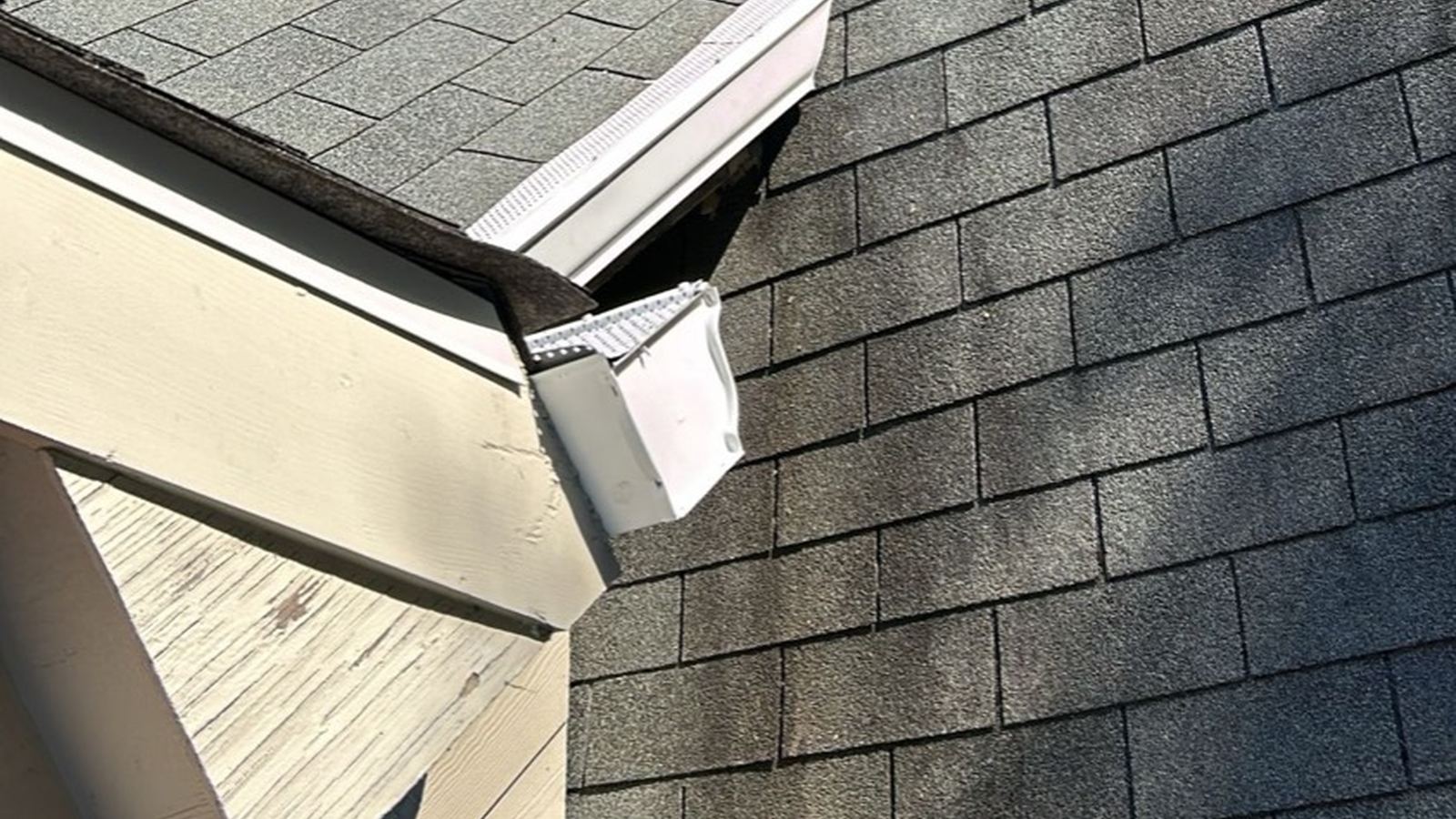
Stand back from your home and look at the lines of your gutters. They should be straight and snug against the fascia board. If you see visible sagging, bowing, or areas where the gutter is pulling away from the house, you have a serious problem. This means the hangers have failed, the fascia board behind the gutter is likely rotted, or both. A sagging gutter cannot maintain the correct pitch, so water will pool in the low spots, adding even more weight and making the problem worse. This is a common reason homeowners seek gutter services in Mableton and other established neighborhoods.
4. Widespread Leaking at the Seams
If you have sectional gutters, check them during or after a rain. Is there just one small drip at a corner, or are multiple seams leaking along the length of the house? When the sealant in numerous joints has failed, it’s not practical to try and reseal all of them. The time and labor involved in scraping, cleaning, and resealing every single seam would be better invested in a new, leak-free seamless system.
5. Water Damage on or Inside Your Home
Your gutters’ failure is often diagnosed by the damage they cause elsewhere. Look for these signs:
- Peeling Paint and Rotted Wood: Check your fascia, soffits, and window sills for peeling paint or soft, rotted wood. This is caused by persistent gutter overflows or leaks.
- Staining on Siding: Look for dark streaks or water stains on your home’s siding. This tells you exactly where water has been overflowing for a long time.
- Basement or Crawlspace Moisture: If you have suddenly noticed a damp, musty smell in your basement or crawlspace, or visible water intrusion after rains, failed gutters are a primary suspect. Before you spend thousands on basement waterproofing, check if the root cause is a gutter system dumping water right at your foundation.
6. Pools of Water or Erosion Around Your Foundation
After it rains, walk the perimeter of your house. Do you see pools of water sitting next to the foundation? Are there channels carved into your landscaping or mulch washed away? This means your gutter system is not effectively controlling the rainwater and is instead directing it to the most vulnerable part of your property. This is an urgent sign that a replacement is needed to prevent costly foundation damage. Homeowners in hilly areas like those around Ball Ground need to be especially vigilant about erosion control.
7. Gutters Are Consistently Clogging or Undersized
Sometimes, the gutter itself isn’t cracked or falling off, but it’s still the wrong system for your house. If you are constantly cleaning out your 5-inch gutters, yet they still overflow in a typical Georgia downpour, they are simply too small for your roof. No amount of cleaning will fix this fundamental design flaw. The only solution is to replace them with a larger, more appropriate system, like 6-inch gutters. This is a frequent and necessary upgrade for homes in rainy communities like Dallas and Kennesaw.
Making the Right Choice: Your Gutter Replacement Options
If you’ve identified several of these warning signs, it’s time to start planning for a replacement. This is an opportunity to significantly upgrade your home’s protection by choosing a modern, high-performance system.
The Clear Winner: Seamless Aluminum Gutters
For virtually every home in Northwest Georgia, the best choice is a seamless aluminum gutter system. Unlike sectional gutters, which are pieced together, seamless gutters are fabricated on-site from a single, continuous piece of aluminum.
- No Leaks: This eliminates all the seams that are the primary source of leaks and failures in traditional gutters.
- Superior Strength: The single-piece construction is inherently stronger and more durable, resisting sagging and damage.
- Custom Fit and Finish: They are made to the exact measurements of your home and come in a wide variety of baked-on enamel colors that won’t chip or fade, enhancing your home’s curb appeal.
Critical Upgrade #1: Go Bigger with 6-Inch Gutters
When replacing your system, strongly consider upgrading from standard 5-inch gutters to 6-inch gutters. A 6-inch gutter can handle about 40% more water volume. This extra capacity is crucial for handling the intense downpours common in our region and provides a vital buffer against overflow. Pair them with larger 3×4 inch downspouts to ensure the increased volume of water can be drained away quickly.
Critical Upgrade #2: Add a High-Quality Gutter Guard
A new gutter system is a significant investment. The best way to protect that investment and ensure it performs at its peak is to top it with a high-quality gutter guard. In our wooded environment, an unprotected gutter will clog, overflow, and begin to fail.
- Micro-Mesh Systems: Choose a premium micro-mesh system. The fine stainless steel screen allows water in but blocks all debris, including pine needles, preventing clogs before they can start. This ensures your new gutters can flow freely year-round.
- A Permanent Solution: A good gutter guard eliminates the need for dangerous and frequent gutter cleaning. It is the key to a truly low-maintenance, high-performance water management system, a must-have for homes in leafy areas like Vinings and Paces.
Why Professional Installation is Non-Negotiable
Gutter replacement is not a DIY project. The performance and longevity of your new system are entirely dependent on the quality of the installation.
- Proper Assessment and Sizing: A professional will correctly calculate the water load from your roof and recommend the right size gutters and the optimal number and placement of downspouts.
- Fascia Repair: They will identify and repair any rotted fascia boards before installing the new system, ensuring the gutters have a solid, secure mounting surface.
- Precise Pitch: Professionals have the tools and experience to set the perfect slope for your gutters, ensuring water flows to the downspouts and never stands still.
- Secure Installation: They use modern, heavy-duty hangers and fasteners to ensure your gutters can withstand the weight of heavy rain and debris for decades to come.
Attempting to install gutters yourself often leads to improper pitch, insecure mounting, and a system that fails prematurely, wasting your time and money. Hiring a reputable, local company that provides expert gutter services in Marietta or your specific community is essential.
An Investment in Your Home’s Future
It can be tempting to put off gutter replacement, but this is one home improvement project that should not be delayed. A failing gutter system is an active threat to your home’s structural integrity. The cost of replacing your gutters is minor compared to the potential cost of repairing a cracked foundation, remediating a moldy basement, or replacing rotted structural wood.
Given the unique environmental challenges in Northwest Georgia, viewing your gutter system as a disposable component with a limited lifespan is a realistic approach. By recognizing the signs of failure early and investing in a modern, professionally installed seamless gutter system, you are not just fixing a problem, you are making a crucial investment in the long-term health, value, and safety of your home.
< Previous Next >
Written by
Dan McMillan
Owner · Northwest Georgia
Owner of Top Rated Gutters of Northwest Georgia, serving Marietta, Woodstock, Kennesaw and Cobb County.