In Northwest Georgia, the changing seasons paint a beautiful picture. We see vibrant spring blooms, lush green summers, a breathtaking cascade of fall colors, and crisp, cool winters. Each season brings its own unique character to our region, but for homeowners, it also brings a specific set of chores required to protect their property. At the top of that list, and often the most overlooked, is gutter maintenance.
Your gutters are your home’s primary defense against rainwater. They quietly protect your foundation, siding, and landscaping from water damage. However, they can only do their job if they are clear and in good working order. The dynamic weather patterns and abundant tree cover in our area, from the leafy streets of Marietta to the wooded hills of Cartersville , mean that gutter maintenance isn’t a once-a-year task. It’s a year-round responsibility, with each season presenting distinct challenges.
Ignoring your gutters can lead to clogs, overflows, and a host of expensive problems, including basement flooding and foundation cracks. This guide provides a detailed, season-by-season plan for Northwest Georgia homeowners to keep their gutter systems in peak condition, ensuring their home is protected no matter what the weather brings.
The Importance of a Year-Round Approach
Many homeowners think of gutter cleaning as strictly an autumn chore. While fall is certainly a critical time, a “set it and forget it” approach will leave your home vulnerable for the other nine months of the year. The weather in Northwest Georgia is too varied and often too intense for a single annual cleaning to be sufficient.
- Spring brings pollen, seeds, and violent thunderstorms that can overwhelm a neglected system.
- Summer features pop-up storms and high humidity that turn minor debris into thick, heavy sludge.
- Fall unleashes a massive volume of leaves that can clog an entire gutter system in weeks.
- Winter introduces the risk of ice dams in clogged gutters, which can tear them from your home.
By adopting a seasonal maintenance mindset, you can stay ahead of these problems, address small issues before they become costly repairs, and ensure your gutters are always ready to perform. If you’re unsure where to start, professional gutter services in Woodstock and gutter services in Vinings can guide you on the best maintenance practices for your area.
Spring Gutter Maintenance: Preparing for the Storms
After a relatively quiet winter, spring arrives in Northwest Georgia with a burst of activity. Trees bud, flowers bloom, and unfortunately, severe weather ramps up. Spring maintenance is all about clearing out winter’s leftovers and preparing your system for the intense rains ahead.
The Challenges of Spring:
- Pollen and Seeds: The infamous yellow-green dust that covers everything also ends up in your gutters. Oak trees drop long, stringy tassels, and maple trees release “helicopter” seeds. This fine debris can create a paste-like sludge when it rains, forming the base layer for larger clogs.
- Intense Thunderstorms: Spring is peak season for severe weather, including thunderstorms that can drop an inch or more of rain in a very short time. Your gutters need to be completely clear to handle this sudden deluge.
- Nesting Pests: Birds and rodents often see a gutter filled with leftover fall leaves as the perfect, sheltered spot to build a nest. These nests create dense blockages that are difficult to remove and can cause immediate overflow.
Your Spring Maintenance Checklist (Late March / Early April):
- A Thorough Cleaning is Priority One: Your first task of the season is a complete cleaning.
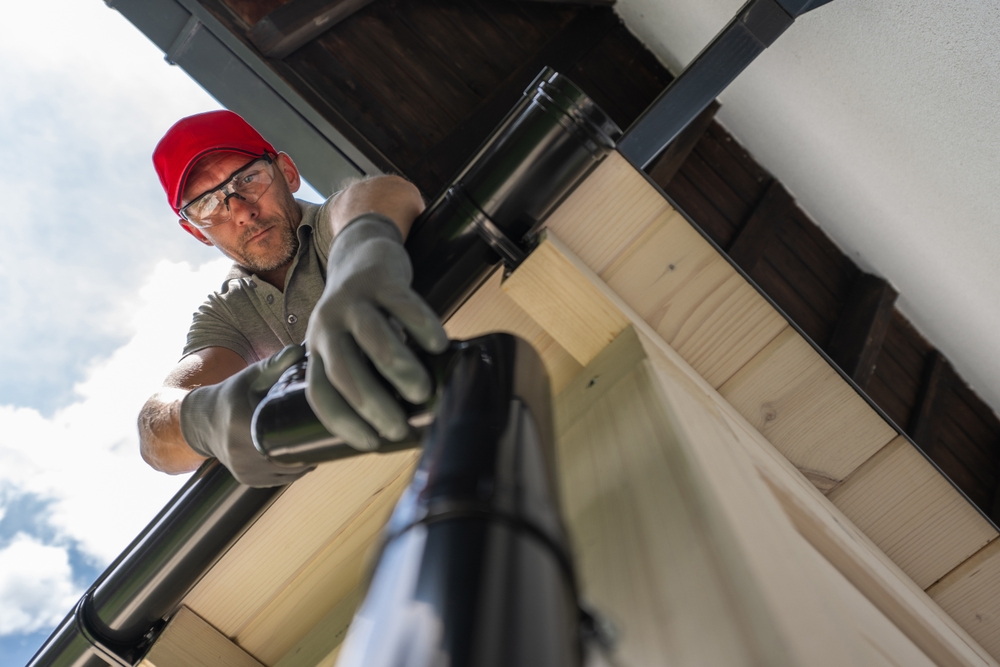
- Safety First: Before you start, ensure your ladder is on stable, level ground. Have a spotter if possible and wear heavy-duty gloves to protect your hands from sharp metal or hidden pests.
- Remove Large Debris: Begin by removing the bulk of the debris, leaves, twigs, and any “gutter garden” growth, by hand or with a gutter scoop. Place it in a bucket to avoid making a mess on the ground below.
- Deal with Sludge: Scrape out the layer of decomposed leaves and shingle grit at the bottom of the trough. This heavy material holds moisture and adds weight to your gutters.
- Flush the System: Once the gutters are clear, use a garden hose with a spray nozzle to flush the entire system, starting at the end opposite the downspout. This will wash away any remaining fine debris and, more importantly, test the system for leaks and flow.
- Conduct a Detailed Inspection: As you flush the gutters, watch closely for problems.
- Check for Leaks: Pay close attention to seams, corners, and end caps. If you see water dripping or running down the fascia board, you have a leak that needs to be sealed. This is a common failure point in older sectional gutters.
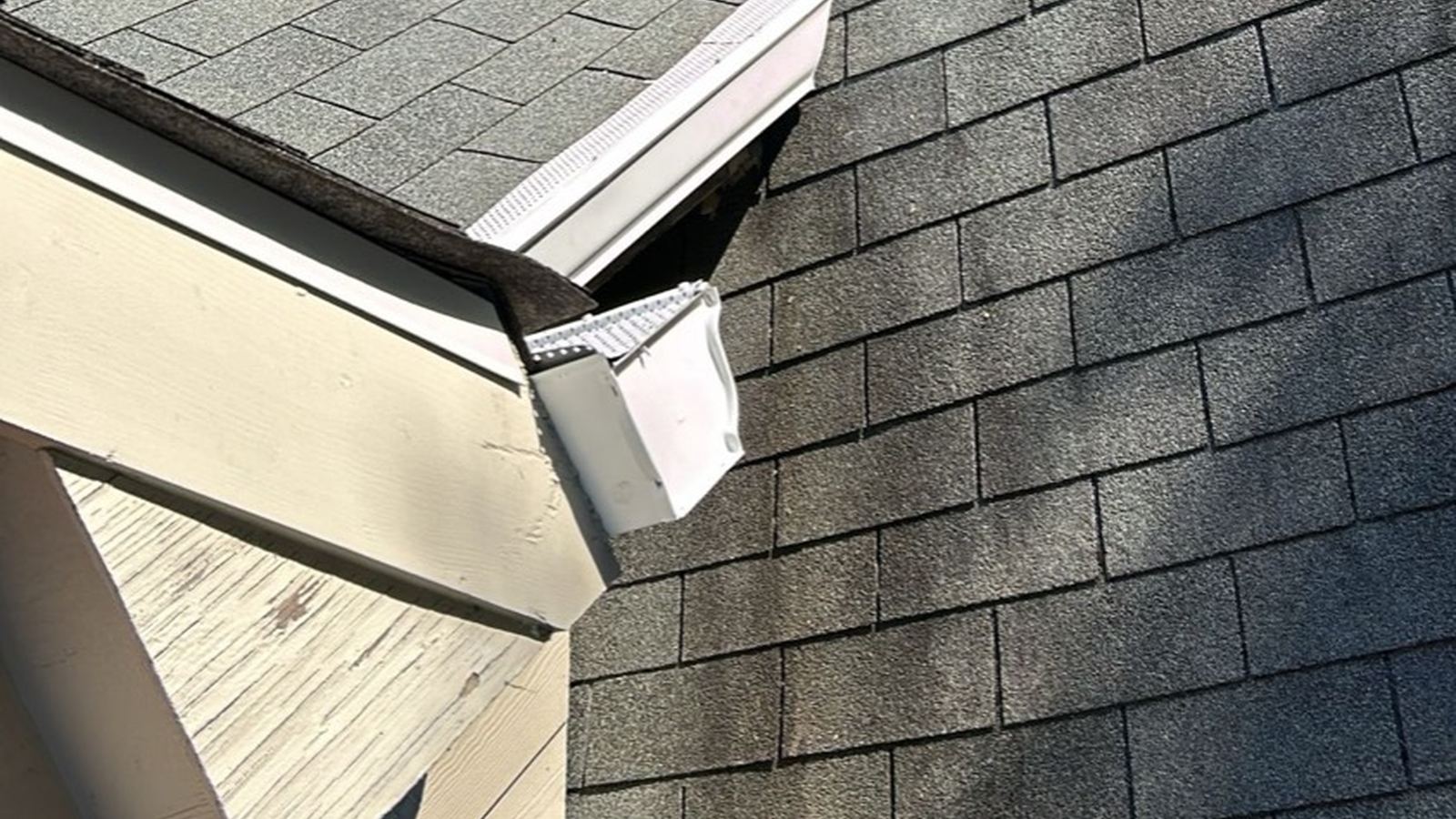
- Inspect Gutters for Damage: Look for signs of rust, corrosion, or denting from winter ice or storms. Check if any sections are sagging or have pulled away from the fascia. This could indicate failed hangers or even rotting wood.
- Test Downspout Flow: Watch the water as it exits the downspouts. It should flow out freely. If the flow is weak or water backs up into the gutter, you have a clog in the downspout. This can often be cleared by tapping on the side of the downspout or using a plumber’s snake.
- Make Necessary Repairs:
- Seal Leaks: Minor leaks at seams can be repaired by cleaning the area thoroughly, drying it, and applying a high-quality gutter sealant to the inside of the joint.
- Re-secure Sagging Sections: If a gutter is sagging, you may need to add or replace the hangers. Use heavy-duty internal hangers that screw into the fascia board for the most secure hold. If the fascia board itself is soft or rotted, it must be repaired or replaced before the gutter can be properly secured. Homeowners looking for professional gutter services in Smyrna or gutter services in Mableton often find that underlying fascia rot is a hidden problem.
Professional Tip: Spring is an excellent time to consider upgrading to a gutter guard system. After you’ve spent an afternoon cleaning out the winter muck, the value of preventing it in the first place becomes crystal clear. Check with gutter experts in Dallas or Sandy Springs about year-round solutions.
Summer Gutter Maintenance: The Mid-Year Check-Up
Summer in Northwest Georgia means heat, humidity, and pop-up afternoon thunderstorms. While not as intensive as spring or fall maintenance, a mid-summer check is crucial for preventing problems caused by storm debris and ensuring your system is ready for hurricane season remnants.
The Challenges of Summer:
- Storm Debris: High winds from summer storms can blow leaves, twigs, and other debris onto your roof and into your gutters, creating unexpected clogs.
- Sludge and Organic Growth: The combination of high humidity and heat rapidly decomposes any debris in your gutters, turning it into a thick, smelly sludge. This can also encourage the growth of algae and mildew.
- Pest Infestations: Standing water in a clogged gutter is a prime breeding ground for mosquitoes. In just a few days, a small clog can turn your backyard into a mosquito haven.
Your Summer Maintenance Checklist (July / Early August):
- Visual Inspection from the Ground: You may not need to get on the ladder for this check-up. After a heavy rain, walk around your house and observe your gutter system.
- Look for Overflow: Watch for any areas where water is spilling over the sides. This is a sure sign of a clog that needs immediate attention.
- Check for Gutter Gardens: Look for any plants or weeds sprouting from your gutters. This is a clear indicator that enough debris has accumulated to support plant life.
- Spot Cleaning as Needed: If your visual inspection reveals a problem, or if you’ve had a particularly bad storm, a quick spot-clean is in order.
- Target Problem Areas: You may not need to clean the entire system. Focus on the areas where you saw overflow or where large trees hang directly over the roof, such as in the wooded neighborhoods of Kennesaw or Woodstock .
- Clear Downspout Openings: Ensure the area around the downspout opening (the outlet) is clear, as this is where clogs are most likely to start.
- Inspect Downspout Drainage:
- Ensure Proper Diversion: Check where your downspouts are discharging water. It should be directed at least 4-6 feet away from your foundation. If heavy rains have washed away soil or moved your splash blocks, reposition them to ensure water is channeled safely away from your home. This is vital for protecting your foundation, a major concern for homeowners from Dallas to Sandy Springs .
Professional Tip: If you find yourself having to clear out clogs multiple times during the summer, it’s a strong sign that your open gutters are no match for your property’s trees. This is a perfect time to get a quote for a micro-mesh gutter guard system, which would eliminate these summer clogs entirely. Gutter services in Acworth can provide recommendations based on your foliage exposure.
Fall Gutter Maintenance: The Main Event
This is the season every homeowner thinks about. As the beautiful autumn foliage begins to fall, it creates the single biggest gutter-clogging event of the year. Fall maintenance is not a single task but a multi-stage process.
The Challenges of Fall:
- Massive Leaf Volume: The sheer volume of falling leaves can overwhelm and clog a gutter system in a matter of days.
- Heavy, Wet Debris: Fall often brings long, soaking rains that turn dry leaves into a heavy, dense mat. This heavy mixture adds immense weight to your gutters, causing them to sag and pull away from the fascia.
- Pine Needles: For homes with pine trees, the fall shedding of needles creates a particularly difficult challenge, as they form dense clogs that are hard to remove.
Your Fall Maintenance Checklist (October – December):
- The “First Wave” Cleaning (Mid-to-Late October): Don’t wait for all the leaves to fall. Once about half the leaves in your yard are down, perform your first major cleaning of the season.
- Follow the Spring Cleaning Steps: Use the same process of scooping out debris and flushing the system. This initial cleaning removes the first heavy load and ensures your gutters can still function as more leaves fall. Waiting until all leaves are down can leave your home unprotected during an early-season storm.
- The “Final” Cleaning (Late November / Early December): After the majority of trees in your area are bare, it’s time for the most critical cleaning of the year.
- Be Thorough: This cleaning is essential for winter preparation. You must remove all debris from the gutters and downspouts. Any leaves left in the gutter will trap water and lead to the formation of ice dams.
- Final Flush and Inspection: Perform a final, meticulous flush of the entire system. This is your last best chance before winter to spot and repair any leaks, sagging, or other damage. For homeowners in areas like Acworth and Canton , getting this final clean done before the first hard freeze is crucial.
- Prepare for Winter:
- Check Gutter Pitch: Pay special attention to any areas where water pools instead of flowing freely. Correcting the gutter’s slope now can prevent ice buildup in those spots.
- Inspect Hangers and Fasteners: The weight of wet leaves can put a strain on your gutter’s mounting system. Check that all hangers are secure and tighten any loose screws.
Professional Tip: Fall is the busiest season for gutter cleaning companies. If you plan to hire a professional, a wise choice for safety and thoroughness, book their services well in advance. Many companies offering gutter services in Marietta or Paces get fully booked by early October.
Winter Gutter Maintenance: Preventing Ice Damage
Winter maintenance is less about cleaning and more about preventing a specific, highly destructive problem: ice dams.
The Challenge of Winter:
- Ice Dams: When gutters are clogged with leftover fall debris, water from melting snow or freezing rain gets trapped. This water freezes and expands, forming a heavy block of ice. This ice can warp, bend, or even rip gutters right off your house. Furthermore, as more meltwater backs up behind the ice dam, it can be forced under your roof shingles, leading to serious attic leaks and water damage.
Your Winter Maintenance Checklist (As Needed):
- Post-Storm Visual Checks: After a snowfall or ice storm, perform a quick visual inspection from the safety of the ground.
- Look for Icicles: While some small icicles can be normal, a large cluster of heavy icicles concentrated in one area is a red flag for a clogged and overflowing gutter.
- Check for Ice Buildup: If you can safely see into your gutters, look for solid blocks of ice filling the troughs.
- Safe Snow and Ice Removal:
- Never Use a Ladder in Icy Conditions: Do not attempt to get on a ladder to clear ice from your gutters. The risk of slipping and falling is too high.
- Use a Roof Rake: If you have heavy snow buildup on the edge of your roof, you can use a long-handled roof rake (from the ground) to gently pull the snow down. This reduces the amount of water that will melt into the gutters.
- Do Not Use Salt: Avoid using rock salt or calcium chloride to melt ice in your gutters. These chemicals are highly corrosive and will damage aluminum gutters and stain your siding.
Professional Tip: The only true way to prevent ice dams is to ensure your gutters are completely clean before winter begins. If you have a gutter guard system, this is a non-issue. If not, the “final” fall cleaning is your most important defense against winter damage. For properties in the colder microclimates around Ball Ground or northern Canton , this is especially important.
The Ultimate Maintenance Solution: Gutter Guards
Following this seasonal guide will provide excellent protection for your home. However, it also requires a significant commitment of time and effort, not to mention the safety risks of repeated ladder work. For a truly effective and permanent solution, the best maintenance is prevention.
A high-quality, professionally installed micro-mesh gutter guard system eliminates the need for seasonal cleaning.
- Stops Clogs Year-Round: It blocks leaves, pine needles, pollen, and pests, keeping your gutters clear through every season.
- Prevents Ice Dams: By keeping debris out, it ensures water can flow freely, even in freezing conditions, preventing the blockages that lead to ice dams.
- Saves Time and Ensures Safety: It frees you from the dangerous, repetitive chore of gutter cleaning, giving you back your weekends and your peace of mind.
Investing in gutter guards is the single most effective maintenance step a Northwest Georgia homeowner can take. It’s a solution that works 365 days a year, protecting your home from the specific challenges of our spring pollen, summer storms, fall leaves, and winter ice. Whether you reside in Vinings or a neighboring community, it’s an upgrade worth considering.
A Protected Home in Every Season
Your gutter system is a small part of your home, but it plays a massive role in protecting your entire investment. By following this seasonal maintenance guide, you can proactively defend your property against the pervasive threat of water damage. Stay diligent with your cleanings and inspections, and when you’re ready for a permanent solution, invest in a system that does the work for you. A well-maintained gutter system means a healthy, protected home, season after season.
For professional gutter maintenance and installation that meets the unique needs of Northwest Georgia, consider reaching out to trusted experts serving your neighborhood:
- Marietta
- Smyrna
- Sandy Springs
- Mableton
- Dallas
- Powder Springs
- Kennesaw
- Acworth
- Cartersville
- Woodstock
- Canton
- Ball Ground
- Vinings
- Paces
Which Guard Type Matches Your Trees?
The guide above recommends guards. Which guard depends less on the product tier than on what is actually falling on your roof, because each type fails in a different way and your trees decide which failure you will meet first.
Micro-mesh fails by blinding. A fine stainless mesh stops almost everything, but pine pollen, shingle grit and roof algae can build a surface film that water then sheets straight over. It is a gradual failure, visible at the front lip, and a brush-down clears it. In Cobb and Cherokee counties, where spring pollen is heavy, this is the failure to plan maintenance around, not a reason to avoid the product.
Reverse-curve fails by overshoot. It relies on water clinging around a curved nose and following it into a slot. Past a rainfall intensity set by your roof pitch and the length of the run, the water's momentum carries it past the slot entirely and over the front. It also lets fine debris through that slot, where it collects inside the gutter, out of sight from the ground.
Foam fails by colonisation. It traps organic matter that breaks down and germinates in place, and it degrades under UV.
Screen fails by needle threading. Pine needles stand upright in the openings and mat together, which is the specific reason wide-aperture screens disappoint on wooded Northwest Georgia lots.
So the question to ask on a site visit is not "which is best" but "what falls here, how steep is the roof, and how long are the runs". Oak leaves and a moderate pitch forgive almost any guard. Pine needles plus heavy pollen rule out screens and put micro-mesh with a maintenance plan ahead of reverse-curve. A steep roof with long runs and few outlets moves overshoot from theoretical to likely, whatever the marketing says.

Written by
Dan McMillan
Owner · Northwest Georgia
Owner of Top Rated Gutters of Northwest Georgia, serving Marietta, Woodstock, Kennesaw and Cobb County.