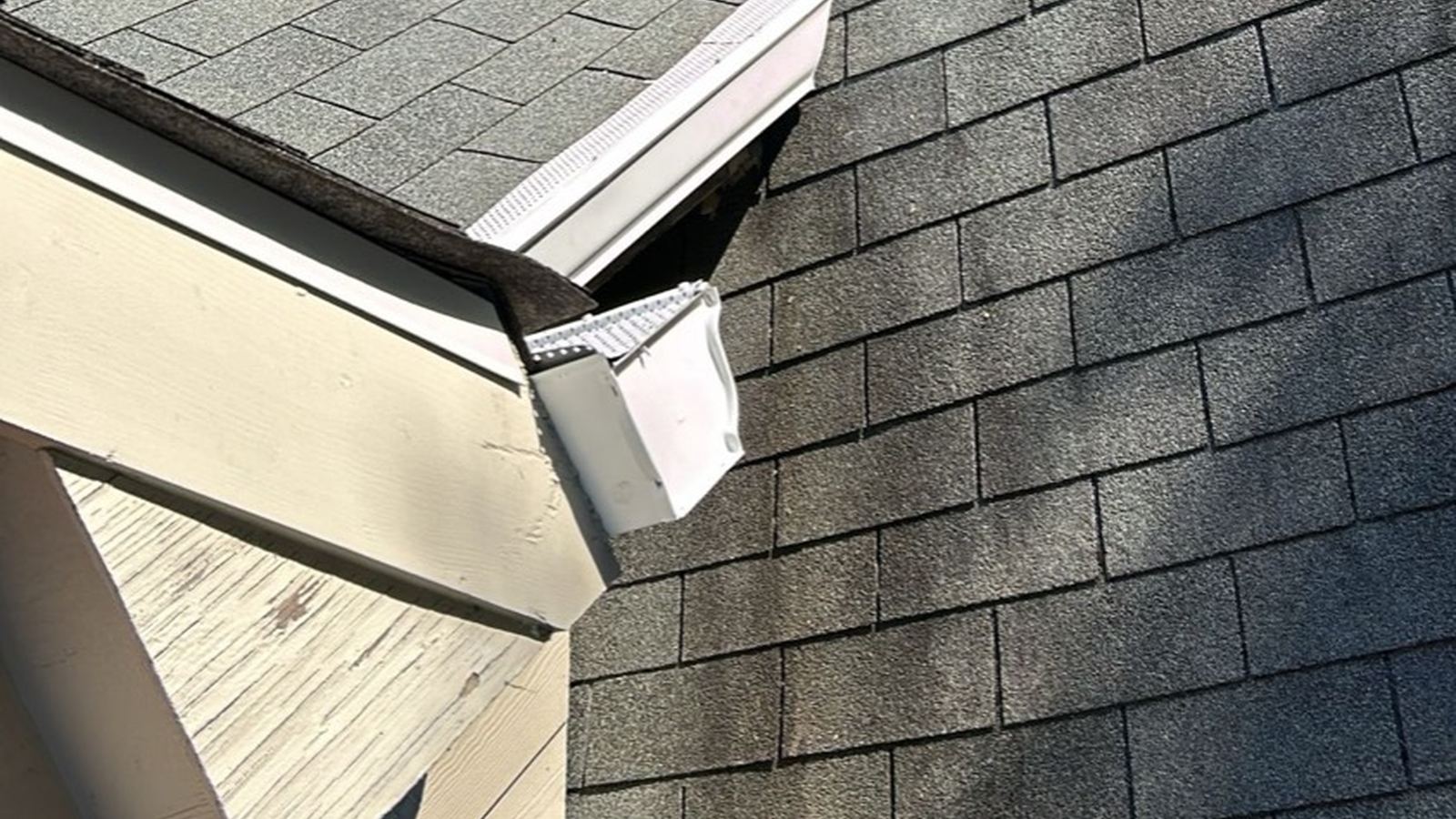
Living in Central Georgia means enjoying beautiful, mature landscapes filled with majestic oaks, towering pines, and vibrant maples. While these trees provide shade, beauty, and character to our neighborhoods, they also present a significant challenge for homeowners: a relentless assault of leaves, needles, and debris on our gutter systems. For homes in heavily wooded areas, keeping gutters clean can feel like a never-ending, and often risky, chore.
When gutters become clogged, they cannot do their job of directing rainwater away from your home. This leads to water overflow, which can cause a cascade of expensive problems, from a waterlogged foundation and eroded landscaping to rotted fascia boards and pest infestations. While frequent cleaning is one approach, a more effective, long-term solution is to install a high-quality gutter guard system.
But with so many types of gutter guards on the market, how do you choose the right one for your Central Georgia home? This comprehensive guide will explore the best gutter guard options, comparing their effectiveness against the specific types of debris found in our region, and help you make an informed decision to protect your home permanently.
The Unique Challenge of Central Georgia’s Trees
Before diving into the types of gutter guards, it’s essential to understand the specific debris your gutters are up against. Not all tree debris is created equal, and the right gutter guard for a home shaded by oak trees might not be the best for a home surrounded by pines.
- Large Leaves (Oaks, Maples, Magnolias): In the fall, these large leaves can quickly blanket a roof and fill an unprotected gutter in a matter of days. They are the most common cause of major blockages.
- Pine Needles: Pine needles are notoriously difficult for gutter protection systems. Their small, slender shape allows them to penetrate wider screens and mesh. Once inside, they interlock like puzzle pieces, forming dense dams that are difficult to dislodge and excellent at trapping water. Homes in areas like Forsyth and Lizella often contend with a year-round barrage of pine needles.
- Pollen, “Tassels,” and Seed Pods: In the spring, oaks and other trees release fine pollen and long, stringy catkins or “tassels.” This material can form a thick, sludge-like paste at the bottom of gutters, creating a base layer that catches other debris. Small seed pods, or “helicopters,” can also slip through wider openings.
- Small Twigs and Bark: After storms or on windy days, small branches, twigs, and pieces of bark litter the roof and find their way into the gutter channel, contributing to clogs.
- Shingle Granules: As asphalt shingles age, they shed their granules. These heavy, sand-like particles can accumulate in gutters, adding weight and impeding water flow.
An effective gutter guard for Central Georgia must be able to block this wide variety of debris, from large leaves to the finest pine needles and pollen, without impeding water flow during our region’s heavy downpours.
Comparing Gutter Guard Types: Pros and Cons
Gutter guards come in several different designs, each with its own set of advantages and disadvantages. Let’s break down the most common types to see how they stack up against the challenges of our local environment.
1. Foam and Brush Inserts
These are among the simplest and most affordable gutter guard options. They are designed to be inserted directly into the gutter channel.
- Foam Inserts: These are triangular wedges of porous foam that fill the entire gutter. The idea is that water can pass through the foam while leaves and debris are blocked and blow away.
- Brush Inserts: These look like giant pipe cleaners, with stiff bristles that fill the gutter. Water is meant to flow between the bristles, which are intended to catch leaves.
Pros:
- Inexpensive: They are often the cheapest option upfront.
- Easy DIY Installation: Most homeowners can install these themselves by simply cutting them to size and placing them in the gutters.
Cons for Central Georgia:
- They Clog Themselves: This is their biggest drawback. Instead of blocking debris from the gutter, they trap it in the gutter. The foam’s pores get clogged with pollen and dirt, and the brush bristles become entangled with leaves and pine needles.
- Creates a “Gutter Shelf”: Debris accumulates on top of the inserts, creating a damp, organic shelf. Seeds can germinate and grow directly on top of the gutter.
- Difficult to Clean: To clean them, you must remove the inserts, clean them out, and then clean the gutter itself before reinstalling them. This is often more work than cleaning a standard gutter.
- Reduces Water Flow: As the inserts get clogged, their ability to handle heavy rainfall diminishes significantly, leading to overflow during the intense storms common in Warner Robins and Macon .
- Durability Issues: Foam can degrade and crumble under the intense Georgia sun, and the metal wires in brush guards can rust over time.
Verdict: While appealing due to their low cost, foam and brush inserts are generally a poor long-term solution for the tree-dense areas of Central Georgia. They often create more problems than they solve.
2. Mesh Screens
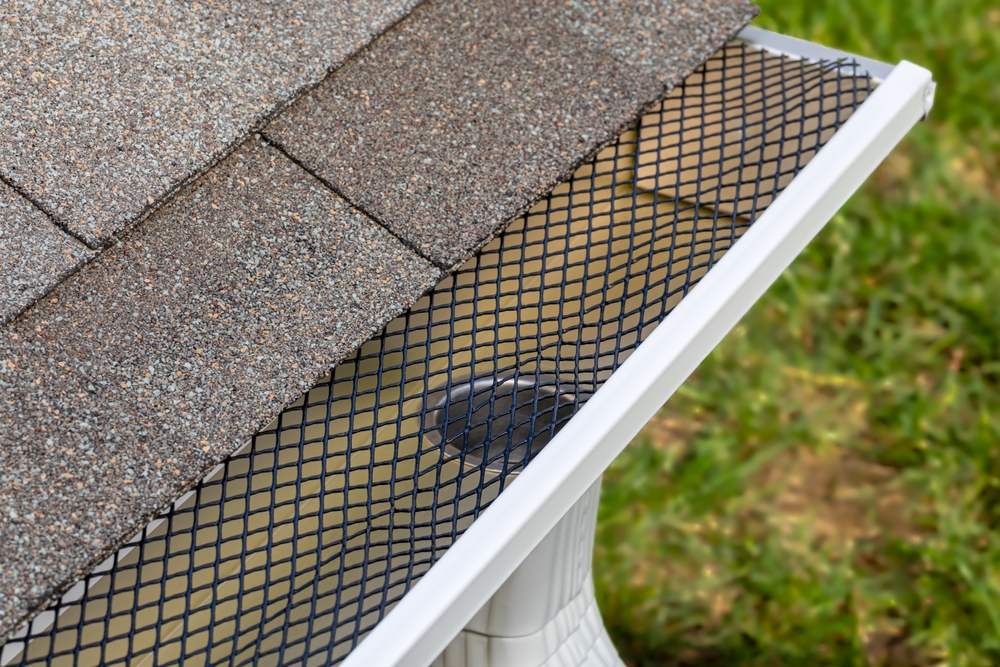
Mesh screens are a step up from inserts. These are typically flat or slightly curved panels of metal or plastic mesh that sit on top of the gutter. The openings in the mesh vary widely, from large diamond patterns to smaller-gauge screening.
Pros:
- Block Large Debris: They are effective at keeping large leaves and twigs out of the gutter channel.
- Relatively Inexpensive: High-quality metal screens are more expensive than foam but cheaper than premium systems.
- Good Water Flow (Initially): When clean, they allow plenty of water to enter the gutter.
Cons for Central Georgia:
- Struggle with Pine Needles: This is a critical failure point. Screens with larger holes do little to stop pine needles, which pass right through and create clogs inside the gutter.
- Debris Sits on Top: Leaves and needles don’t always blow off. They can lie flat on the screen, decompose, and create a layer of organic material that blocks water from entering. This requires you to get on a ladder and sweep the screens off, defeating the purpose of a low-maintenance system.
- Vulnerable to Damage: Cheaper plastic screens can become brittle and crack in the sun. Lightweight metal screens can be easily damaged by falling branches.
- Can Allow “Splash-Over”: In a heavy downpour, water can hit the screen and splash over the edge of the gutter instead of flowing through it, a significant concern during our summer thunderstorms.
Verdict: Mesh screens are a moderate solution. They work reasonably well for homes with only large-leaf trees but are not an effective choice for properties in Perry or Byron that have to deal with pine trees. They still require regular maintenance to clear the surface.
3. Reverse Curve (Surface Tension) Guards
Popularized by some well-known brands, these guards are designed as a solid, one-piece cover that curves over the top of the gutter and then back down, leaving a small horizontal opening along the front edge. The principle is based on surface tension: water clings to the curved surface and flows into the gutter, while leaves and debris are supposed to slide off the edge.
Pros:
- Keeps Gutters Clean: The solid cover is very effective at keeping the inside of the gutter free of all debris.
- Durable: They are often made from a single piece of heavy-gauge aluminum and are very sturdy.
Cons for Central Georgia:
- Ineffective in Heavy Rain: This is their Achilles’ heel, especially in our climate. During the intense, high-velocity downpours common in Central Georgia, water moves too fast to cling to the surface. It overshoots the opening and cascades to the ground, rendering the system useless when it’s needed most.
- Clogging of the Opening: The small opening can become clogged with pine needles, tassels, and other small, sticky debris, which requires cleaning.
- Pest and Bee Nests: The covered, protected channel is an attractive place for wasps, bees, and birds to build nests.
- Very Expensive: These are often proprietary, single-piece gutter-and-guard systems that require a full replacement and are among the most expensive options on the market.
- Steep Roofs are a Problem: Their performance degrades even further on homes with steeply pitched roofs, as water comes down with even greater velocity.
Verdict: Despite their high cost and clever design, reverse curve guards are generally not well-suited for Central Georgia’s climate due to their poor performance in heavy rain.
4. Micro-Mesh Gutter Guards
Micro-mesh systems are widely regarded by industry experts as the most advanced and effective type of gutter guard available today. These systems feature a fine screen, typically made of surgical-grade stainless steel, over a durable aluminum frame. The mesh has openings so small that they can block shingle granules and pine needles, but so numerous that they can accept large volumes of water.
Pros for Central Georgia:
- Blocks All Debris: This is their key advantage. The fine mesh effectively blocks large leaves, twigs, pine needles, oak tassels, and even shingle grit. Nothing gets into the gutter channel.
- Superior Water Handling: High-quality micro-mesh guards are engineered to handle extreme rainfall. They can often take on 2-3 times the amount of water recorded in the heaviest storms, preventing overflow even during a Georgia gully washer.
- Debris Blows Away: Because the mesh is smooth and nothing can penetrate it, leaves and debris stay on top where they dry out and are carried away by the wind. A slight pitch in the installation helps this process.
- Durability and Longevity: Built with stainless steel mesh and a sturdy aluminum frame, these systems will not rust, warp, or crack under the sun. They are a permanent, one-time installation.
- Pest-Proof: The solid, sealed design prevents birds, rodents, and insects from nesting in your gutters.
Cons:
- Higher Initial Investment: They are a premium product and have a higher upfront cost compared to screens or inserts. However, this cost is often offset by eliminating the need for paid cleaning services and preventing costly water damage repairs.
- Requires Professional Installation: For a micro-mesh system to perform correctly, it must be installed with the proper pitch and securely fastened. This is not a DIY product.
Verdict: For homeowners in Central Georgia, especially those in heavily wooded areas like Forsyth or Centerville , a professionally installed, high-quality micro-mesh gutter guard system is unequivocally the best choice. It is the only system that effectively addresses the full range of local debris while also handling our intense rainfall.
The Critical Importance of Professional Installation
Choosing the right type of gutter guard is only half the battle. The quality of the installation is just as important as the quality of the product. An improperly installed gutter guard will fail to perform and could even damage your roof or gutters.
Why Professional Installation Matters:
- Ensuring Correct Pitch: A key element of a successful micro-mesh installation is setting the guards at a slight downward angle, similar to your roofline. This “shedding” position helps leaves and debris slide off rather than sitting flat. A DIY installation often places the guards flat, which allows debris to accumulate.
- Addressing Pre-Existing Issues: Before installing any guard, the entire gutter system must be thoroughly cleaned, and the gutters and fascia boards must be inspected for damage. A professional installer will identify and repair any rotted wood, re-secure loose gutters, and ensure the system is in good shape before protecting it. Ignoring these issues and simply covering them with a guard is a recipe for disaster.
- Secure and Safe Fastening: Professionals use the correct fasteners and techniques to secure the guards to the gutter and fascia without damaging your roof shingles. Improperly installed guards can create gaps or, worse, void your roof’s warranty by nailing or screwing through the shingles.
- Custom Fit: Every home is different. Professionals have the tools and experience to custom-fit the guards around corners, skylights, and other roof features, ensuring a seamless and effective barrier against debris.
- Safety and Warranty: Gutter installation is dangerous work that involves climbing ladders and navigating rooflines. Hiring a professional from a reputable company in the Macon area not only keeps you safely on the ground but also typically comes with a warranty on both the product and the labor, giving you long-term peace of mind. Reliable services are available across the region, from Lizella to Warner Robins .
Making the Right Investment for Your Home
Your home is your most significant asset, and protecting it from water damage is a top priority. In the tree-dense environment of Central Georgia, unprotected gutters are a liability. They are a constant source of maintenance and a ticking time bomb for water-related damage.
While the upfront cost of a premium micro-mesh gutter guard system may seem high, it should be viewed as a permanent, one-time investment in your home’s health and your own peace of mind. It eliminates the recurring cost and danger of gutter cleaning and provides robust, reliable protection against the very real threat of foundation damage, wood rot, and basement flooding.
Don’t let another season of clogged gutters put your home at risk. If you are tired of the endless cycle of cleaning and worrying every time it rains, it’s time to explore a permanent solution. Contact a trusted local gutter expert to get a professional assessment and find out how a top-tier gutter guard system can safeguard your Central Georgia home for decades to come.
< Previous Next >
Written by
Michael Nungesser
Owner · Central Georgia
Owner of Top Rated Gutters of Central Georgia with 20+ years in home improvement across the state.