Most homeowners know they’re supposed to clean their gutters, but it’s one of those chores that’s easy to keep pushing off until “next month.” The problem is that neglected gutters don’t just stop working; they actively start causing damage, and the longer they’re ignored, the more expensive the consequences become. Here’s exactly what’s happening inside and around your home when your gutters are clogged.
10 THINGS THAT HAPPEN WHEN YOU DON’T CLEAN YOUR GUTTERS
1. Water Overflows and Damages Your Foundation
Gutters exist for one primary reason: to direct rainwater away from your home’s foundation. When they’re clogged, water spills over the sides and pools directly against your foundation walls. Over time, this saturates the soil, increases hydrostatic pressure, and can cause foundation cracking, settling, or water intrusion into your basement or crawl space. Foundation repairs are among the most expensive home repairs a homeowner will ever face, often running $5,000–$15,000 or more.
2. Gutters Sag and Pull Away from the House
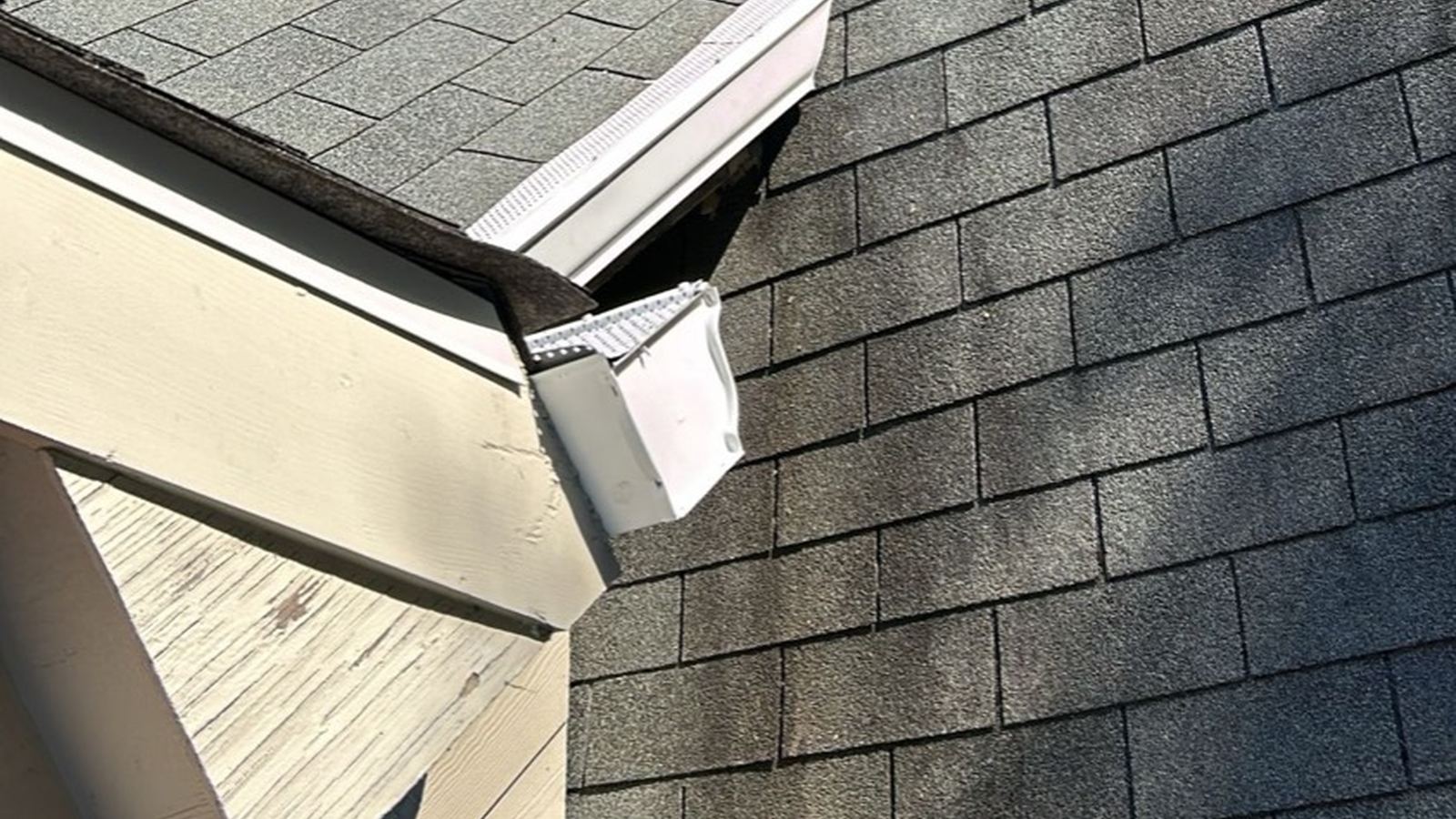
Water is heavy, one gallon weighs over 8 pounds. When gutters fill with standing water and waterlogged debris, that weight adds up fast and puts enormous strain on the hangers attaching the gutters to your fascia. Over time, hangers pull out, gutters begin to sag, and eventually sections pull completely away from the roofline. At that point, you’re not just cleaning gutters, you’re reattaching or replacing them.
3. Roof Damage and Rot from Standing Water
Clogged gutters can cause water to back up under your shingles, particularly at the eaves, where the roof meets the gutter system. This standing water begins to rot the roof decking and underlayment, eventually requiring expensive shingle removal and decking replacement. What would have been a $150 gutter cleaning can turn into thousands in roof repairs.
4. Basement Flooding
In addition to foundation damage, overflowing gutters frequently lead directly to water in the basement. When water isn’t channeled away from the house, it follows the path of least resistance, often right into basement window wells, cracks in the foundation, or through the joint where the foundation wall meets the floor. Even “finished” basements with waterproofing can be overwhelmed when surface drainage fails.
5. Mold and Mildew Growth
Standing water in gutters and the resulting moisture intrusion into walls, soffits, and basements creates the perfect conditions for mold and mildew. Mold doesn’t stay in the walls, it circulates through your home’s air and can create serious health problems, particularly for those with allergies, asthma, or respiratory conditions. Mold remediation is costly, disruptive, and completely avoidable with regular gutter maintenance.
6. Mosquitoes and Pests Breed in Stagnant Water
Even a small amount of standing water in a clogged gutter is enough for mosquitoes to breed, mosquitoes can complete their lifecycle in as little as 10 days and need only an inch of water to do it. But mosquitoes aren’t the only concern. Decomposing organic matter in gutters also attracts cockroaches, ants, and other insects, and birds or rodents may nest in the debris. Gutters that back up against the fascia can give mice or squirrels easy access to your attic.
7. Ice Dams in Winter
In colder climates, clogged gutters set the stage for ice dams, one of the most destructive winter home hazards. When gutters are blocked with debris, water pools and freezes. That ice expands, pushing back under the shingles and forcing melt water into the attic and interior walls. Ice dam damage can ruin insulation, ceilings, and walls, and is often not covered by standard homeowners insurance policies. Regular fall cleaning is the primary prevention.
8. Landscape Erosion from Overflow
When water pours over the sides of clogged gutters, it doesn’t just sit harmlessly on the ground, it lands with force and volume that erodes mulch, soil, and landscaping beds right below the roofline. Over years, this creates channels and washed-out areas in your yard, destroys carefully planted flower beds, and can kill shrubs and plants that become waterlogged. Replacing mature landscaping is both expensive and time-consuming.
9. Fascia and Soffit Rot
The fascia board, the trim board running along the edge of your roofline where gutters attach, is constantly exposed to moisture when gutters overflow or back up. Over time, this leads to fascia rot, which weakens the board and compromises the attachment point for the gutters themselves. Soffit rot (on the underside of the overhang) often follows, and once rot spreads, you’re looking at wood replacement before new gutters can even be installed. Customers in the Atlanta area dealing with this issue can reach out to Top Rated Gutters (topratedgutters.com/atlanta/) for help assessing the extent of damage and getting repairs on the right track.
10. Full Gutter Replacement Becomes Necessary
Here’s the expensive bottom line: a gutter system that is consistently neglected won’t be repaired, it will need to be replaced entirely. Sagging sections, detached hangers, rotted fascia, and seam failures all compound until the system is beyond what repairs can address. A full gutter replacement on a typical home runs $1,500–$3,500 or more. Compare that to a routine cleaning that costs $100–$250, done twice a year. The math is simple.
Ready to Get Started: Gutter Cleaning?
Don’t wait until clogged gutters become a foundation problem, a mold issue, or a full replacement. Regular cleaning is simple, affordable, and the best way to protect your home.
👉 Schedule your gutter cleaning today at topratedgutters.com/gutter-cleaning/
—
Frequently Asked Questions: Gutter Cleaning
How often should you clean your gutters?
Most homes should have their gutters cleaned at least twice a year, once in the spring after trees finish flowering and dropping seeds, and once in the late fall after leaves have dropped. Homes surrounded by pine trees or heavy tree cover may need cleaning three to four times per year, since pine needles shed year-round and break down into a dense, water-retaining mat inside gutters.
What are the signs of clogged gutters?
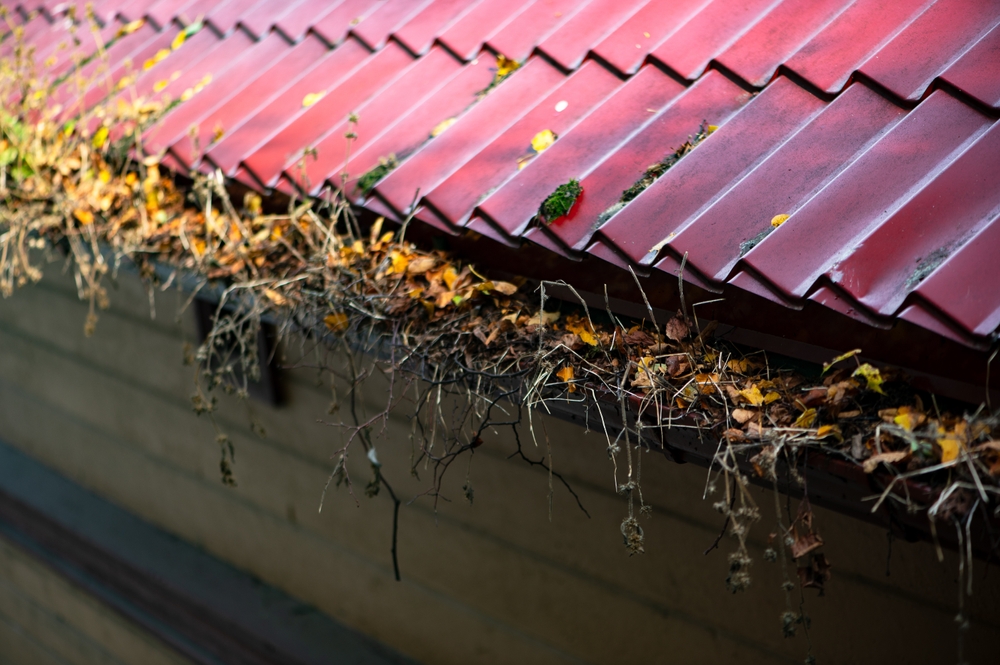
The most visible sign is water spilling over the sides of the gutters during rain instead of flowing through the downspouts. Other signs include: visible plant growth or debris overflowing from the gutter, sagging sections, staining on the siding below the gutter line, water pooling near the foundation after rain, or no water coming out of the downspouts during a storm.
Can clogged gutters cause foundation problems?
Yes, this is one of the most serious and costly consequences of neglected gutters. When gutters overflow and direct water against the foundation, the soil becomes saturated and hydrostatic pressure builds against the foundation walls. Over time, this can cause cracking, bowing, and settlement. Even in cases where the foundation doesn’t crack, persistent moisture can seep through porous concrete block or mortar joints and cause chronic basement water issues.
How much does gutter cleaning cost?
Gutter cleaning costs typically range from $100 to $250 for a standard single-family home, depending on the home’s size, roof height, and how clogged the gutters are. Homes with multiple stories, complex rooflines, or gutters that haven’t been cleaned in years may cost more. Many companies offer annual service agreements at a discount for twice-yearly cleanings.
< Previous Next >
Written by
Scott Specker
Owner · Northeast Georgia
Owner of Top Rated Gutters of Northeast Georgia, serving Cumming, Alpharetta and surrounding communities.