
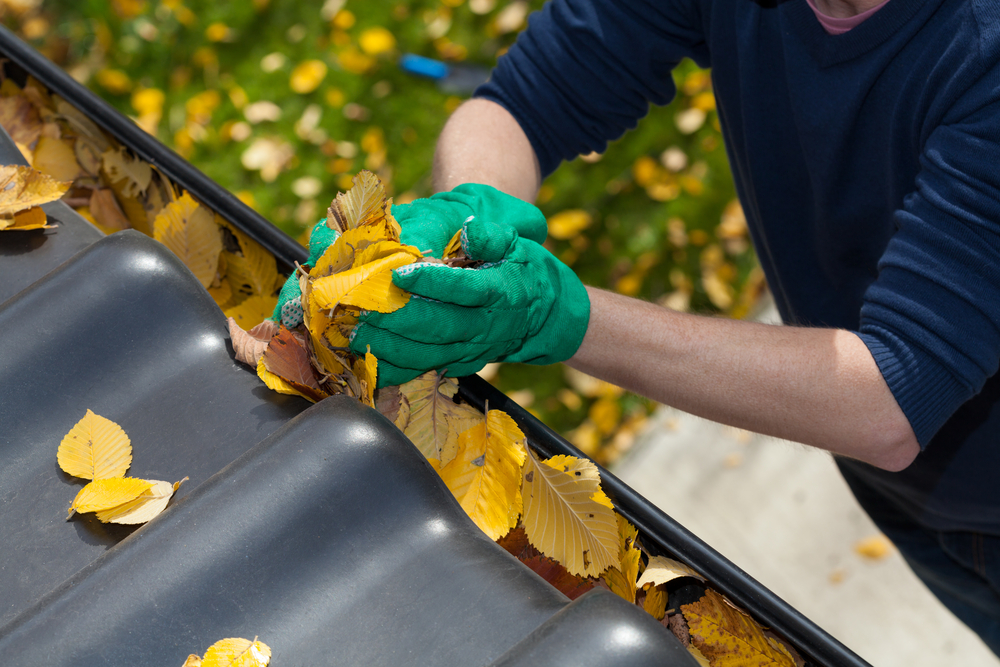
Most homeowners know they should maintain their gutters, but “I’ll get to it eventually” has a way of turning into a clogged disaster by the time the next big storm rolls through. Having an actual schedule turns gutter maintenance from a vague intention into a simple, manageable routine. Follow this season-by-season guide and your gutters will earn their keep for years to come.
WHY A MAINTENANCE SCHEDULE MATTERS
Gutters are one of those home systems that only get noticed when they fail, and by the time they fail, the damage is usually already done. A structured maintenance routine prevents the overflow, rot, foundation problems, and pest issues that result from neglected gutters. It also extends the life of the gutter system itself, helping you avoid premature replacement. Think of it the same way you’d think about changing your furnace filter or servicing your HVAC, small regular maintenance prevents large, unexpected expenses.
SPRING CHECKLIST
Spring is your first major maintenance window after winter, and it’s important. Here’s what to address:
– Schedule professional gutter cleaning and clean out gutters thoroughly . Winter debris, twigs, and decomposed leaves build up over the cold months. Clear everything out and flush the gutters with a hose to check flow.
– Check for winter damage. Freeze-thaw cycles can crack seams, bend hangers, and pull gutters away from the fascia. Walk the perimeter and look for any sagging sections or gaps.
– Inspect downspouts. Make sure downspouts are clear and that water exits away from the foundation. Check downspout extensions and splash blocks.
– Look for standing water. After flushing, watch for spots where water pools in the gutter channel instead of flowing toward the downspout, this indicates improper slope and may need adjustment.
– Check fascia and soffit. Now that winter is over, look for any soft spots, rot, or paint peeling along the fascia. Early rot is much cheaper to fix than rot that’s spread.
SUMMER CHECKLIST
Summer is the lightest maintenance season for gutters, but don’t skip it entirely.
– Spot-check after major storms. Summer thunderstorms can deposit large amounts of debris, especially if you have nearby trees. A quick visual check after a big storm can catch blockages before they become problems.
– Check for pest activity. Warmer months bring insects and birds looking for nesting spots. Look for signs of nesting material in gutters or entry points near the roofline.
– Monitor downspout drainage during rain. If you notice water backing up or spilling over during a rain event, that’s a signal for a mid-season cleaning.
– Trim overhanging branches. If tree limbs hang directly over your roofline, summer is a good time to trim them back before fall leaf season begins. Less tree coverage means fewer leaves in your gutters.
FALL CHECKLIST (MOST IMPORTANT)
Fall is unquestionably the most critical gutter maintenance season. Leaves are the primary culprit in clogged gutters, and the volume that accumulates between October and December can be staggering.
– Wait until leaves have mostly finished falling before your main fall cleaning. Cleaning too early just means doing it twice.
– Do a thorough cleaning, this is your most important cleaning of the year. Remove all debris, flush the gutters completely, and verify all downspouts are clear.
– Check hanger spacing and tighten any loose hangers. Before winter sets in, make sure your gutters are securely attached. Winter ice adds significant weight.
– Inspect all seams and joints for gaps or separation. Seal any open seams with gutter sealant before freezing temperatures arrive, water in an open seam will freeze, expand, and widen the gap.
– Verify downspout extensions are in place and directing water at least 4–6 feet from the foundation. This is especially important heading into a wet winter or spring thaw.
In areas like Central Georgia, where fall can bring heavy leaf drop from oak and sweet gum trees, getting a thorough cleaning done in November before winter rains begin is essential. The team at Top Rated Gutters serving Central Georgia (topratedgutters.com/central-georgia/) can handle fall cleanings and inspections to make sure your system is ready for the rainy season.
WINTER CHECKLIST
For most of the country, winter is about monitoring rather than active maintenance.
– Watch for ice dams. After a heavy snowfall, check to see if ice is forming at the edge of your roof or in your gutters. Ice dams can force water back under your shingles. If ice dams form repeatedly, it may indicate insufficient attic insulation or a ventilation issue, not just a gutter problem.
– Don’t try to chip ice out of gutters. Using tools to break up ice in gutters often causes more damage than the ice itself. Let it thaw naturally or call a professional.
– Check downspouts after a thaw. Make sure downspouts aren’t frozen solid. A frozen downspout can back water up into the gutter and cause overflow or ice dam formation.
– Do a visual inspection from the ground periodically. After heavy ice or snow loads, look for any gutters that appear to have pulled away from the fascia or are visibly sagging.
SIGNS YOU NEED PROFESSIONAL HELP
Some gutter issues go beyond DIY maintenance and may require a professional gutter tune-up. Call a professional when you see:
– Gutters pulling away from the fascia or visibly sagging in multiple spots
– Visible rot on the fascia or soffit boards
– Water staining on siding, brick, or the foundation
– Recurring overflow despite gutters that appear clear
– Downspouts that are buried or connected to underground drainage with unknown blockages
– Any work that requires being on a ladder on a steep or two-story roofline (safety first)
WHEN TO CONSIDER GUTTER GUARDS
If you find yourself cleaning your gutters three or four times a year, or if you have significant tree coverage that makes maintenance a constant battle, gutter guards may be worth the investment. Quality gutter guards reduce the frequency of cleanings significantly by keeping leaves and debris out of the gutter channel. They’re not entirely maintenance-free, a yearly checkup is still a good idea, but they can dramatically reduce the labor and cost of gutter upkeep over time. Ask your gutter professional whether gutter guards make sense for your specific tree coverage and gutter configuration.
Ready to Get Started: Gutter Maintenance?
Whether you need a one-time cleaning before winter or want to set up a recurring maintenance plan, our team makes it easy to keep your gutters performing all year long.
👉 Book your gutter cleaning at topratedgutters.com/gutter-cleaning/
—
Frequently Asked Questions: Gutter Maintenance
How many times a year should gutters be cleaned?
Most homes need their gutters cleaned twice a year, once in spring and once in fall. Homes with heavy tree coverage (especially oak, maple, or pine) may need three to four cleanings per year. A good rule of thumb: if you notice debris building up between your scheduled cleanings, add a cleaning. It’s always cheaper to clean than to repair the damage from a clogged system.
What month should I clean my gutters?
For the spring cleaning, aim for April or May, after trees have finished dropping seeds and flower debris but before summer storms arrive. For fall, wait until late October or November, after the bulk of leaf fall is complete in your area. Cleaning too early in fall (like September) often means the gutters fill right back up with leaves before winter.
What should be included in a gutter inspection?
A thorough gutter inspection should cover: gutter channel cleanliness and debris level, slope and alignment (checking for sags or low spots that cause standing water), hanger and fastener condition, seam and joint integrity, fascia and soffit condition behind and beneath the gutters, downspout flow and extension placement, and the condition of splash blocks or underground drainage connections. A professional inspection often catches issues that aren’t visible from the ground.
Do gutter guards eliminate the need for cleaning?
Not entirely, but they significantly reduce it. Quality gutter guards (micromesh designs being among the most effective) keep the vast majority of debris from entering the gutter channel. However, fine debris like pollen, shingle grit, and seeds can still accumulate over time. Most homeowners with gutter guards can go from cleaning twice a year to once every one to two years, which represents significant savings in time and money. The quality of the guard matters a great deal, cheaper foam or screen guards often cause more problems than they solve.
< Previous Next >
Written by
Scott Specker
Owner · Northeast Georgia
Owner of Top Rated Gutters of Northeast Georgia, serving Cumming, Alpharetta and surrounding communities.