Cleaning out clogged gutters is a miserable and dangerous chore. If you have tall trees around your house, you probably spend several weekends a year up on a ladder scooping out rotting leaves, pine needles, and muck. Leaving that debris in your gutters leads to water backing up under your roof, overflowing onto your foundation, and causing thousands of dollars in water damage.
That is why so many homeowners start looking into gutter guards . Putting a barrier over your gutters sounds like a simple fix. But once you start shopping around, the sheer number of options can feel overwhelming. You will see everything from cheap plastic inserts at the hardware store to premium metal systems installed by contractors.
At Top Rated Gutters, we spend every day inspecting roofs, installing seamless gutters, and talking to homeowners about their drainage problems. We know firsthand that not every guard works for every house. The trees in your yard, the pitch of your roof, and your budget all play a role in finding the right fit.
This guide will explain the different types of gutter guards available today. We will walk through how each type works, the honest pros and cons, and how to choose the right system to protect your home.
What Are the Different Types of Gutter Guards?
When you look at the market, the types of gutter guards generally fall into a few main categories. While every manufacturer has their own patented design or special name, almost all gutter protection systems use one of these core materials and shapes.
Understanding the different gutter guard types makes it much easier to cut through the marketing noise. The most common gutter guard styles include mesh, micro-mesh, screen, foam, and reverse curve. Some of these gutter guard options sit completely flat inside the gutter, while others snap onto the top or slide under your roof shingles.
Let’s break down each of these systems so you know exactly what you are looking at.
Mesh Gutter Guards
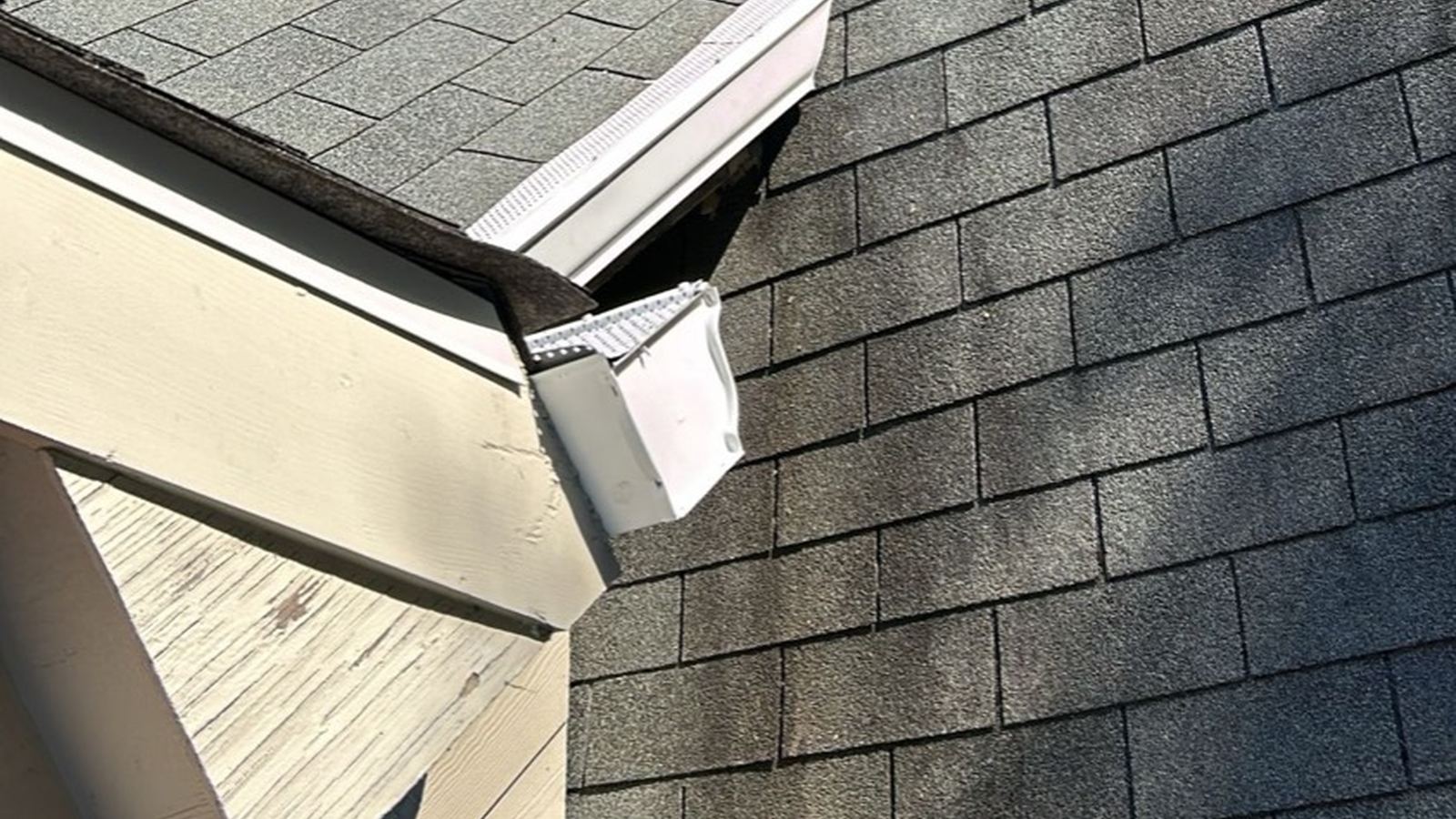
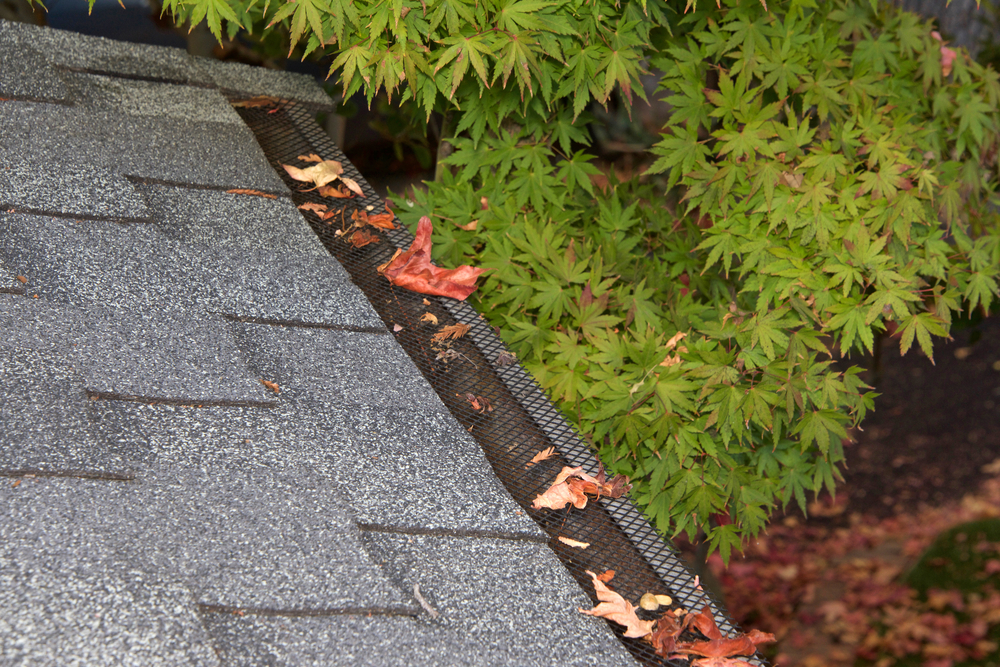
Mesh gutter guards are one of the most common solutions you will find. They are made from sheets of metal or durable plastic punched with hundreds of small holes. You can think of them like a colander you use in the kitchen.
If you are looking at metal mesh gutter guards, they are usually made from aluminum or steel. They screw or snap directly onto the top of your gutters, creating a flat or slightly angled barrier.
How Mesh Gutter Guards Work
The concept is straightforward. Water flows off your roof, hits the mesh, and drops through the holes into the gutter below. Leaves, twigs, and large debris are too big to fit through the holes, so they sit on top of the mesh until the wind blows them away.
Pros of Mesh Gutter Guards
Mesh gutter guards do an excellent job of keeping large leaves out of your trough. Because they are typically made of metal, they are durable and can withstand heavy rain and snow. When looking at mesh gutter guard cost, they sit right in the middle of the pack, offering a solid balance between price and performance.
Cons of Mesh Gutter Guards
The main drawback when looking at mesh gutter guard pros and cons is the hole size. Standard mesh holes are usually large enough to let pine needles, maple seeds (helicopters), and roof shingle grit pass through. Over time, these small items can build up in your gutters and create a sludge that needs to be cleaned out. Also, wet leaves can sometimes stick flat to the top of the mesh, temporarily blocking water from getting through.
Best Homes for Mesh Gutter Guards
These guards are great for homes surrounded by broadleaf trees like oak or maple. If you just need to keep big, bulky leaves out of your system and you do not have pine trees dropping fine needles everywhere, standard mesh is a solid choice.
Micro-Mesh Gutter Guards
Micro-mesh takes the standard mesh concept and upgrades it. Instead of a sheet of metal with punched holes, micro mesh gutter guards use a woven screen. The holes in this screen are incredibly tiny, often small enough that a grain of sand cannot pass through them.
The best micro mesh gutter guards use a surgical-grade stainless steel micro mesh wrapped around an aluminum frame. This makes them incredibly strong and resistant to rust.
How Micro-Mesh Gutter Guards Work
Like standard mesh, water flows over the guard and drops through the tiny holes. The difference is that the holes are so small that absolutely nothing but water can get into your gutter. When comparing micro mesh vs mesh gutter guards, the micro-mesh physically blocks pine needles, roof grit, pests, and seed pods from entering the trough.
Pros of Micro-Mesh Gutter Guards
Stainless steel micro mesh gutter guards offer the highest level of filtration on the market. They keep your gutters completely empty of debris. They are highly durable, handle massive amounts of rainfall without overflowing, and require very little maintenance.
Cons of Micro-Mesh Gutter Guards
Because of the high-quality materials and complex manufacturing, these guards are usually the most expensive option. They almost always require professional installation because they need to be angled perfectly with your roof pitch to work right. You also might need to take a brush to the top of them once every few years if fine algae or tree sap builds up on the screen.
When Micro-Mesh Is the Best Choice
If you have pine trees, heavily shedding trees, or want a “one and done” solution, this is the way to go. It is the ultimate defense against all types of yard debris.
Screen Gutter Guards
Screen gutter guards look very similar to the screens on your home’s windows. They are usually made of plastic, wire, or thin aluminum screen gutter guards. You will often see these stacked in the aisles of big-box hardware stores.
How Screen Gutter Guards Work
These gutter screen covers usually come in short three-foot sections. You simply slide one edge under your bottom row of roof shingles and snap the other edge onto the front lip of the gutter. Water drops through the screen, and large leaves stay out.
Pros of Screen Gutter Guards
The biggest advantage is the price. They are very cheap to buy. They are also highly DIY-friendly. You do not need any special tools to install them, making them an easy weekend project for a homeowner on a tight budget.
Cons of Screen Gutter Guards
Looking at screen gutter guards pros cons, durability is a major issue. Thin plastic and wire screens warp in the hot summer sun and crack in the winter freezing. Because they just slide under the shingles without being screwed down, strong winds can easily blow them completely off the house. They are also easily crushed by heavy snow or falling branches.
Best Use Cases for Screen Guards
Screen guards are best used as a temporary, low-cost fix. If you are planning to replace your gutters entirely in a year or two and just need a cheap way to keep leaves out for the current autumn season, screens can do the job.
Foam Gutter Guards
Foam gutter guards are exactly what they sound like. They are long, triangular blocks of porous polyurethane foam that sit directly inside your gutter trough.
How Foam Gutter Guards Work
You just take the gutter foam inserts and press them into the gutter. They fill up the entire space. Because the foam is porous, water flows through the foam block and out the downspout. Leaves and debris simply sit on top of the foam block because there is no room for them to enter the gutter.
Pros of Foam Gutter Guards
These are arguably the easiest guards to install. You just push them in. There are no screws, no lifting shingles, and no tools required. They also completely block mosquitoes from breeding in your gutters because there is no standing water exposed.
Cons of Foam Gutter Guards
Are foam gutter guards worth it? For most homeowners, the answer is no. When reviewing foam gutter guards pros cons, the negatives pile up quickly. Pine needles and seeds get stuck directly inside the pores of the foam. As that debris breaks down, plants and weeds will literally start growing out of the foam. Furthermore, the foam acts like a sponge, holding moisture against your metal gutters which can cause rust. In heavy downpours, the foam often cannot process the water fast enough, causing it to cascade over the sides.
When Foam Gutter Guards Make Sense
They make sense in very specific, short-term situations. If you have a specific section of gutter that is incredibly hard to reach and you need a quick DIY fix before a storm, foam can work temporarily. But they are not a viable long-term solution.
Reverse Curve (Surface Tension) Gutter Guards
Reverse curve gutter guards , also known as surface tension gutter guards or hooded gutter guards, look completely different from the rest. Instead of a flat, porous surface, they feature a solid metal or plastic hood that covers the entire gutter. The front edge curves downward and tucks back into the gutter opening.
How Reverse Curve Gutter Guards Work
These guards rely on water surface tension. As rainwater flows down your roof, it clings to the solid hood. It follows the curve around the front edge and drops backward into the gutter. Because leaves and debris do not cling to the surface, they simply shoot straight off the edge and fall to the ground.
Pros of Reverse Curve Gutter Guards
They are fantastic at keeping large leaves out of your system. Because there are no holes on the top, nothing can drop straight down into the trough. They are also very rugged and can handle massive snow loads without collapsing.
Cons of Reverse Curve Gutter Guards
The reverse curve gutter guard cost is quite high, as they are a premium, professionally installed product. The biggest functional drawback is heavy rain. In a torrential downpour, the water moves too fast to cling to the curve, so it shoots right over the edge like a waterfall. They can also become a nice dry home for bees and wasps. Finally, they are very visible from the street, which changes the look of your roofline.
Best Homes for Reverse Curve Guards
These are great for homes in areas with moderate rainfall and heavy, large-leaf tree coverage. If you get standard, steady rain and have a lot of oak trees, a hooded system performs very well.
Which Type of Gutter Guard Is Best?
Homeowners ask us this question every week. The truth is, there is no single best type of gutter guard for every single house. Determining which gutter guard is best depends entirely on your yard, your weather, and your budget.
Here is how the best gutter guards stack up in different real-world scenarios.
Best for Heavy Leaves
If your yard is full of large broadleaf trees like oak, maple, and sycamore, your biggest enemy is bulk. In this case, reverse curve and standard mesh are highly effective. They easily shed large debris and keep your system flowing.
Best for Pine Needles
Pine needles are the ultimate test for any gutter system. They easily pierce screens and get stuck in standard mesh holes. The absolute best gutter guards for pine needles are stainless steel micro-mesh . The tiny pores keep the needles out completely.
Best for Low Maintenance
If your goal is to stay off the ladder permanently, you want micro-mesh . Because it blocks shingle grit and small seeds alongside large leaves, it requires the least amount of physical cleaning out of all the types available.
Best Budget Option
If you are looking for a quick fix that will not break the bank, drop-in screen gutter guards are your best bet. Just be prepared to replace them if they get damaged by ice or high winds.
Best Long-Term Solution
For durability, warranties, and overall performance across decades, professionally installed micro-mesh or heavy-gauge reverse curve systems take the crown. They cost more upfront but pay for themselves by preventing water damage and eliminating professional cleaning fees.
Choosing a Gutter Guard Based on Budget
The right gutter guard is not always the most expensive option. For many homeowners, the best choice comes down to balancing upfront cost, maintenance requirements, and long-term performance.
Best Budget Gutter Guards
Basic screen gutter guards are usually the most affordable option available. They can help block large leaves and reduce how often gutters need to be cleaned, making them a practical short-term solution for homeowners working within a limited budget. However, they typically require more maintenance and may need replacement sooner than higher-end systems.
Best Mid-Range Gutter Guards
Standard aluminum mesh guards provide a strong balance between performance and affordability. They block most common debris, allow good water flow, and offer greater durability than plastic screens. For many homes with moderate tree coverage, mesh guards provide solid value without the higher cost of premium systems.
Best Long-Term Gutter Guard Investment
Homeowners looking for the lowest maintenance and highest level of protection often choose professionally installed micro-mesh systems. While the initial investment is higher, these systems are designed to keep out everything from large leaves to pine needles and roof grit, reducing future maintenance and helping protect gutters for many years.
Professional Gutter Guard Installation vs DIY Types
When choosing how to protect your home, you have to decide between professional gutter guard installation and buying materials off the shelf.
DIY gutter guards vs professional systems usually comes down to material quality. Hardware store guards are almost always plastic or thin aluminum. They are built to be easy to cut and snap together for the average homeowner. However, they rarely come with long-term warranties and often fail after a few harsh winters.
Professionally installed gutter guards are built from thick aluminum, steel, and surgical-grade mesh. Contractors have the tools to bend the metal perfectly to your roof’s pitch. More importantly, when you hire a professional, the work is warrantied. If a storm damages the guard or if the gutters ever clog, the contractor comes out to fix it.
How to Choose the Right Gutter Guard for Your Home
Picking the right system requires looking at your specific property. Here are the four factors you need to evaluate.
Tree Coverage Around Your Home
Look up. Are your trees dropping big, flat leaves, or fine, sticky pine needles? Big leaves require systems that allow high water flow without letting bulk in. Fine debris requires micro-mesh to act as a strict filter.
Roof Pitch and Water Flow
If you have a very steep roof, water travels down it very fast. Fast-moving water will shoot right over the top of reverse curve guards and some dense micro-mesh guards. You need a guard designed to handle high-velocity runoff.
Gutter Size and Type
Do you have standard 5-inch gutters or oversized 6-inch gutters? Are they K-style or half-round? Not all guards fit all gutters. Foam and cheap screens often only fit standard 5-inch K-style troughs.
Maintenance Expectations
Be honest with yourself about maintenance. No guard is 100% maintenance-free forever. Even the best systems might need a quick sweep with a brush on a telescoping pole every few years to clear off sticky tree sap. If you want zero maintenance, you need to budget for the highest-tier systems.
Get Help Choosing the Best Gutter Guards
Upgrading your home with a gutter protection system is a smart investment that protects your foundation, siding, and roof from costly water damage. Whether you are leaning toward a heavy-duty mesh or a seamless hooded system, getting the right fit matters.
If you are tired of cleaning out muck and want to explore your options, we are here to help. At Top Rated Gutters, we specialize in professional gutter guards tailored to your specific roof and yard environment. Our team will inspect your current setup, discuss the trees around your property, and recommend the best system for your needs.
Do not wait until the next big storm to realize your gutters are clogged. Reach out today to learn more about our gutter guard installation services. We will help you install gutter guards that look great, perform flawlessly, and keep you off the ladder for good.
< Previous Next >
Written by
Michael Nungesser
Owner · Central Georgia
Owner of Top Rated Gutters of Central Georgia with 20+ years in home improvement across the state.