



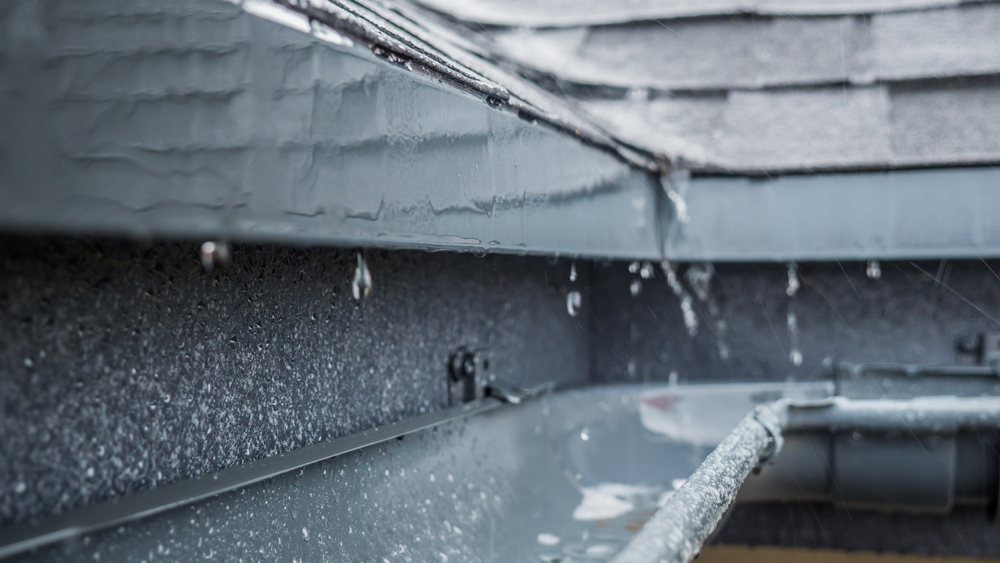
Water is essential for life, but it is also one of the most destructive forces your home can face. For homeowners in Northwest Georgia, where heavy rainfall and high humidity are a year-round reality, the threat of water damage is constant and significant. While many associate water damage with catastrophic events like burst pipes or river flooding, the most common and insidious source of damage comes from a much smaller, often-neglected system: your gutters.
A properly functioning gutter system is your home’s first and most important line of defense against rainwater. Its job is simple but critical: capture the immense volume of water that hits your roof and safely channel it away from your house. When this system fails, the water is left to attack your home’s most vulnerable points, from the foundation to the roofline.
This comprehensive guide will detail how a proper gutter system is the key to preventing water damage in homes across Northwest Georgia, from Marietta to Ball Ground. We will explore the specific risks our region faces, how failing gutters cause them, and what practical steps you can take to ensure your home is protected. If you’re looking for professional insight or hands-on assistance, you can also explore gutter services in Marietta, GA and throughout local communities such as Kenensaw, Smyrna, Acworth, or Woodstock.
The Unseen Enemy: How Rainwater Threatens Your Home
The beautiful, lush landscape of Northwest Georgia is a direct result of our generous rainfall. However, the same storms that nourish our forests can wreak havoc on our homes. An average 1,500-square-foot roof can shed nearly 1,000 gallons of water for every inch of rain. During a typical intense thunderstorm in our region, that’s thousands of gallons of water that need to be managed in a very short time. If your gutters aren’t up to the task, that water will cause damage in several key areas.
Threat #1: Foundation Damage and Structural Failure
This is the most severe and expensive consequence of improper water management. When gutters overflow or downspouts dump water directly at the base of your house, the soil around your foundation becomes oversaturated. This creates two major problems:
- Hydrostatic Pressure: The waterlogged soil becomes heavy and exerts immense lateral (sideways) pressure against your foundation walls. This force can cause foundation walls to bow inward and develop horizontal cracks. Over time, this can lead to catastrophic structural failure, requiring repairs that can cost tens of thousands of dollars.
- Soil Erosion and Settling: Concentrated streams of water can erode the soil that supports your foundation. As this supportive soil washes away, parts of your foundation can begin to sink or settle. This uneven settling causes significant structural stress, leading to vertical cracks in the foundation, sticking doors and windows, and cracked drywall throughout your home. Correcting a settled foundation is an extensive and costly process. Homes in areas with clay soil, common around Dallas and Powder Springs, are particularly susceptible to these issues.
Threat #2: Basement and Crawlspace Flooding
As water pools around your foundation, it will inevitably seek a way inside. It exploits the tiniest cracks and joints in your foundation walls and floor slab, leading to water intrusion.
- Flooding and Property Loss: Even a small amount of water in your basement can ruin carpets, furniture, electronics, and stored personal items. A major flood can lead to devastating losses.
- Mold and Mildew Growth: The biggest long-term threat from a wet basement or crawlspace is mold. Mold can begin to grow on damp surfaces in as little as 24-48 hours. Not only does mold cause further damage to building materials, but it also releases spores into the air that can cause serious respiratory problems, allergies, and other health issues for your family. Remediation can be a complex and expensive process. The high humidity in our region, especially in communities like Smyrna and Mableton, creates a perfect breeding ground for mold.
Threat #3: Rotting Wood and Exterior Damage
The damage from overflowing gutters starts at the top. The water that spills over the sides of a clogged gutter directly attacks the wooden components of your roofline.
- Fascia and Soffit Rot: The fascia is the board your gutters are mounted to, and the soffit is the underside of the roof’s overhang. Constant exposure to water causes these wooden components to rot. Rotting fascia can no longer support the weight of the gutter system, leading to sagging and eventual collapse. Rotted soffits can create openings for pests like squirrels, birds, and insects to enter your attic.
- Siding and Sheathing Damage: Water running down the side of your house can get behind the siding. This trapped moisture rots the wooden sheathing underneath, compromising the structural integrity of your walls. It also causes paint to peel, siding to warp, and ugly staining on your home’s exterior. This is a common issue for which homeowners seek gutter services in Kennesaw and surrounding areas.
Threat #4: Landscape Destruction and Pest Infestations
The damage isn’t confined to your house. The concentrated waterfalls from overflowing gutters can destroy your landscaping.
- Erosion: The force of the water can carve deep trenches in your yard, wash away expensive mulch and topsoil, and kill plants and flowerbeds. This erosion often directs even more water toward your foundation, compounding the problem.
- Pest Haven: The pools of stagnant water around your home and the damp, sludgy debris inside a clogged gutter are ideal breeding grounds for mosquitoes. A single clogged gutter can produce thousands of mosquitoes, making your yard unusable. If you notice these problems occurring, it may be time to contact gutter professionals in Acworth or Cartersville for prompt intervention.
The Solution: A High-Performance Gutter System
Preventing all this damage starts with recognizing that your gutters are not just an accessory; they are a crucial water-diversion system. A “proper” gutter system for Northwest Georgia must be designed to handle our specific challenges: heavy rainfall and abundant debris. This involves several key components.
1. Correct Gutter Sizing for High-Volume Rainfall
Many homes are built with standard 5-inch K-style gutters. While this might be sufficient in drier climates, it’s often inadequate for the intense downpours we experience.
- The 6-Inch Gutter Advantage: Upgrading to wider, 6-inch gutters is one of the most effective ways to prevent overflow. A 6-inch gutter can handle approximately 40% more water volume than a 5-inch gutter. This additional capacity provides a critical margin of safety during a heavy storm, ensuring water gets into the gutter instead of sheeting over the edge. For homes with large or steep roofs, this upgrade is a necessity.
- Properly Sized Downspouts: The gutters collect the water, but the downspouts are what drain it away. Using undersized or too few downspouts creates a bottleneck that causes water to back up and overflow. Upgrading from standard 2×3-inch downspouts to larger 3×4-inch downspouts can nearly double the drainage speed. A professional assessment will determine the optimal number and placement of downspouts for your home’s specific roof configuration. Local specialists, such as gutter experts in Woodstock or Canton, can help you determine the best configuration for your property.
2. Seamless Gutters to Eliminate Leaks and Weak Points
Traditional sectional gutters, which are pieced together in 10-foot lengths, are defined by their seams. Each seam is a weak point that is guaranteed to leak over time and snag debris.
- Leak-Proof Design: Seamless gutters are custom-fabricated on-site from a single piece of aluminum to fit your roofline perfectly. This eliminates all seams along the length of the gutter, removing hundreds of potential failure points. The only joints are at the corners, which are sealed with high-performance sealant, providing a durable, leak-proof system. This is crucial for protecting the fascia and siding from the constant drips that plague sectional systems. Many homeowners seeking gutter services in Sandy Springs and Vinings are specifically looking to upgrade to a seamless system to solve leak issues.
- Reduced Clogging: The smooth, uninterrupted interior of a seamless gutter allows leaves and debris to wash through more easily to the downspouts, reducing the chances of a clog forming mid-run. To learn more about upgrading, you can explore gutter services in Paces.
3. High-Quality Gutter Guards to Stop Clogs Before They Start
No matter how well-sized your gutters are, they are rendered useless if they are filled with leaves, pine needles, and other debris. In the heavily wooded environment of Northwest Georgia, keeping gutters clear is a constant battle. The most effective way to win this battle is with a high-quality gutter guard.
- Why Micro-Mesh is Superior: For our region’s mix of large leaves, pine needles, and pollen, micro-mesh gutter guards are the gold standard. These systems use a fine, surgical-grade stainless steel mesh that allows water to pass through but blocks all debris. This prevents the formation of the thick sludge that clogs unprotected gutters and leads to overflow.
- A Permanent Solution: A professionally installed, premium micro-mesh system is a permanent solution that ends the dangerous and repetitive task of climbing a ladder to clean your gutters. It ensures your gutter system is ready to perform at peak capacity during every single storm, providing year-round protection. This is a wise investment for any homeowner, from the leafy suburbs of Woodstock to the growing communities in Canton.
4. Proper Installation and Pitch
Even the best gutter components will fail if not installed correctly. Professional installation is non-negotiable for preventing water damage.
- The Critical Role of Pitch: Gutters must be installed with a slight, precise slope towards the downspouts. This pitch ensures that water flows efficiently and doesn’t stand still. Improper pitch leads to pooling water, which adds weight, promotes sludge buildup, and can overflow even when the gutter isn’t fully clogged.
- Secure Fastening: Professionals use heavy-duty internal hangers and corrosion-resistant screws to attach the gutters securely to the fascia board. This prevents the system from sagging under the weight of water or being torn away by high winds. For professional assistance, reach out to gutter services in Ball Ground.
Practical Steps for Homeowners to Prevent Water Damage
You can take proactive steps to ensure your gutter system is protecting your home effectively.
Step 1: Conduct a Thorough Gutter Inspection
At least twice a year—once in the spring and once in the late fall—and after any major storm, conduct a visual inspection of your entire gutter system. Look for:
- Overflow During Rain: The most obvious sign of a problem. If you see water pouring over the sides of your gutters during a moderate rain, you either have a clog or your system is undersized.
- Sagging or Pulling Away: Look for sections of the gutter that are sagging or have pulled away from the fascia board. This indicates the hangers have failed or the fascia itself may be rotting.
- Peeling Paint or Stains: Check the fascia boards and the siding directly below the gutters for peeling paint or dark water stains. This is a clear sign of persistent leaks or overflows.
- Leaking Seams: On a sectional system, look for drips or water marks at the joints between sections.
- Pooling Water Around the Foundation: After a rain, check the ground around your home. If you see pools of water or areas of erosion near the foundation, your downspouts are not directing water far enough away.
If you’re unsure what you’re looking for, you can have an expert from areas like Mableton or Smyrna perform a detailed inspection.
Step 2: Implement a Regular Maintenance Routine
If you don’t have gutter guards, regular cleaning is not optional—it’s essential.
- Clean Gutters at Least Twice a Year: For homes in heavily wooded areas like those near Cartersville or Acworth, more frequent cleaning may be necessary. Remove all leaves, twigs, and sludge from the troughs.
- Flush the Downspouts: After cleaning the gutters, use a hose to flush the downspouts and ensure they are clear. A clog in the downspout is just as bad as a clog in the gutter itself.
- Check and Extend Downspouts: Ensure that your downspouts discharge water at least 4-6 feet away from your foundation. If they don’t, add extenders or splash blocks to carry the water a safe distance away.
Professional gutter services in Marietta as well as Kennesaw and other nearby areas can take the hassle and danger out of regular cleaning, ensuring your system is always ready for heavy weather.
Step 3: Invest in Professional Services and Upgrades
While DIY maintenance can help, the most effective way to prevent water damage is to invest in a professional-grade system.
- Get a Professional Assessment: If you’re experiencing any of the warning signs, contact a reputable gutter company. They can provide a thorough inspection and recommend the most effective solutions, whether it’s a simple repair, an upgrade to larger seamless gutters, or the installation of a gutter guard system. Look for established providers that offer gutter services in Paces or other local communities.
- Prioritize Upgrades: Consider the long-term cost of inaction. The cost of a new seamless gutter system or a high-quality gutter guard installation is minor compared to the cost of foundation repair or mold remediation. These upgrades are not expenses; they are investments in the protection and value of your home.
Your Gutters Are Your Home’s Unsung Hero
In the fight against water damage in Northwest Georgia, your gutter system is the most important tool you have. A system that is undersized, leaking, clogged, or improperly installed is not just failing to do its job—it’s actively channeling water to the places where it can do the most harm.
By understanding the risks and taking proactive steps to ensure you have a properly sized, seamless, and protected gutter system, you can effectively neutralize the threat of rainwater. Don’t wait for a damp basement, a cracked foundation, or a rotting roofline to tell you that your gutters have failed. Invest in a high-performance system today and enjoy the peace of mind that comes with knowing your home is safe and dry, no matter how hard the rain falls.
For expert help or more information on specialized gutter services throughout Northwest Georgia, visit Top Rated Gutters’ local service pages to find trusted professionals in your area.