



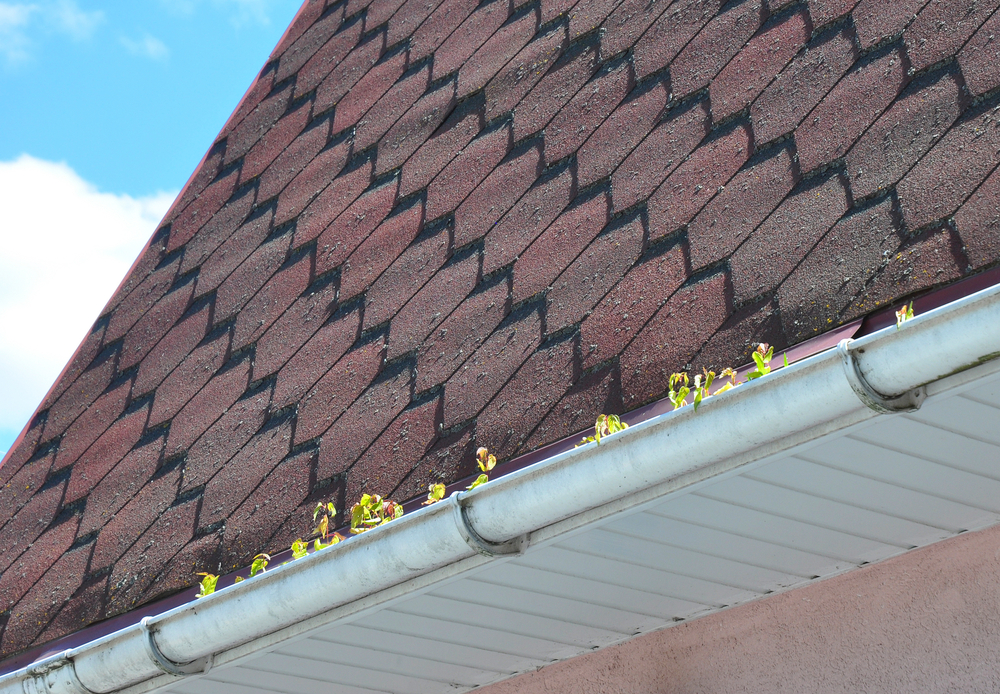
Your home’s gutter system is its unsung hero, tirelessly working to protect your property from the elements. In Northeast Georgia, where heavy rainfall and abundant foliage are a constant, gutters are put to the test year-round. When they fail, the consequences can range from minor annoyances to catastrophic structural damage. Understanding the most common gutter problems in this region—and knowing how to address them—is a crucial part of responsible homeownership.
From simple clogs caused by autumn leaves to complex drainage issues on a sloped yard, the challenges are varied. This guide will walk you through the most frequent gutter problems faced by homeowners in Northeast Georgia, providing practical solutions and explaining when it’s time to call in the professionals. By learning to spot these issues early, you can protect your home’s foundation, roof, and landscaping from costly water damage.
Problem 1: Clogged Gutters and Downspouts
Clogged gutters are, by far, the most common issue homeowners in Northeast Georgia encounter. The region’s beautiful, dense tree canopy is the primary culprit. Leaves, pine needles, twigs, seed pods, and shingle grit constantly accumulate in gutter channels, creating stubborn blockages.
What Causes the Clogs?
- Seasonal Debris: In the fall, deciduous trees like oaks and maples shed their leaves, which quickly fill unprotected gutters. In the spring, it’s a mix of oak tassels, pine pollen, and flower petals.
- Pine Needles: Northeast Georgia has a significant pine tree population. These needles are particularly problematic as they are small enough to slip through wider gutter screens and can weave together to form dense, water-resistant dams.
- Nests and Pests: The debris provides an inviting home for birds, insects, and even small rodents to build nests, further obstructing water flow.
- Shingle Grit: As asphalt shingles age, they shed their granular surface. This grit washes into the gutters, creating a heavy sludge that contributes to blockages.
The Consequences of Clogs
When gutters clog, water can’t drain properly. Instead, it overflows, leading to a cascade of issues:
- Foundation Damage: Water pools around your home’s foundation, leading to cracks, leaks in your basement or crawlspace, and long-term structural instability.
- Roof Damage: Water backs up onto the roofline, seeping under shingles and rotting the underlying wood decking. In winter, this can lead to destructive ice dams.
- Fascia and Soffit Rot: The boards holding your gutters (fascia) become saturated and rot, causing gutters to detach from the house.
- Pest Infestations: Stagnant water and decaying organic matter create a perfect breeding ground for mosquitoes, termites, and other pests.
How to Fix Clogged Gutters
DIY Solution:
For accessible, single-story homes, you can clean gutters yourself. You’ll need a sturdy ladder, gloves, a trowel or scoop, and a bucket.
- Safety First: Position your ladder on stable, level ground. Have someone spot you if possible. Never overreach.
- Scoop Out Debris: Starting near a downspout, scoop out the leaves and gunk. It’s often easier to work with the debris when it’s slightly damp, not bone-dry or soaking wet.
- Flush the Gutters: Once the large debris is removed, use a garden hose to flush the gutters and downspouts. This will clear out smaller particles and help you spot any leaks. If water backs up at the downspout opening, the clog is likely further down.
- Clear Downspouts: Try tapping on the side of the downspout to dislodge the clog. If that doesn’t work, use a plumber’s snake to break it up from the top or bottom opening.
Professional Solution:
For multi-story homes or for those who want to avoid the risk and hassle, hiring a professional is the best choice. Professionals have the safety equipment and tools to do the job efficiently. Many homeowners in communities like Cumming rely on experts for this task. You can find trusted experts who provide comprehensive gutter services in Cumming, GA to handle routine cleanings.
Long-Term Prevention:
The most effective way to prevent clogs is to install a high-quality gutter guard system. These systems cover the gutter, allowing water in while keeping leaves, pine needles, and other debris out. In a region as heavily wooded as Northeast Georgia, gutter guards can transform a recurring, dangerous chore into a thing of the past.
Problem 2: Sagging or Pulling Gutters
Have you noticed your gutters bowing in the middle or pulling away from the house? This is a serious issue that indicates the system is failing. Sagging gutters cannot maintain the proper slope for drainage, causing water to pool and overflow.
What Causes Sagging?
- Weight of Clogs: This is the leading cause. Gutters filled with wet leaves, shingle grit, and water become incredibly heavy. This weight puts immense strain on the hangers and fasteners.
- Improper Hanger Spacing: Gutter hangers (the brackets that attach the gutter to the fascia) should be spaced no more than three feet apart. If installers cut corners and spaced them further, the gutter will sag under its own weight over time.
- Damaged Fascia Board: If water has been overflowing from clogged gutters, the wooden fascia board it’s attached to may be rotten. Rotted wood cannot hold the screws, causing the hangers and the gutter itself to pull away.
- Inadequate Hanger Type: Older homes may have been built using spike-and-ferrule hangers, which are essentially long nails. These are notorious for pulling loose over time. Modern screw-in hidden hangers provide a much more secure attachment.
How to Fix Sagging Gutters
DIY Solution (for minor sagging):
If the sag is minor and the fascia board is solid, you may be able to add more hangers.
- Assess the Situation: Use a level to check the slope. Gutters should slope down toward the downspout at a rate of about 1/4 inch for every 10 feet.
- Add Hangers: Purchase new screw-in hidden hangers from a hardware store. You can often snap these into place and use a power drill to drive the screw through the back of the gutter and into the fascia board. Add new hangers in the sagging section to provide more support.
- Replace Old Spikes: If you have old spike-and-ferrule hangers that have pulled loose, you can’t just hammer them back in. The hole is already stripped. It’s better to replace them with new screw-in hangers, placing them a few inches away from the old hole.
Professional Solution:
If gutters are pulling away significantly or if you suspect the fascia board is rotted, this is a job for a professional. An expert will need to:
- Remove the Gutter Section: The damaged section of the gutter must be carefully detached.
- Repair or Replace the Fascia: The rotten wood will be removed and replaced with new, solid lumber. This is a critical structural repair.
- Re-install the Gutter: The gutter will be re-installed using modern, high-quality hangers with proper spacing and slope. Sometimes, the gutter itself may be bent or damaged and will need to be replaced.
Residents in areas with older homes, like Milton, often face issues with rotting fascia and failing hangers. Addressing this requires experience, and consulting with professionals for gutter services in Milton ensures the repair is done correctly.
Problem 3: Leaks and Holes
A dripping gutter might not seem like a big deal, but even a small leak can cause significant damage over time. The persistent drip can erode landscaping, stain your siding, and saturate the ground near your foundation.
What Causes Leaks and Holes?
- Corrosion: Galvanized steel gutters can rust over time, especially if debris is left to sit and hold moisture against the metal. The acidic nature of wet, decaying leaves accelerates this process. Aluminum gutters won’t rust, but they can still corrode.
- Separated Seams: Sectional gutters are installed in pieces, connected by sealant at the seams and corners. Over years of expansion and contraction with temperature changes, this sealant can crack and fail, causing leaks.
- Physical Damage: A falling branch or a poorly placed ladder can easily puncture or crack a gutter.
- Loose Fasteners: Sometimes a leak isn’t a hole at all, but water escaping from behind the gutter because a fastener has come loose, creating a gap between the gutter and the fascia.
How to Fix Leaks and Holes
DIY Solution (for small holes and seams):
- Clean and Dry the Area: Thoroughly clean the area around the leak with a wire brush to remove any rust or old sealant. The surface must be completely dry for the new sealant to adhere.
- Apply Gutter Sealant: For leaking seams or small pinholes, apply a generous bead of waterproof gutter sealant (usually a silicone or butyl rubber-based product) to the inside of the gutter. Use a putty knife to smooth it out.
- Use a Patch: For larger holes, you can use a metal patch. Cut a piece of metal flashing slightly larger than the hole. Apply sealant around the hole, press the patch firmly into place, and then apply another layer of sealant over the edges of the patch.
Professional Solution:
For widespread corrosion, numerous failing seams, or large cracks, a DIY patch is only a temporary fix. Seamless gutters are the best long-term solution. A professional gutter company will come to your home and extrude a continuous piece of aluminum gutter custom-fit to the length of your roofline. This eliminates all seams, which are the most common failure points. This upgrade is particularly popular in areas like Suwanee where homeowners are investing in long-term, low-maintenance solutions. Exploring options for gutter services in Suwanee can provide insight into the benefits of seamless systems.
Problem 4: Improper Slope and Drainage
For a gutter system to work, it needs gravity on its side. Gutters must be installed with a slight, consistent slope toward the downspouts. If they are pitched incorrectly, water will stand still or even flow away from the downspout.
What Causes Improper Slope?
- Poor Installation: This is the most common reason. An inexperienced installer may have set the gutters perfectly level or, even worse, with a negative slope.
- House Settling: Over many years, a house can settle, which can subtly alter the pitch of the roofline and the attached gutters.
- Sagging: As discussed earlier, the weight of debris can cause gutters to sag, creating low spots where water pools.
The Consequences of Poor Slope
- Standing Water: Pooled water adds weight to the gutters, accelerates corrosion, and provides a breeding ground for mosquitoes.
- Overflows: Water will spill over the side of the gutter at the low point, which is often in the middle of a run, far from any downspout.
- Ineffective Drainage: The system simply won’t be able to handle heavy rain because it can’t move water to the downspouts fast enough.
How to Fix Improper Slope
DIY Solution (requires confidence and precision):
Fixing the slope of a gutter run is a more advanced DIY project. It involves detaching the hangers, adjusting the gutter height, and re-securing them.
- Identify the High and Low Points: After a rain, look for where water is pooling. That’s your low point.
- Plan the Adjustment: You’ll need to raise the hangers furthest from the downspout and lower the ones closer to it.
- Adjust the Gutters: Detach the hangers in the affected section. Use a chalk line and a level to mark a new line on the fascia with the correct slope (again, about 1/4 inch per 10 feet). Re-attach the hangers along this new line.
Professional Solution:
This is a job best left to professionals. A gutter specialist has the experience and tools to precisely measure and set the correct slope along the entire length of your home. They can quickly identify if the problem is a simple adjustment or a more complex issue related to sagging or fascia damage. In communities with varied terrain like Roswell, proper water management is key, and expert installation is critical. For a professional assessment, you can seek gutter services in Roswell.
Problem 5: Inadequate Downspout and Drainage Management
Even if your gutters are clean, properly sloped, and leak-free, your water management system can still fail if the downspouts are not doing their job.
Common Downspout Issues
- Too Few Downspouts: A long run of gutter (over 40 feet) needs more than one downspout to handle the volume of water from a heavy Georgia downpour.
- Downspouts Emptying Too Close to the Foundation: This is a critical and common mistake. If your downspout simply ends at the ground next to your house, it is dumping all the collected roof water directly into the soil around your foundation, defeating the entire purpose of the gutter system.
- Underground Drains are Clogged: Many homes have downspouts that connect to underground pipes designed to carry water away from the house. These pipes can become clogged with leaves, silt, and even tree roots.
How to Fix Downspout Issues
DIY Solution:
- Add Extensions: The simplest and most effective solution is to add downspout extensions. These can be flexible corrugated pipes or more rigid extensions that attach to the bottom of your downspout and carry water at least 6-10 feet away from your foundation.
- Install Splash Blocks: A splash block is a plastic or concrete channel placed under the downspout to prevent erosion and help direct water away from the house. They are better than nothing, but extensions are far more effective.
- Clear Underground Drains: You may be able to clear a clogged underground pipe with a plumber’s snake or a high-pressure water bladder that attaches to your garden hose.
Professional Solution:
If you have persistent drainage problems, a professional can offer more robust solutions. This might include:
- Installing Additional Downspouts: They can assess your roof size and gutter layout to determine the optimal number and placement of downspouts.
- Designing a Drainage System: For yards with complex grading, they can install French drains, dry wells, or other landscaping solutions to effectively manage stormwater.
- Camera Inspection: Professionals can use a special camera to inspect underground drain lines to find the exact location and cause of a clog, whether it’s debris or invasive tree roots.
Proper water routing is a major concern for homeowners in planned communities like Johns Creek, where lot drainage is interconnected. For comprehensive solutions, contacting experts for gutter services in Johns Creek is a wise move. The same applies to other areas, from Duluth to Flowery Branch and from Gainesville to Oakwood, where local professionals understand the specific challenges of the area.
Proactive Maintenance: The Best Fix of All
While knowing how to fix these problems is valuable, preventing them in the first place is far better. Regular maintenance is the key to a healthy, long-lasting gutter system.
- Inspect Regularly: At least twice a year (late spring and late fall), walk around your property and visually inspect your gutters from the ground. Look for sagging, leaks, or any signs of overflow like stained siding or eroded mulch.
- Clean Consistently: In Northeast Georgia, cleaning gutters twice a year is the bare minimum. If you have many trees, you may need to do it more often.
- Invest in Gutter Guards: As mentioned before, this is the single most effective step you can take to prevent the number one problem: clogs. This proactive investment saves you time, enhances safety, and protects your home from the domino effect of damage that clogged gutters cause.
Your gutters are a vital component of your home’s defense system. By understanding these common problems and taking a proactive approach to maintenance, you can ensure they continue to protect your valuable investment for years to come.