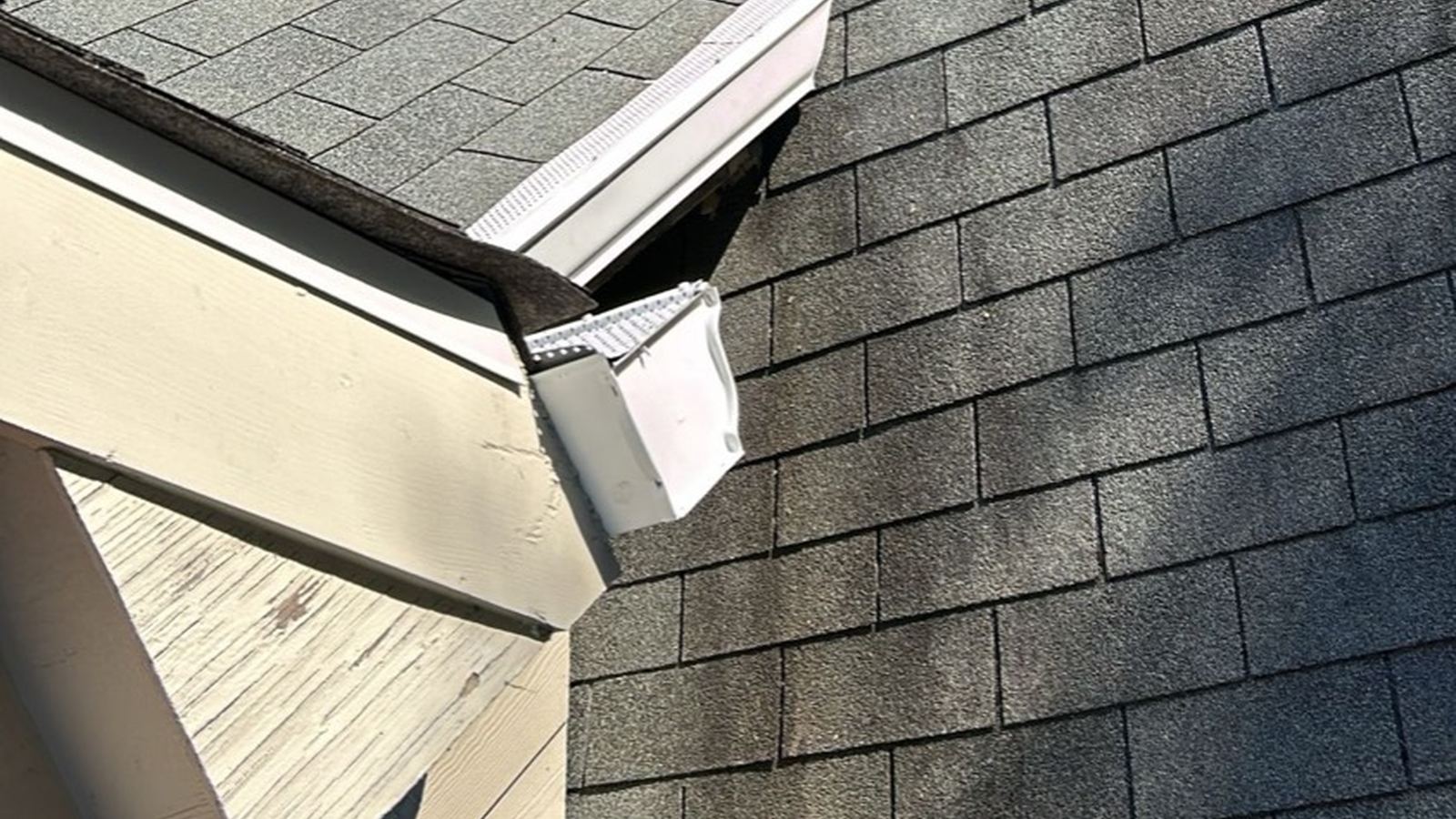

Most homeowners don’t think about their gutters until there’s a leak or they’re visibly overflowing, but by that point, your foundation may already be paying the price. Gutters exist for one purpose: to move rainwater away from your home. When they fail, that water goes somewhere you really don’t want it, right down against your foundation. Here are seven warning signs to watch for before small gutter problems become costly structural ones.
—
7 SIGNS YOUR GUTTERS ARE DAMAGING YOUR FOUNDATION
1. Cracks Appearing in Your Foundation Walls
New cracks in your foundation, especially horizontal or stair-step cracks in block or brick foundations, can be a sign of sustained water pressure against the exterior. While not every crack is gutter-related, if you’re seeing new cracks alongside any of the other signs on this list, your drainage system is a logical first suspect. Water saturating the soil around your foundation creates hydrostatic pressure that can literally push walls inward over time.
—
2. Water Pooling Next to the House After Rain
Step outside after a rainstorm and look at the ground right next to your home. Is there standing water hugging the foundation? That’s a red flag. In a healthy drainage setup, water should move away from the house within a few minutes of the rain stopping. Pooling water means your gutters are overflowing, your downspouts are discharging too close to the foundation, or your yard grade is sloping toward the house instead of away.
—
3. Basement or Crawl Space Moisture and Flooding
If your basement floor is damp after rain, your crawl space smells musty, or you’ve found actual standing water in either space, your gutters and downspouts are a prime candidate for investigation. Water that saturates the soil next to the foundation will find its way through even minor cracks or porous concrete over time. Many homeowners spend thousands on interior waterproofing systems when the real fix was routing their downspouts further away from the house.
—
4. Soil Erosion or Trenching Along the Foundation
Look for narrow trenches or channels worn into the soil right at the base of your home’s exterior. This is a telltale sign of water pouring out of an overflowing gutter or a downspout that’s directed straight down with no extension. Over months and years, that concentrated water flow literally carves channels into the soil and exposes your foundation’s lower sections to constant moisture. If you see a trench under a downspout or below a low point in your gutters, that’s your culprit.
—
5. Gutters Visibly Overflowing During Rain
You don’t need a professional inspection to spot this one, just watch your gutters during the next good rainstorm. If water is pouring over the front edge of the gutter (rather than through the downspouts), your gutters are either clogged, undersized, or pitched incorrectly. That overflowing water falls directly against your foundation. This is one of the most common and most preventable causes of foundation moisture problems. Regular gutter cleaning and properly sized gutters solve it entirely.
Our Cincinnati team sees this constantly after the heavy spring rains, especially on homes that need professional gutter repair before foundation problems get worse.
—
6. Downspouts Discharging Too Close to the Foundation
Even gutters that are clean and working perfectly can cause foundation damage if the downspouts dump water right next to the house. The standard recommendation is for downspouts to discharge at least 4 to 6 feet away from the foundation, and further on homes with poor natural yard drainage. Simple downspout extensions (plastic elbow attachments that run water several feet out) cost under $20 and can prevent thousands of dollars in foundation repairs. Underground drainage systems are another option for a cleaner look.
—
7. Mold or Efflorescence on Basement Walls
White, chalky stains on basement walls (called efflorescence) are caused by water moving through concrete or block, carrying dissolved minerals to the surface. Where there’s efflorescence, there was repeated water infiltration. Mold growth on basement walls tells the same story, sustained moisture is getting in somewhere, and your gutter and downspout system is the most common entry point. Fixing the exterior drainage first is always step one before addressing interior moisture problems.
—
THE RIGHT WAY TO ROUTE DOWNSPOUT DRAINAGE AWAY FROM YOUR HOUSE
Getting water away from your foundation doesn’t have to be complicated. Here’s what works:
– Simple Downspout Extensions: Plastic or aluminum extensions that angle water 4–6 feet away from the house. Inexpensive, easy to install, and very effective.
– Pop-Up Drain Emitters: Bury a pipe from the downspout outlet underground, terminating in a pop-up emitter that releases water several feet from the house. The buried pipe keeps the yard clean and routes water well away from the foundation.
– French Drain Systems: For homes with persistent drainage problems, a perforated pipe buried in gravel around the perimeter can capture and redirect water before it ever reaches the foundation.
– Grading and Landscaping: The ground around your home should slope away at a grade of roughly 6 inches over the first 10 feet. If your yard slopes toward the house, no gutter system will fully solve your moisture problems without re-grading.
—
Ready to Get Started: Foundation Protection?
If you’re seeing any of these warning signs, don’t wait, foundation damage gets more expensive the longer it goes unaddressed. A professional gutter installation inspection and cleaning is the fastest way to find out if your drainage system is the source of the problem.
👉 Schedule a gutter inspection today
👉 Start with a professional cleaning
—
Frequently Asked Questions: Foundation Protection
How far should gutters drain from the foundation?
Downspouts should discharge water at least 4 to 6 feet away from the foundation at minimum. Many waterproofing professionals recommend 10 feet or more for homes with poor natural drainage or clay-heavy soils that don’t absorb water quickly. Underground extensions that terminate in pop-up emitters are one of the cleanest and most effective ways to move water well away from the house.
Can gutters cause foundation damage?
Absolutely. When gutters overflow, are clogged, or have downspouts that discharge too close to the home, the resulting water saturation creates hydrostatic pressure against foundation walls. Over time, this pressure causes cracks, moisture infiltration, and in severe cases, structural movement. The good news is that properly maintained gutters with well-routed downspouts are one of the best and most cost-effective ways to protect your foundation.
What are early signs of foundation damage?
Early signs include hairline cracks in interior drywall (especially around door and window corners), doors or windows that stick or no longer close properly, slight bowing or bulging in basement walls, and damp spots or white mineral staining on basement walls. None of these automatically mean serious structural damage, but they’re worth investigating promptly before they progress.
How do I know if my downspouts are draining properly?
The simplest test: watch your downspouts during a moderate rainstorm. Water should flow freely from the bottom of the downspout and move away from the house. If water is backing up, dribbling from seams in the downspout, or pooling right next to the foundation, you have a drainage issue. You can also run a garden hose into your gutters to test flow when it’s dry. If the water pools or backs up rather than flowing to the downspout, pitch and blockage are likely culprits.
< Previous Next >
Written by
Colin Nellis
Owner · Cincinnati, OH
Owner of Top Rated Gutters of Cincinnati, with a career built in home improvement on honest, high-quality service.