
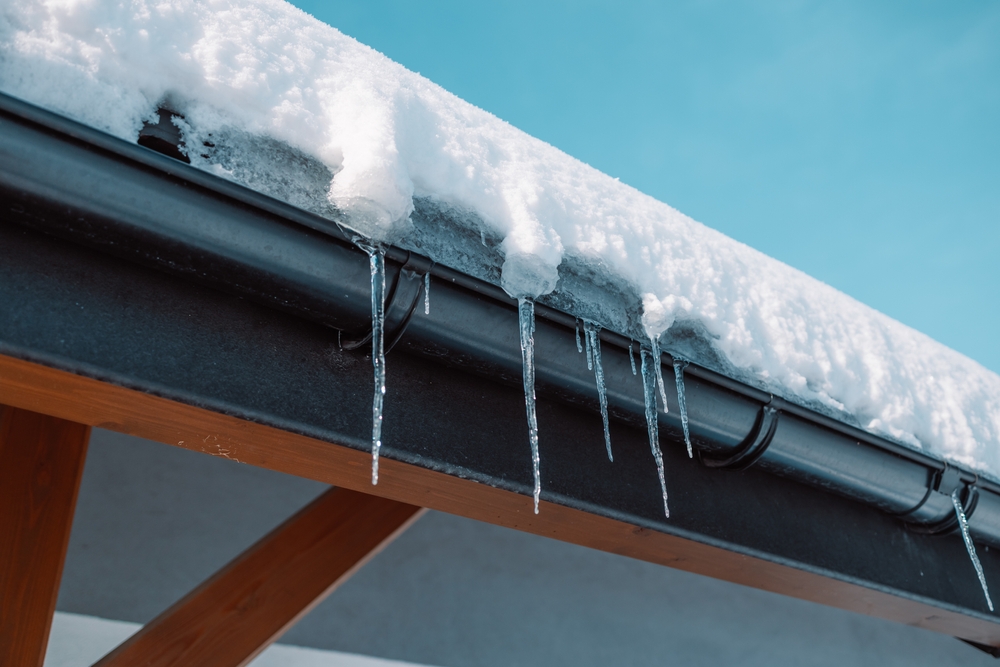
Winter Gutter Care & Ice Dam Prevention in South Bend, IN
South Bend, IN Ice Dams Local Top Rated Gutter Company
What can we do for you?

Winter Gutter Care & Ice Dam Prevention in South Bend, Indiana
Winter in South Bend is no mild affair. Lake-effect snow, sub-zero wind chills, and relentless freeze-thaw cycles punish every inch of your home’s exterior, and your gutters take the worst of it. For homeowners across the Michiana region, winter gutter maintenance and ice dam prevention aren’t seasonal chores you can skip. They’re the difference between a dry, damage-free home and thousands of dollars in emergency repairs.
Top Rated Gutters has helped hundreds of South Bend, Mishawaka, Granger, and Elkhart homeowners prepare their gutter systems for winter and recover from ice dam damage. This guide covers everything you need to know about protecting your home during a Northern Indiana winter.
View Our ServicesHow Michiana Winters Destroy Gutters
Northern Indiana sits in one of the most aggressive winter weather corridors in the Midwest. Here’s what your gutters are up against from November through March:
Lake-effect snow. South Bend averages more than 40 inches of snow per year, with lake-effect bands off Lake Michigan capable of dropping six or more inches in a single event. That heavy, wet snow piles onto roofs and packs into gutters, adding enormous weight to a system designed to carry water, not ice. Homes closer to the lake in LaPorte, Michigan City, and New Carlisle face even heavier accumulation.
Freeze-thaw cycling. Michiana rarely stays frozen straight through winter. Temperatures swing above and below 32°F dozens of times each season. Every cycle melts snow on the roof, sends water into the gutters, and then refreezes it overnight. This expanding and contracting ice stresses gutter seams, warps hangers, and cracks end caps. Over the course of a single winter, those micro-movements can loosen entire gutter runs from the fascia.
Ice dam formation. Ice dams are the most destructive winter gutter problem in the region. They form when heat escaping from a poorly insulated attic warms the roof deck, melting snow from the top. That meltwater flows down toward the eaves, the coldest part of the roof, and refreezes, creating a ridge of ice that traps water behind it. That standing water works its way under shingles and into your home.
Debris compaction. Leaves, twigs, and shingle grit that weren’t cleaned out in the fall freeze into a solid mass inside the gutter channel. By mid-winter, this compacted debris acts like a dam all on its own, blocking any meltwater from draining and accelerating ice buildup.
What Is an Ice Dam and Why Is It Dangerous?
Picture this: snow blankets your roof after a January storm. Heat from your attic, even small amounts from recessed lights, bathroom vents, or inadequate insulation, warms the roof deck from below. The snow on the upper portion of the roof melts and trickles downward. When that meltwater reaches the eaves and overhangs, which are not heated from below, it refreezes into a thick ridge of ice along the gutter line.
As more snow melts above, water pools behind this ice ridge with nowhere to go. It backs up under the shingles, seeps through the roof deck, and drips into your attic, walls, and ceilings. At the same time, the growing mass of ice in the gutter adds tremendous weight, pulling hangers loose and bending the gutter away from the house.
The damage from a single ice dam event can include:
- Roof leaks, Water stains on ceilings and walls, saturated insulation, and mold growth in the attic.
- Gutter collapse, Ice-loaded gutters can weigh hundreds of pounds, tearing away from the fascia and taking trim boards with them.
- Fascia and soffit rot, Water that gets behind the gutter soaks into fascia boards, causing wood rot that spreads to the soffit and roof framing.
- Foundation flooding, When gutters fail, snowmelt dumps directly against the foundation. In spring, that saturated soil pushes water into basements and crawlspaces.
Many South Bend homeowners don’t realize they have an ice dam problem until they spot water stains on a bedroom ceiling in February. By then, the damage is already done.
5 Steps to Prevent Ice Dams in Your South Bend Home
Preventing ice dams requires a combination of gutter maintenance, attic improvements, and, in some cases, professional gutter upgrades. Here are the five steps we recommend to every homeowner in the Michiana region:
- Clean your gutters before the first frost.
This is the single most important thing you can do. A thorough gutter cleaning in late October or early November, after the bulk of leaves have fallen from the oaks and maples, ensures water has a clear path to the downspouts when winter arrives. If your gutters are clogged when the first freeze hits, you’ve already set the stage for ice dams.
- Install gutter guards.
Micro-mesh gutter guards are the most effective long-term defense against ice dams in Northern Indiana. They prevent debris from entering the gutter channel in the first place, so even if you miss a fall cleaning, your gutters stay functional. Guards also reduce the surface area where ice can grip inside the gutter, helping meltwater flow through during brief thaw windows.
- Check your attic insulation.
Heat loss through the attic is the root cause of most ice dams. The Department of Energy recommends R-49 insulation for attics in Northern Indiana (Climate Zone 5). If you can see the tops of your attic joists, your insulation is too thin. Adding blown-in insulation is one of the most cost-effective home improvements you can make, and it reduces ice dam risk dramatically.
- Ensure proper attic ventilation.
Even with good insulation, trapped warm air in the attic will heat the roof deck. Proper soffit and ridge ventilation allows cold outside air to circulate under the roof, keeping the surface temperature even and preventing uneven snowmelt. Make sure soffit vents aren’t blocked by insulation or storage.
- Install heat cables on problem areas.
For homes with complex rooflines, valleys, or north-facing slopes that are especially prone to ice dams, heat cables (also called de-icing cables) provide a reliable backup. These cables run along the eave edge and through the gutter, maintaining a narrow channel for meltwater to escape even during extended freezes. We can install heat cables alongside gutter guards for maximum protection.
Top Rated Gutters of South Bend
Emergency Winter Gutter Repair in South Bend
If ice dams have already caused damage, gutters pulling away from the house, visible ice ridges forming along the roofline, or water leaking into your home, don’t wait for spring. Delaying repairs allows the damage to compound with every freeze-thaw cycle.
Anthony and the Top Rated Gutters team provide emergency winter gutter repair throughout the South Bend, Mishawaka, Elkhart, and Granger areas. We can:
- Safely remove ice buildup from gutters and eaves without damaging your roof
- Reattach or replace gutter sections that have been pulled loose by ice weight
- Install temporary solutions to stop active leaks until a full repair can be completed
- Assess your entire gutter system and recommend permanent fixes to prevent recurrence
We build all our gutters and guards on-site, so we carry the materials and equipment to handle most repairs in a single visit, even in the middle of January.

Military Discount for Michiana Veterans
Top Rated Gutters is proud to offer a military discount to veteran homeowners throughout the South Bend service area. If you’ve served our country, we want to make sure your home is protected. Ask Anthony about our veteran pricing when you call.
Don't Wait for the First Ice Storm
The best time to address winter gutter problems is before winter arrives. But if you’re reading this in January with ice already forming on your eaves, we can still help. Call Top Rated Gutters at 574-348-8837 to schedule a gutter inspection, cleaning, guard installation, or emergency repair. We serve homeowners across South Bend, Mishawaka, Granger, Elkhart, LaPorte, Niles, Goshen, Plymouth, and the entire Michiana region.

Choose Your State: South Bend, IN Ice Dams & Beyond
Meet your local owner
Anthony Kulikowski
Owner · South Bend, IN
Owner of Top Rated Gutters of South Bend, with 25+ years serving Indiana homeowners.
Connect on LinkedIn →Latest From Our Blog: South Bend, IN
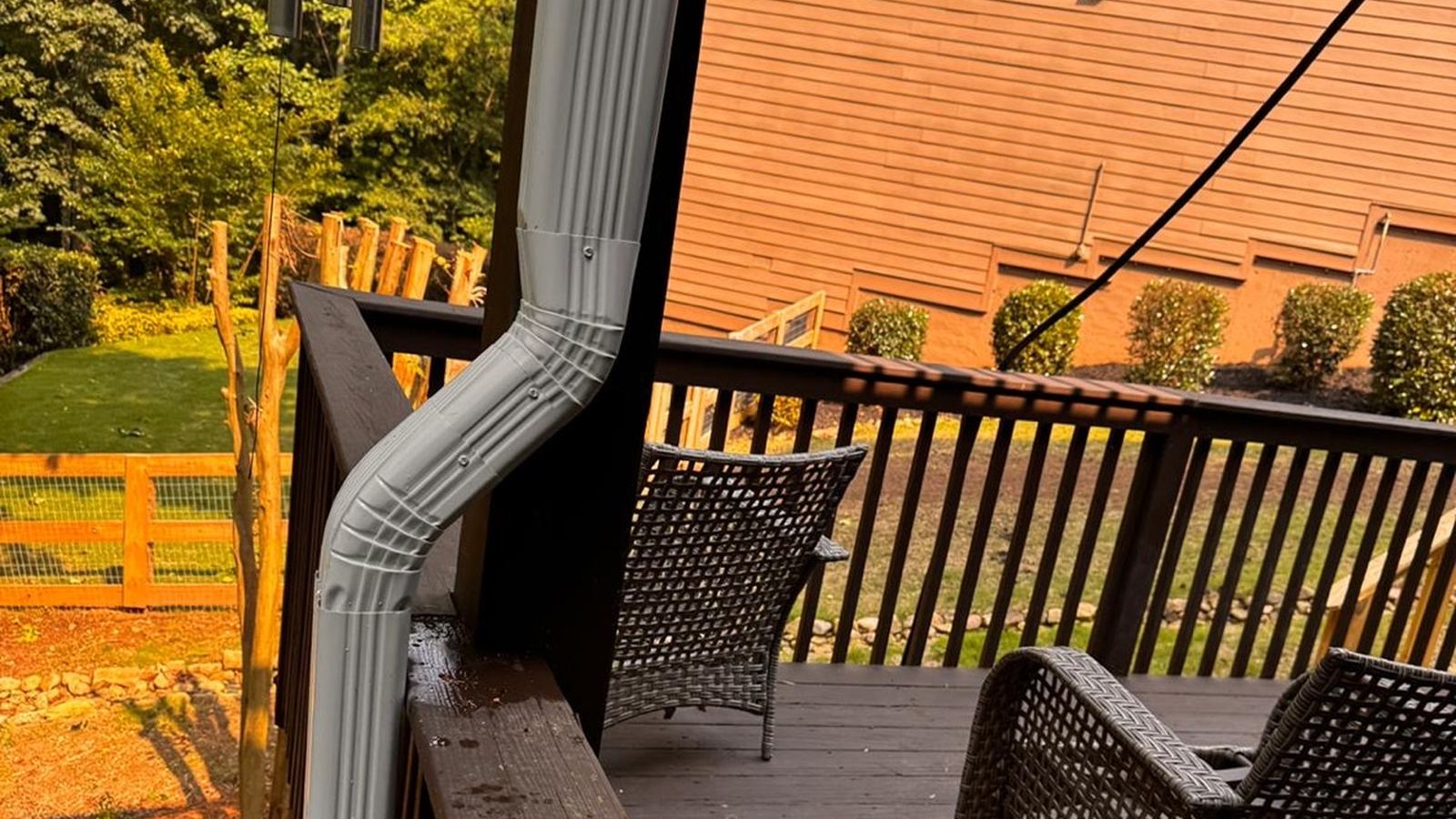
Downspout Sizing by Roof Area: The SMACNA Method
There is no residential code table for gutter and downspout size. That vacuum is why rules…
By Anthony Kulikowski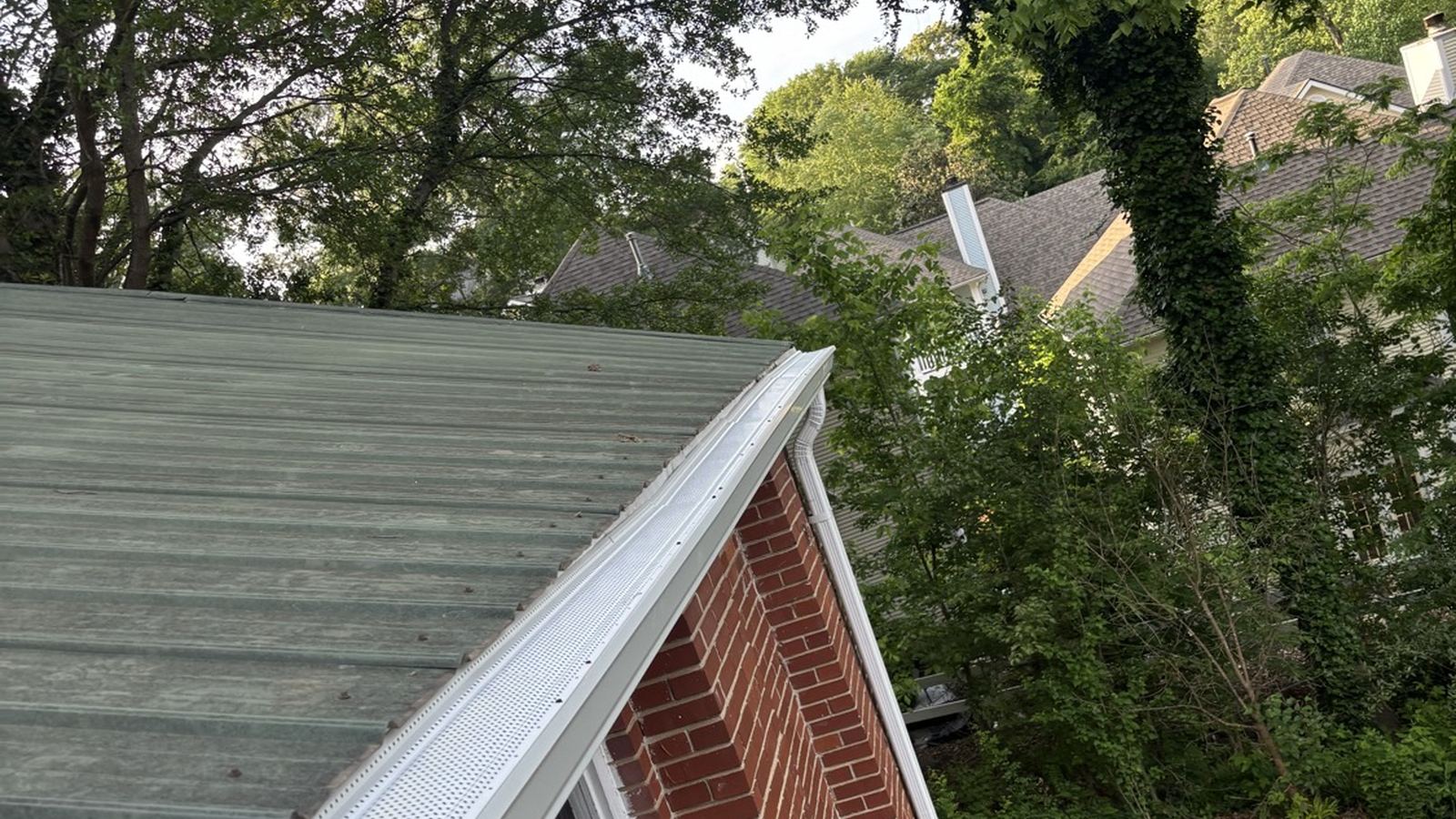
Gutter Guards on a Century Home: Box Gutters and Guards
Most gutter guards are designed for a gutter hung off the fascia. A box gutter is part of …
By Anthony Kulikowski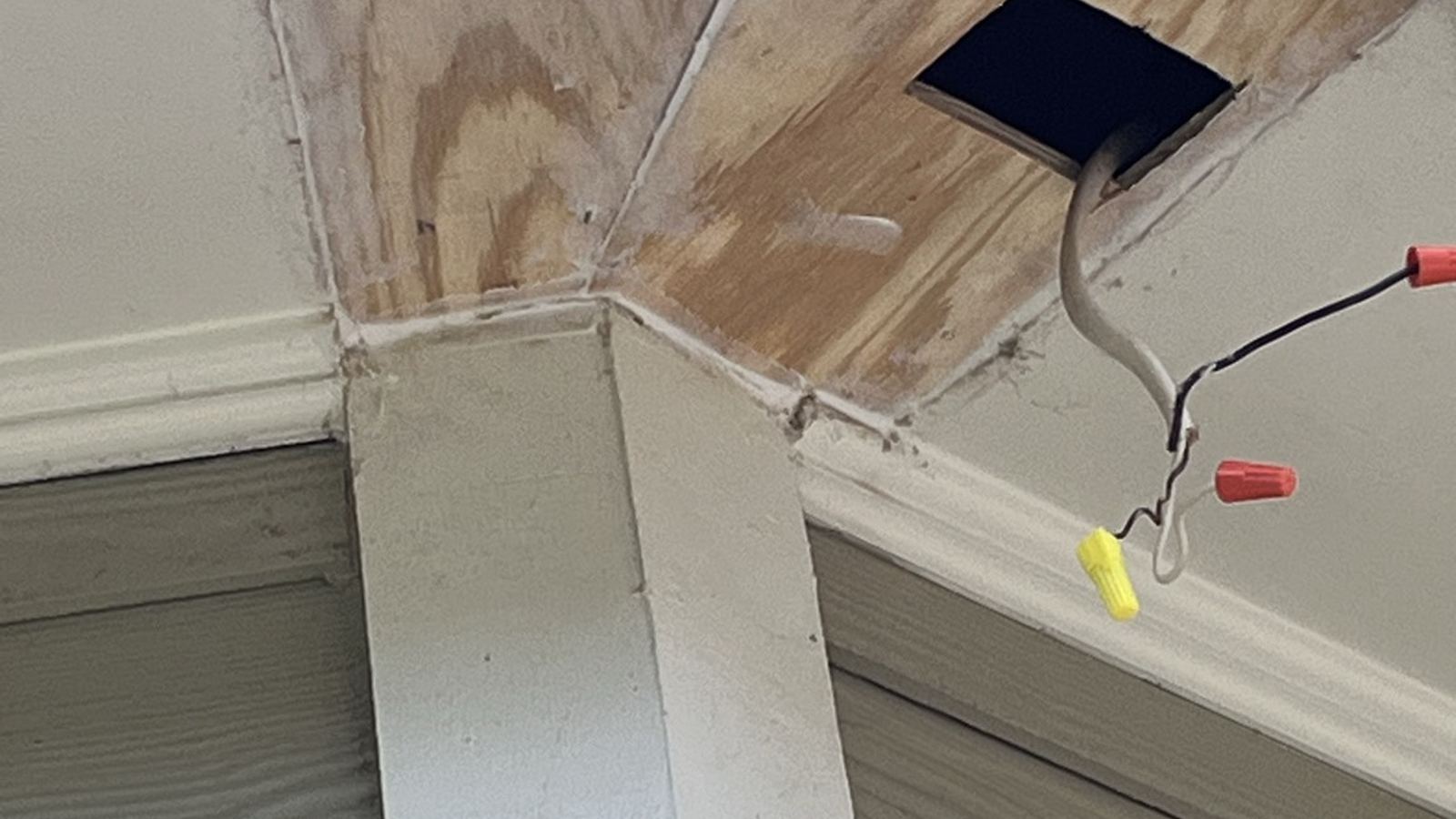
What Gutter Repair Costs in South Bend, and What Waiting Costs
The price of a repair depends on which rung of the ladder you are on. Waiting through a Mi…
By Anthony KulikowskiService area
Cities We Serve Near South Bend, IN
Rated 4.7 by South Bend, IN homeowners across 17 Google reviews
South Bend, IN Client Reviews
“Anthony and his team are top notch. They do things with integrity and are very dependable. Thanks, Anthony, for being a great resource for my gutter needs.”
“I had an excellent experience with Top Rated Gutters of South Bend. Anthony did an amazing job installing our gutters, and the entire process was smooth from start to finish. He was extremely responsive and paid close attention to every detail.”
“Anthony was very helpful and honest, took care of the gutters at my dad's house without trying to sell him expensive extras. Definitely recommend them, and will work with them again.”
“Top Rated Gutters of South Bend did a wonderful job. The gentlemen that installed were very skilled, tested all the problem areas of my former gutters with the water hose, what a difference with their gutter guards and re-pitching.”
“First class company with first class service. Fast turnaround and the finished project looked great. If you're looking for gutter repair, replacement or any gutter related issue, give these guys a call!”
“Top Rated Gutters did a wonderful job with a smaller project. They are very professional and the project was done perfect. I liked that the project was cleaned and left no trash behind.”
Ready for gutters done right in South Bend, IN?
Enter your zip code for a fast, free estimate from your local team.