Living in South Bend, Indiana, means experiencing the full force and beauty of four distinct seasons. It also means being intimately familiar with a unique meteorological phenomenon: lake effect weather. Driven by the vast expanse of Lake Michigan to the northwest, this weather pattern can dramatically intensify winter storms, dumping immense amounts of snow in very specific areas. While beautiful, this powerful force of nature puts extraordinary stress on the exterior components of a home, particularly the gutter system.
Gutters are your home’s frontline defense against water, but they are often overlooked until a problem becomes severe. For South Bend homeowners, the specific challenges posed by lake effect precipitation can turn minor gutter issues into major structural threats. Understanding these unique problems is the first step toward implementing effective, long-lasting solutions to protect your home.
This guide will delve into the top gutter problems caused directly by South Bend’s lake effect weather. We will examine the science behind heavy snow loads, the formation of destructive ice dams, and the relentless damage from freeze-thaw cycles. Most importantly, we will provide clear, actionable solutions, from essential maintenance to crucial system upgrades, that will fortify your home against the region’s harshest weather.
Understanding Lake Effect: A Gutter’s Worst Enemy
Before diving into the problems, it’s helpful to understand what makes lake effect weather so challenging. The phenomenon occurs when a cold, dry air mass moves over the relatively warmer waters of a large lake, like Lake Michigan.
- Moisture and Heat Transfer: The lake’s water, which loses heat much slower than land, warms the bottom layer of the cold air and adds a significant amount of moisture to it.
- Instability and Cloud Formation: This warm, moist air is now lighter than the cold air above it, so it rises. As it rises, it cools, and the moisture condenses into clouds.
- Intensified Precipitation: This process creates a narrow, intense band of precipitation. When the air is cold enough, this falls as heavy snow. The result isn’t a widespread, gentle snowfall, but a concentrated, high-volume dumping of snow in localized areas downwind of the lake, a description that perfectly fits the South Bend area. To help manage the consequences of this intense weather, working with experts offering gutter services in South Bend, IN can make a critical difference in maximizing your home’s water management and gutter performance.
This process is why a forecast for 2-4 inches of snow can easily turn into 8-12 inches in a lake effect snow band. It’s this extreme volume and weight of precipitation that makes standard gutter systems so vulnerable.
Problem 1: Crushing Weight from Heavy, Wet Snow
The most direct impact of lake effect snow is its immense weight. Not all snow is created equal. The fluffy, light powder that is easy to shovel is far different from the heavy, wet, concrete-like snow that often falls during a lake effect event.
The Physics of Snow Load
A cubic foot of light, airy snow might weigh 5-7 pounds. However, the snow produced by the lake effect process is often dense and has a high water content, weighing 15-20 pounds per cubic foot. Now consider a standard 5-inch K-style gutter. A one-foot section of this gutter can easily be filled with this heavy snow. If your home has 150 feet of gutters, you could be looking at an additional 3,000 pounds (or more) of weight hanging from your roofline.
This incredible load places extreme stress on every component of your gutter system:
- Gutter Bending and Warping: The aluminum or vinyl of the gutter itself can bend, sag, or even crack under the immense weight. This creates low spots that will collect water and freeze, exacerbating the problem.
- Hanger Failure: The hangers are the brackets that attach the gutter to the fascia board. Standard hangers, especially on older systems, can bend or snap under the load.
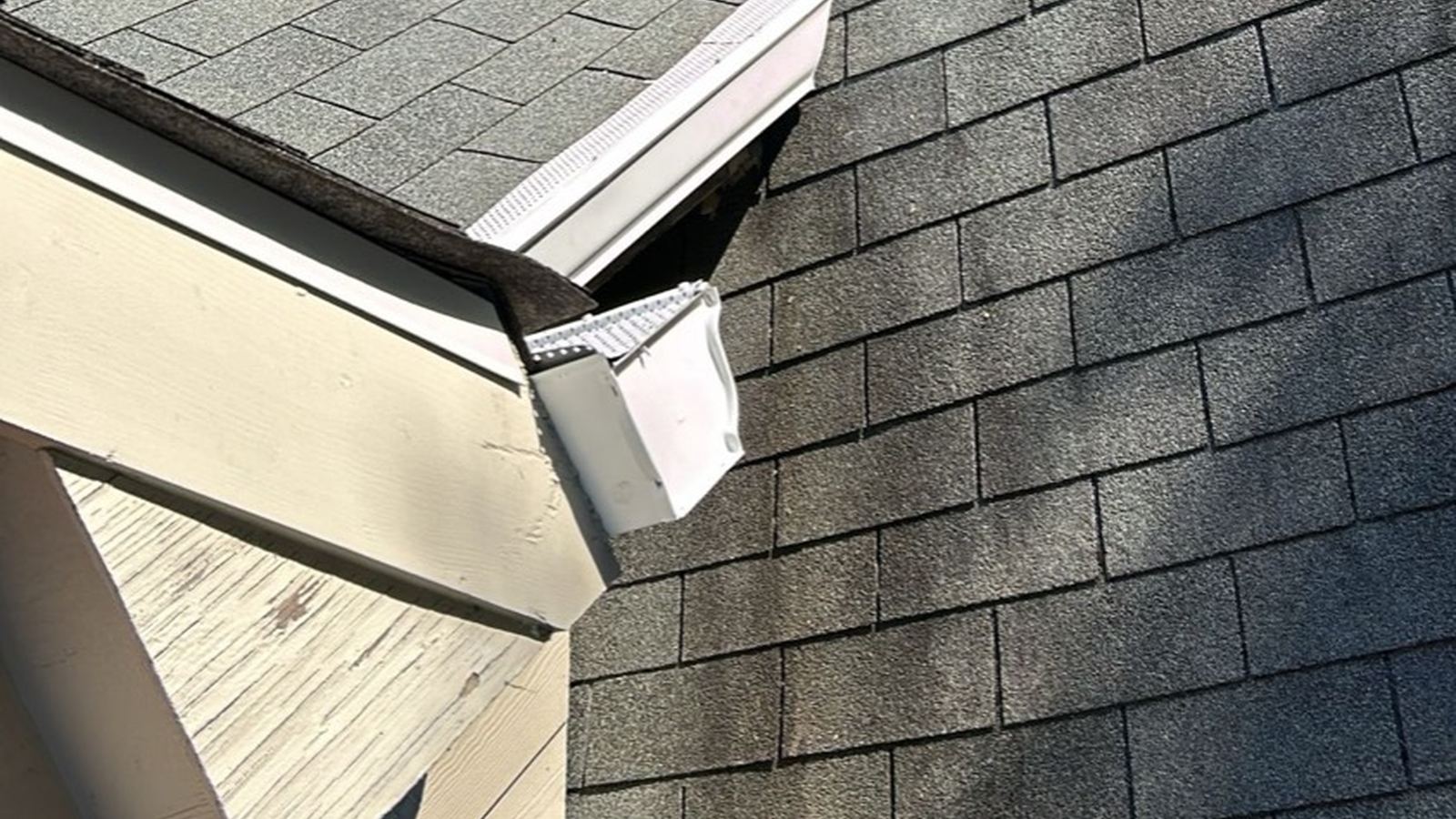
- Gutter Detachment: The most dramatic failure occurs when the fasteners securing the hangers pull out from the fascia board. This can cause entire sections of the gutter to pull away from the house or fall to the ground completely. A falling gutter filled with ice and snow is a serious safety hazard and leaves your home with zero protection from melting snow. This is a common winter worry for homeowners across the region, from Mishawaka to Granger .
The Solution: Structural Reinforcement and Superior Design
To combat the sheer weight of lake effect snow, you need a system built for strength.
- Upgrade to Seamless Gutters in South Bend, IN: Traditional sectional gutters, pieced together every 10 feet, have inherent weak points at every seam. A continuous, seamless gutter is structurally more rigid and far better at distributing weight evenly across the entire run. For nearby areas, services in Granger, IN , Mishawaka, IN , and Elkhart, IN can also provide professional installations.
- Demand Heavy-Duty Hangers and Fasteners: The strength of your system is only as good as how it’s attached to your home. Professional installations should use high-grade hidden hangers that are secured with long screws (not nails) that pass through the fascia board and anchor firmly into the rafter tails behind it. This provides immense holding power.
- Invest in a Strong Gutter Guard: A high-quality, solid gutter guard does more than just block leaves. When properly installed, these systems add rigidity and strength to the entire gutter system, helping it resist bending and sagging under heavy snow loads. Homeowners throughout the South Bend area can also consider Gutter Guard solutions in Plymouth, IN and LaPorte, IN , ensuring year-round protection regardless of winter severity.
Problem 2: Destructive Ice Dams and Icicle Formation
Ice dams are perhaps the most damaging winter phenomenon for South Bend homes. Lake effect weather, with its combination of heavy snow and fluctuating temperatures, creates the perfect conditions for them to form. An ice dam is a ridge of ice that builds up along the eaves, blocking your gutters and preventing water from draining.
The Cycle of Ice Dam Formation
- Heavy Snowfall: A lake effect storm deposits a thick blanket of snow on your roof.
- Attic Heat Loss: Heat escapes from your home’s living space into the attic, warming the underside of the roof deck.
- Melting and Flowing: This warmth melts the snow on the upper parts of your roof. The resulting water flows down underneath the insulating blanket of snow.
- Refreezing at the Eaves: When this meltwater reaches the cold roof overhangs (eaves) and gutters, which are not warmed by attic heat, it refreezes.
- Growth of the Dam: As the cycle continues, this ice builds up, creating a thick, solid dam of ice in and above your gutters. The gutters become completely choked and useless.
- Water Backup: The ice dam traps all subsequent meltwater, creating a pool of standing water on your roof. Shingles are designed to shed flowing water, not to be submerged. The water finds its way under the shingles and through the roof deck.
The consequences are severe: waterlogged attic insulation, stained and damaged ceilings and walls, and pervasive rot in your roof deck and wall framing. The large, dangerous icicles that often accompany ice dams are a clear sign that this destructive process is underway. This is a significant issue for properties across the area, including in LaPorte and Michigan City . For professional help with ice dam prevention and repairs, consider reaching out to Top Rated Gutters of LaPorte, IN , or learn about gutter maintenance services in South Bend to keep your system protected all winter.
The Solution: A Multi-Faceted Defense Strategy
Preventing ice dams requires tackling the problem from multiple angles.
- Improve Attic Insulation and Ventilation: The root cause of most ice dams is an overly warm attic. Sealing air leaks from your living space and ensuring you have adequate insulation on the attic floor is the first step. This should be combined with a balanced ventilation system (soffit and ridge vents) to keep the roof deck uniformly cold.
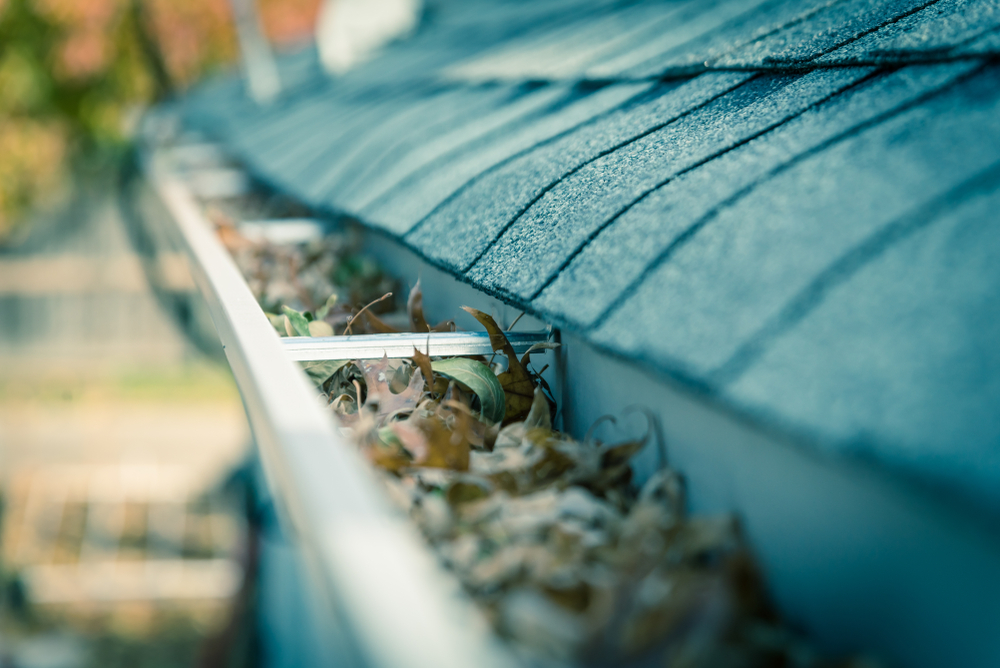
- Keep Gutters Clean and Clear: Gutters clogged with frozen leaves and debris provide a solid base for an ice dam to form, accelerating the process. A thorough fall cleaning is essential. For a permanent solution, a high-performance gutter guard is the answer. By keeping the gutter channel clear, you ensure that any meltwater has a path to drain away before it can freeze and build up. Reverse-curve (surface tension) guards are particularly effective, as their solid surface helps shed snow and prevents ice from sheeting over, unlike mesh screens. For ongoing protection, explore gutter guard installations in Mishawaka, IN and gutter cleaning in Granger, IN .
- Use a Roof Rake (Safely): After a heavy lake effect snowfall, you can use a roof rake to safely pull snow from the lower 3-4 feet of your roof edge. Removing this snow load reduces the material available to form an ice dam and relieves a tremendous amount of weight from your gutters.
Problem 3: Relentless Damage from Freeze-Thaw Cycles
Lake effect weather isn’t just about big storms; it also creates conditions ripe for constant freezing and thawing. Temperatures can hover right around the 32°F (0°C) mark for days, with daytime melting and nighttime freezing. This cycle is incredibly damaging to gutter systems, especially older, sectional ones.
How Freeze-Thaw Cycles Attack Your Gutters
Water has a unique property: it expands by about 9% when it freezes. This expansion exerts an incredibly powerful force, capable of splitting rock, and it makes short work of gutter seams.
- Seam and Joint Failure: In a traditional sectional gutter, any small amount of water trapped in a seam or corner joint will freeze and expand, pushing the seam apart. When it thaws, the gap is slightly larger. When it refreezes, it pushes the gap even wider. Over the course of a winter, this relentless cycle destroys the sealant and forces the sections apart, resulting in persistent leaks.
- Material Fatigue and Cracking: This cycle also puts stress on the gutter material itself. For vinyl or plastic gutters, the material can become brittle in the cold and easily crack under this pressure. Even in metal gutters, the stress can lead to fatigue at weak points.
- Downspout Blockages: Slush and water that gets into a downspout can freeze solid, creating a complete blockage. Any additional water that enters the gutter has nowhere to go, leading to overflows and putting more weight on the system.
This subtle but powerful form of damage is a major contributor to the shortened lifespan of gutter systems in the region, affecting homes from Plymouth to Bremen .
The Solution: Eliminate Weak Points and Ensure Drainage
The best way to fight freeze-thaw damage is to choose a system with fewer vulnerabilities and to keep water moving.
- The Seamless Gutter Imperative: This is where seamless gutters truly prove their worth. By eliminating the dozens of seams along the length of the trough, you remove the primary weak point that the freeze-thaw cycle exploits. A continuous run of aluminum is simply not susceptible to being pried apart in the same way. This makes seamless gutters an essential upgrade for any home in the lake effect snow belt. For those considering an upgrade, check out seamless gutter installation options in South Bend or professional seamless gutters in Mishawaka .
- Ensure Proper Gutter Slope: For water to drain effectively and not pool, gutters must be installed with a slight but precise slope toward the downspouts (typically ¼ inch of fall for every 10 feet). A professional installation ensures this critical detail is correct, minimizing the amount of standing water available to freeze. You can learn more about getting your gutters properly installed or repaired at Top Rated Gutters of Granger, IN or nearby service centers.
- Use Larger Downspouts: Upgrading from standard 2×3-inch downspouts to oversized 3×4-inch ones provides a wider channel that is less likely to become choked with ice, ensuring the system can drain more effectively during brief thaw periods. For expert help with downspout upgrades or custom fitting, explore downspout installation in Elkhart, IN and Goshen, IN .
Take Action to Protect Your Home
The lake effect weather in South Bend is a powerful, defining feature of the region. While you can’t change the weather, you can absolutely equip your home to handle it. A failing gutter system is a direct threat to your home’s structural integrity, and the problems of heavy snow, ice dams, and freeze-thaw cycles are not going away.
Your action plan should be clear:
- Inspect and Maintain: Start with a thorough cleaning and inspection of your current system. Address any minor repairs, clear any blockages, and ensure downspouts are clear. For expert cleaning and regular maintenance, consider gutter services in South Bend, IN , or reach out to teams in Mishawaka , Granger , and surrounding communities.
- Plan for an Upgrade: If you have an aging sectional system that is leaking, sagging, or constantly causing problems, it’s time to stop applying temporary fixes. Begin planning for a replacement with help from local gutter specialists in LaPorte , Michigan City , or Plymouth .
- Invest in a Resilient System: For long-term peace of mind, invest in a professionally installed seamless gutter system and high-quality gutter guards. This is the single most important upgrade to combat the forces of lake effect weather. Pairing your system with solutions from Bremen , Elkhart , or Goshen ensures you have access to top-rated options for every type of home.
Don’t wait for water stains to appear on your ceiling or for a gutter to pull away from your house. By taking proactive steps and investing in the right gutter solutions in South Bend and surrounding areas , you can protect your home and ensure your gutter system is a reliable asset, not a winter liability.
< Previous Next >Heavier Hangers, Bigger Gutters, or Guards?
Once you know lake-effect snow is the problem, there are three upgrades commonly offered and they solve genuinely different things. Buying the wrong one is how homeowners end up disappointed after spending money.
Heavier hangers, closer together, solve weight. The failure this article describes - a run pulling away under wet snow and ice - is a fastening problem, not a capacity problem. Hidden hangers screwed into rafters at tighter spacing address it directly. If your gutters have come loose but have never overflowed, this is your upgrade and the others are not.
Larger gutters and more downspouts solve capacity. This matters during the thaw, not during the snow. Whether 5-inch is genuinely undersized for your roof is a calculation, not an opinion: it follows the roof area draining to that run, adjusted for pitch, against your local rainfall intensity. SMACNA's Architectural Sheet Metal Manual is the method the trade uses, and it publishes a free calculator; the figures come from NOAA's rainfall data for your specific location, not a national average. Be wary of anyone who tells you 6-inch is simply better without having measured your roof.
Guards solve debris, and do not solve either of the above. A guard does not stop snow load, and no guard prevents ice dams. Some add weight of their own. They are worth having on a wooded Michiana lot for the autumn that precedes the snow, which is a real benefit, but they are not a winter structural upgrade and should not be sold as one.
If you only do one thing before a Michiana winter, confirm the gutters are fastened properly and pitched to drain. A securely hung, correctly pitched, empty gutter handles lake-effect weather far better than a poorly hung one with an expensive guard on top.

Written by
Anthony Kulikowski
Owner · South Bend, IN
Owner of Top Rated Gutters of South Bend, with 25+ years serving Indiana homeowners.