



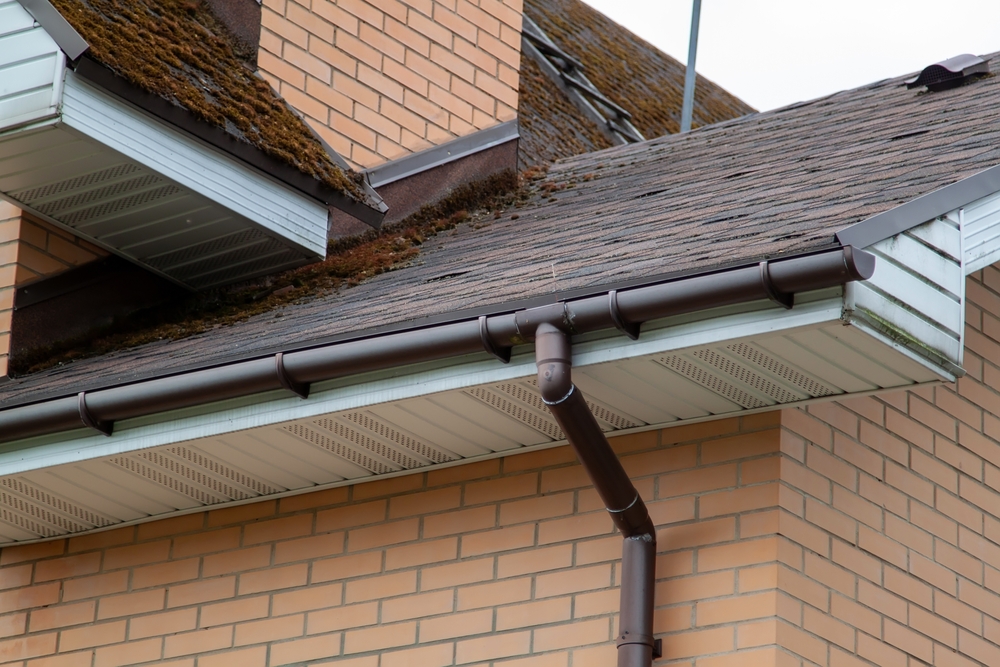
Choosing the right gutters for your home might seem like a minor detail, but in Northwest Georgia, it’s one of the most important decisions you can make to protect your property. Our region’s unique climate—defined by intense rainfall, high humidity, and an abundance of trees—places extraordinary demands on a home’s water management system. A gutter that works perfectly in a dry, flat, treeless suburb may fail spectacularly here.
Selecting the wrong type of gutter can lead to a cascade of costly problems, from a waterlogged basement and cracked foundation to rotted siding and destroyed landscaping. To make an informed choice, homeowners from Marietta to Cartersville need to understand how different gutter materials, styles, and sizes perform under our specific local conditions.
This guide will serve as your ultimate resource for selecting the best gutter system for a Northwest Georgia home. We will break down the options, weigh the pros and cons of different materials, and explain why certain features are not just nice to have, but absolutely essential for long-term protection in our environment.
Understanding the Enemy: Northwest Georgia’s Gutter Gauntlet
Before you can choose the right weapon, you must understand the battle. Gutters in our region face a three-pronged attack that causes inferior systems to fail.
- The Deluge: Intense Rainfall. Northwest Georgia is known for its high annual precipitation, but more importantly, its high rainfall rate. Spring and summer thunderstorms can unleash an incredible volume of water in a very short period. A gutter system must have the capacity to capture and channel this deluge without being overwhelmed.
- The Barrage: Heavy, Year-Round Debris. From the pines in Woodstock to the oaks in Vinings, our beautiful tree canopy is a primary source of gutter failure. It’s a year-round problem: pollen and seeds in the spring, leaves and twigs from summer storms, a massive leaf drop in the fall, and pine needles all year long. This debris creates clogs that lead to overflow.
- The Rot: Pervasive Humidity. Our famous Southern humidity is a silent killer of gutter systems. It accelerates rust and corrosion, promotes the decomposition of debris into a heavy, acidic sludge, and encourages wood rot in the fascia boards that support the gutters.
The best gutter system for a Northwest Georgia home is one that is specifically designed to conquer all three of these challenges simultaneously.
Gutter Materials: A Head-to-Head Comparison for Our Climate
The material your gutter is made from is the foundation of its performance and longevity. Here’s a look at the most common options and how they stack up in our environment.
Vinyl (PVC) Gutters
Often seen as a DIY-friendly option available at big-box stores, vinyl gutters are popular for their low cost and ease of installation. However, they are a poor choice for our region.
- Pros: Inexpensive, lightweight, won’t rust or corrode.
- Cons for Northwest Georgia:
- Lack of Durability: Vinyl becomes brittle over time, especially with exposure to the strong Georgia sun. It can crack under the weight of a ladder, become deformed by heavy, wet leaves, or shatter from the impact of a falling branch.
- Prone to Leaks: Vinyl gutters are sectional, and the rubber gaskets at the seams fail quickly. The material also has a high rate of thermal expansion and contraction, causing the pieces to pull apart and leak.
- Limited Capacity: Vinyl systems are typically only available in standard 5-inch sizes and have a lower flow capacity than metal gutters of the same size. They are easily overwhelmed by our heavy downpours.
Verdict: Avoid. The initial savings are not worth the short lifespan and high risk of failure and water damage.
Galvanized Steel Gutters
Decades ago, galvanized steel was a common choice for its strength. It’s a heavy, durable material capable of withstanding significant impact.
- Pros: Very strong, can withstand impacts from ladders and branches.
- Cons for Northwest Georgia:
- Vulnerability to Rust: This is the deal-breaker. Galvanized steel is coated in zinc to prevent rust, but our environment is uniquely hostile to this material. The acidic sludge from decomposing pine needles and leaves, common in places like Acworth, eats away at the zinc coating. Once a scratch exposes the steel underneath, our high humidity ensures that rust takes hold and spreads rapidly.
- Heavy and Difficult to Install: The weight of steel makes it difficult to install correctly and puts significant strain on your fascia boards.
Verdict: Not recommended. In our humid, acidic environment, the question is not if galvanized steel gutters will rust, but when.
Copper Gutters
Copper is the premium, high-end choice for gutter systems. It is undeniably beautiful and offers exceptional longevity.
- Pros: Extremely durable, will never rust, develops a beautiful patina over time, and adds significant curb appeal and value to a home.
- Cons for Northwest Georgia:
- Prohibitive Cost: Copper is, by a very large margin, the most expensive gutter material available. The cost can be 4-5 times that of an aluminum system.
- Requires Specialized Installation: Working with copper requires expert craftsmanship. It cannot be handled by a typical gutter installer.
Verdict: A fantastic but cost-prohibitive option. For historic homes or luxury properties where budget is not the primary concern (common in areas like Sandy Springs or Paces), copper is an outstanding, lifelong investment. For most homeowners, however, there is a more practical choice.
Aluminum Gutters: The Clear Winner for Northwest Georgia
For the vast majority of homes in our region, aluminum is the ideal gutter material. It offers the best combination of durability, cost-effectiveness, and suitability for our specific climate.
- Pros for Northwest Georgia:
- Corrosion Resistance: Aluminum does not rust. This is its single most important feature for our humid climate. It will not be eaten away by the damp, acidic sludge that sits in gutters.
- Lightweight yet Strong: Aluminum is lightweight, putting less stress on your fascia boards, but modern aluminum alloys are strong enough to withstand the rigors of our weather, especially in storm-prone areas like Kennesaw and Powder Springs.
- Available in a Seamless Design: This is a crucial advantage. Aluminum is the primary material used for seamless gutter systems, which are fabricated on-site to eliminate the weak points and leaks found in sectional gutters.
- Durable Finish: Aluminum gutters come with a factory-applied, baked-on enamel finish. This finish is incredibly durable, resists fading, chipping, and peeling, and provides an additional layer of protection. It’s available in a huge range of colors to perfectly match your home’s trim.
Verdict: Highly Recommended. A seamless aluminum gutter system is the gold standard for performance, longevity, and value in the Northwest Georgia climate. It is the go-to choice for professional companies providing gutter services in Marietta, Smyrna, and throughout the region.
Style and Size: Optimizing Your System for Rain and Debris
Once you’ve chosen aluminum as your material, the next critical decisions involve the style and size of your system. These choices are key to conquering our heavy rain and debris.
Gutter Style: K-Style is King
While there are a few gutter profiles available (like half-round), the K-style gutter is the dominant choice for residential homes, and for good reason.
- Higher Capacity: A K-style gutter can carry more water than a half-round gutter of the same width.
- Structural Strength: Its unique shape, with a flat back and decorative front, provides more structural rigidity, making it less prone to bending or warping.
- Easy Installation: The flat back allows it to be mounted flush against the fascia board, making for a straightforward and secure installation.
For these reasons, K-style is the standard for high-performance systems in our area, from Dallas to Kennesaw.
Gutter Size: Why Bigger is Better Here
This is one of the most critical and often-overlooked aspects of a gutter system in Northwest Georgia. Many homes are built with standard 5-inch K-style gutters. For our rainfall rates, this is often inadequate.
- 5-Inch Gutters: Can be sufficient for smaller roofs with simple, straightforward rooflines. However, on larger homes or homes with complex roofs and valleys that concentrate water flow, they are easily overwhelmed in a downpour.
- 6-Inch Gutters: This is the recommended size for most homes in our region. A 6-inch gutter can handle approximately 40% more water volume than a 5-inch gutter. This extra capacity is the crucial difference between containing a torrential downpour and having it overflow against your foundation.
- 7-Inch Gutters: For very large commercial buildings or residential homes with massive, steep roofs (like those with slate or tile), even larger 7-inch gutters may be necessary.
The Downspout Connection: The size of your gutters must be matched by the size of your downspouts. Using a 6-inch gutter with a standard 2×3-inch downspout is like connecting a fire hose to a garden hose—it creates a bottleneck. To maximize flow, 6-inch gutters should always be paired with larger, 3×4-inch downspouts. This high-flow combination is the key to managing our region’s intense storms. Homeowners in rainy areas like Powder Springs or Acworth will see an immediate benefit from this upgrade.
The Most Important Feature: A High-Quality Gutter Guard
You can install the best, largest, most perfectly pitched aluminum gutter system, but if it’s full of leaves and pine needles, it is completely useless. In Northwest Georgia, an unprotected gutter is a clogged gutter. Therefore, the single most important component of an effective gutter system is a high-quality gutter guard.
Not all gutter guards are created equal. Many cheap screens and foam inserts fail quickly in our environment. For our specific mix of large leaves, pine needles, pollen, and seeds, one type stands far above the rest.
Micro-Mesh Gutter Guards: The Non-Negotiable Component
Micro-mesh systems use a very fine screen, typically made of surgical-grade stainless steel, over a sturdy aluminum frame. This design is uniquely suited to our challenges.
- Blocks All Debris: The mesh is so fine that it blocks everything—large oak leaves, small maple seeds, and even pesky pine needles and shingle grit commonly found in Ball Ground and Canton. This completely prevents the formation of the clogs and sludge that cause overflows and corrode gutters.
- Handles Heavy Rain: High-quality micro-mesh systems are engineered using the principle of surface tension. Water clings to the mesh and is drawn into the gutter, while debris is washed or blown over the edge. They can handle a significant volume of water without “sheeting” over the top.
- Durability: The combination of a stainless steel mesh and a rigid aluminum frame will not rust, corrode, or warp in the sun. It is a permanent solution.
Installing a micro-mesh guard transforms your gutter system from a high-maintenance liability into a low-maintenance, high-performance asset. It is the crucial final piece of the puzzle for creating a system that can truly withstand the Northwest Georgia environment. This is a vital service offered by experts in communities like Smyrna, Mableton, and across the region.
The Definitive Gutter System for Northwest Georgia
Based on the specific environmental pressures of our region, we can build a clear picture of the ideal gutter system for a Northwest Georgia home.
The Perfect System consists of:
- Style: K-Style Gutters
- Construction: Seamless Design
- Material: Heavy-Gauge Aluminum with a Baked-On Enamel Finish
- Size: 6-Inch Gutters (minimum for most homes)
- Drainage: Oversized 3×4-Inch Downspouts
- Protection: A Professionally Installed, High-Quality Micro-Mesh Gutter Guard System
This specific combination directly counters each of our region’s unique challenges. The seamless aluminum construction resists humidity and corrosion. The 6-inch size and oversized downspouts manage intense storm rainfall. And the micro-mesh guard defeats the year-round assault of tree debris seen in places ranging from Woodstock to Vinings.
The Final Element: Professional Installation
The best components in the world will fail if they are not assembled correctly. Gutter installation is a job for professionals, not a weekend DIY project.
- Custom Fabrication: Seamless gutters must be fabricated on-site with a specialized machine to ensure a perfect fit.
- Fascia Inspection and Repair: A professional will inspect your fascia boards for rot and make necessary repairs before installation.
- Precise Pitch: Setting the correct slope for proper drainage is a science that requires experience and the right tools.
- Secure Mounting: Professionals use modern, heavy-duty hangers and long screws that anchor the system securely to your home’s underlying structure, ensuring it can withstand high winds and heavy loads.
Hiring a reputable, local company that understands our climate and building practices is the final step in securing a gutter system that will protect your home for decades. Whether you are in Canton, Ball Ground, or any community in between, professional installation is a non-negotiable part of the investment.
If you want to learn more or connect with a specialist, explore these local resources for Marietta, Smyrna, Sandy Springs, Mableton, Dallas, Powder Springs, Kennesaw, Acworth, Cartersville, Woodstock, Canton, Ball Ground, Vinings, and Paces.
Make the Right Choice for Your Home
Your gutters are more than just a decorative trim piece. They are a critical system that protects your most valuable asset from water damage. By choosing a system designed for the realities of our climate—a seamless, 6-inch aluminum system protected by micro-mesh guards—you are making a smart, proactive investment in the long-term health and value of your home. Don’t settle for a generic, one-size-fits-all solution. Choose the gutter system that is built to win the battle against the Northwest Georgia environment, and don’t hesitate to use local gutter professionals as resources for both advice and reliable installation.