


Gutters Overflowing – A Comprehensive Guide
Finding yourself drenched by your gutter system is far from desirable, especially when it comes to showering with gutter water. If you’re facing this issue, chances are you have overflowing gutters – and diagnosing the problem can be a daunting task.
But fret not, homeowners! We have your back. Introducing our comprehensive diagnostic guide for those pesky overflowing gutters. Say goodbye to expensive repairs and futile investments in gutter accessories that might not solve the problem. With this guide in hand, you’ll be able to identify the root cause and find the most effective and budget-friendly solution for your overflowing gutters. Let’s dive in and tackle this issue head-on!
Causes of Gutter Overflowing
During heavy rains, clogged gutters can wreak havoc by causing water to overflow rather than flowing through as intended. It’s important to understand the key factors that contribute to this issue, so you can prevent it and maintain efficient water drainage for your home.
First and foremost, clogged gutters are a common culprit. When debris such as leaves, twigs, and dirt accumulates in the gutters, it obstructs the flow of water, causing it to backup and overflow. Regular gutter cleaning can help keep them clear and functioning properly.
The size of the gutters in relation to the roof area is also crucial. Large roofs capture a significant amount of water during storms, and if the gutters are undersized, they can quickly fill up and overflow. Ensuring that your gutters are appropriately sized for your roof can help avoid this issue.
Another factor to consider is the presence of large valleys on the roof. These valleys can cause excess water to accumulate in a single section of the gutter, leading to overflow. Proper maintenance and inspection of your roof can help identify and address any potential issues. Gutter pitch, or the angle at which the gutters slope, is another important consideration. If the pitch is incorrect, water can pool in certain areas or flow too quickly towards the downspouts. Making sure the gutters are properly pitched can help prevent overflow. Sagging gutters are also problematic. Just like a tilted water glass, sagging gutters can cause water to spill over the sides. Regular inspection and maintenance of your gutters, including checking for any sagging, can help prevent this issue.
The drainage system, including downspouts, can also contribute to overflowing gutters. If the system is clogged or improperly installed, water flow can be hindered, leading to overflow. Regular upkeep and cleaning of the drainage system is essential for proper functioning.
Gutter guards, while effective at keeping debris out, still require occasional cleaning to maintain their effectiveness. Neglecting this maintenance can lead to clogged gutters and overflow. Regularly inspecting and cleaning the gutter guards can help prevent this issue.
Lastly, inadequate gutter coverage or insufficient downspouts can also result in overflow. Making sure that your gutters cover the entirety of your roof and that you have enough downspouts to handle the volume of water can help prevent overflow.
Remember, proper gutter placement is essential for effective water catchment. Placing the gutters just below the shingle edge ensures that they can efficiently collect the water and prevent overflow.
By keeping these key factors in mind and taking proactive measures, you can prevent gutter overflow and ensure efficient water drainage for your home. Don’t let this issue go unnoticed – tackle it head-on and enjoy peace of mind during heavy rains.
Preventing gutter overflows
To prevent gutter overflows, regular inspection and maintenance are crucial. Cleaning your gutters twice a year, checking for weaknesses and damage, allows you to address minor issues before they escalate. Additionally, scheduling a comprehensive roof inspection with a trained and certified professional annually is recommended. These inspections not only identify gutter problems but also assess the condition of your roof, shingles, and detect leaks. By being proactive, you can ensure the longevity and performance of your roof while avoiding potential water damage.
Maintenance and long-term solutions
For proper maintenance and long-term solutions to gutter issues, there are several options to consider. First, frequent gutter cleaning is a quick but short-term solution, especially if you have significant tree coverage. It is advisable to clean your gutters 2-4 times a year.
For a more sustainable solution, gutter guards can be installed. While not maintenance-free, they greatly reduce the need for regular upkeep. Another effective method is upgrading your gutters by hiring a professional gutter company to install a splash guard. This addition acts as a barrier, ensuring water is caught when it flows to a concentrated spot, preventing overflow. Additionally, have a gutter contractor inspect and repitch your gutters to optimize their performance. Remember to schedule a roof/gutter blow-off at least once a year to prevent debris accumulation on both your roof and gutter guards.
To enhance the layout of your gutter system, consult a gutter technician who can assess if adjustments or additional downspouts are needed. This solution is similar to repitching the gutters, but it may involve removing and reinstalling the gutter run to align properly under the roofline. Hiring a professional gutter specialist is recommended for this task to ensure proper installation.
Contact Top Rated Gutters for superior gutter overflow solutions in Cincinnati. We are your trusted experts in gutter installation. Don’t hesitate, call us today and experience the difference!
How To Fix An Overflowing Gutter
Poor gutter installation can lead to overflowing gutters, caused by improper slope or excessive steepness. This can result in standing water spilling into your home. To prevent such issues, ensure a professional installation with the correct slope.
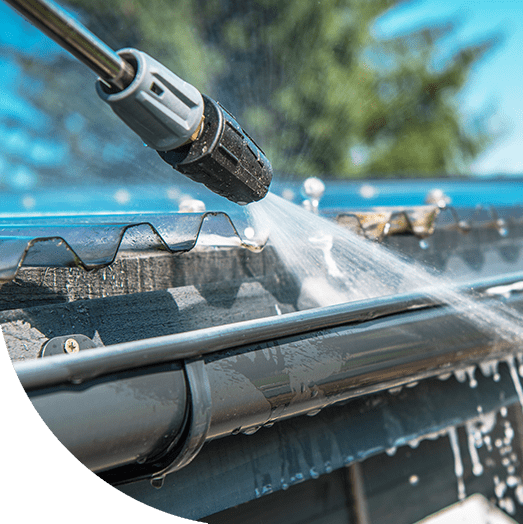
Cleaning gutters is an important maintenance task, and luckily, there are various options available. One convenient method is using a garden hose fitted with a telescopic gutter cleaning attachment to spray your gutters from the ground. This approach eliminates the need for precarious ladder climbing and complicated power tools. However, it’s worth noting that while this method is easy, it may not provide the most thorough cleaning as you won’t be able to see exactly what you’re clearing out.
If you find that your gutters are still overflowing even after cleaning, there might be another issue at hand. While it’s important to ensure that your gutters and downspouts are free from debris, there is a possibility that the downspouts themselves have become blocked. If this is the case, water will be unable to flow effectively from your gutters through the downspout, which can lead to unwanted overflow and potential damage to your home.
Damaged or leaking gutters pose a significant risk to various parts of your home. Gutters play a crucial role in directing water away from your windows, siding, and foundation, protecting them from potential damage. However, when gutters are compromised and fail to perform their function, several issues can emerge, including damage to your roof and fascia. These issues can lead to further problems such as roof leaks and wood rot, potentially causing extensive damage. Therefore, timely attention and repair of damaged or leaking gutters are of utmost importance to safeguard the integrity and longevity of your home.
Call a professional when your gutters pull away from your home’s exterior. Sagging or bending is a clear indication of improper drainage and excessive weight. Immediate attention is required if the gutter is blocked or filled with standing water.