



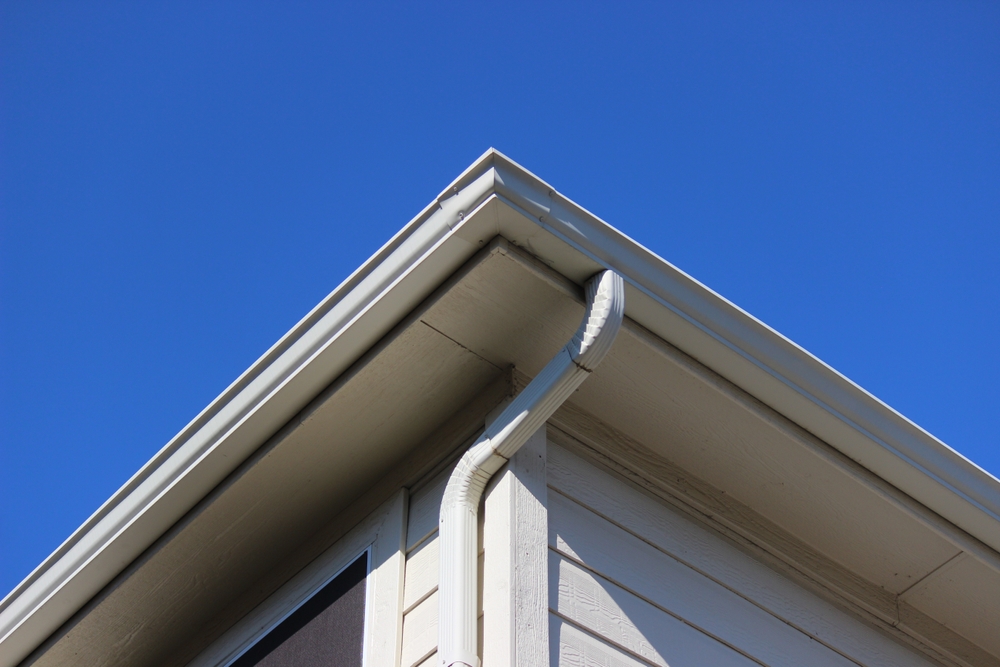
Every homeowner eventually faces a crucial decision when upgrading their exterior: choosing the right gutter system. It might seem like a minor detail compared to a new roof or fresh siding, but your gutters are the unsung heroes of your home’s structural integrity. They divert thousands of gallons of rainwater away from your foundation, protecting your basement from flooding, your landscape from erosion, and your siding from rot.
When it comes time for a gutter replacement, the two main contenders you will encounter are seamless gutters and traditional (sectional) gutters. While they perform the same basic function, the differences in their construction, performance, longevity, and maintenance requirements are vast.
In this comprehensive guide, we will break down the “Seamless vs. Traditional” debate. We will explore the pros and cons of each, compare their costs, analyze their durability, and help you determine which system is the better investment for your specific needs.
The Core Difference: Construction and Design
To make an informed decision, you first need to understand the fundamental difference in how these two systems are built and installed.
What Are Traditional (Sectional) Gutters?
Traditional gutters, often referred to as sectional gutters, are what you typically see on the shelves of big-box home improvement stores. They come in pre-cut sections, usually ranging from 10 to 20 feet in length.
To install them, these sections are pieced together using connectors, snap-in joiners, or sealants. If your roofline is 50 feet long, a traditional system might require three to five separate pieces joined together to cover that span. These gutters are typically made from vinyl (PVC), aluminum, or steel.
Key Characteristics:
- Assembly: Puzzle-pieced together with multiple seams.
- Availability: Readily available for purchase by the public.
- Installation: Often marketed as a DIY-friendly project.
What Are Seamless Gutters?
Seamless gutters are exactly what they sound like—gutters with no seams along the length of the trough. Unlike sectional gutters, you cannot buy them off the shelf. They are custom-fabricated on-site by professional contractors.
Using a specialized roll-forming machine housed in a truck or trailer, a flat coil of metal (usually aluminum) is fed through and shaped into a continuous gutter profile. The machine cuts the gutter to the exact length of your roofline. If your home has a 60-foot eave, the machine produces one single 60-foot piece of metal. The only joints in the entire system are at the corners (miters) and where the downspouts connect.
Key Characteristics:
- Assembly: Continuous runs custom-fitted to the home.
- Availability: Must be installed by a professional service.
- Installation: Requires specialized equipment and expertise.
Durability and Lifespan: Which System Lasts Longer?
When you invest in home improvement, you want it to last. The longevity of your gutter system depends heavily on its structural integrity and its ability to withstand the elements.
The Weakness of Seams
The primary flaw of traditional gutters lies in the connections. Every seam is a potential weak point. Over time, the sealant used to join sections together degrades due to exposure to UV rays, freezing temperatures, and summer heat. As the sealant cracks and the fasteners loosen, the sections can start to pull apart.
Furthermore, seams create ridges inside the gutter trough. These small bumps catch debris like pine needles, twigs, and shingle grit. As debris accumulates at the seams, it adds weight to the system and creates “dams” that trap water. This standing water accelerates corrosion (in steel gutters) and adds stress to the fascia board.
The Strength of Seamless
Seamless gutters eliminate these weak points entirely. Without mid-run connections, the structural integrity of the metal remains consistent from end to end. This makes them significantly more resistant to sagging and leaking.
Because they are installed using strong, hidden hangers screwed directly into the fascia (rather than spikes or nails), seamless systems can bear heavier loads of snow and ice without buckling. A professionally installed aluminum seamless system can easily last 20 to 30 years, and copper options can last upwards of 50 years. In contrast, vinyl sectional gutters often become brittle and crack within 10 to 15 years in harsh climates.
Winner: Seamless Gutters
Leak Protection: The Water Tightness Test
The primary job of a gutter is to control water. If it leaks, it is failing at its only purpose.
Why Traditional Gutters Leak
It is a simple rule of plumbing and construction: fewer joints mean fewer leaks. Traditional gutters have a joint every 10 to 20 feet. In a typical 2,000-square-foot home, you might have dozens of seams. Each one of those seams relies on a bead of caulk or a rubber gasket to stay watertight.
Once that seal fails—and it eventually will—water drips down the side of your house. These drips can seem minor, but over time they lead to:
- Stained siding or brickwork.
- Rotted fascia boards behind the gutter.
- Soil erosion around your foundation.
- Water infiltration in basements or crawlspaces.
The Seamless Advantage
Seamless gutters minimize leak points by design. Leaks can technically still occur at the corners (miters) or downspout outlets, but these areas are far easier to monitor and seal than 20 separate seams running across the front of your house. By removing the opportunity for failure along the roofline, seamless gutters provide superior protection for your home’s foundation and exterior.
Winner: Seamless Gutters
Maintenance: The Battle Against Clogs
Nobody enjoys cleaning gutters. It’s a dirty, dangerous, and tedious chore. However, the type of gutter you choose significantly impacts how often you need to climb that ladder.
The Debris Trap of Sectional Gutters
As mentioned earlier, the seams in traditional gutters act like speed bumps for water and debris. Small twigs and leaves get snagged on the sealant beads or the edges of the connectors. Once a few leaves get stuck, they catch more debris, eventually forming a blockage.
Because sectional gutters often use older mounting hardware (like spikes and ferrules) that pass through the middle of the gutter, there are even more obstacles for debris to catch on. This means you will likely need to clean traditional gutters at least twice a year, or more frequently if you have trees nearby.
The Smooth Flow of Seamless Systems
Seamless gutters offer a smooth, uninterrupted channel. Water flows freely, flushing out small debris more effectively. Modern installation methods use “hidden hangers” that clip inside the gutter without obstructing the flow. While seamless gutters are not immune to clogging—especially if you have large maple or oak trees—they are far less prone to the internal snags that plague sectional systems.
For the ultimate low-maintenance experience, many homeowners pair their seamless installation with professional gutter guards. You can learn more about how we integrate protection systems on our services page.
Winner: Seamless Gutters
Aesthetics and Curb Appeal
Your gutters outline your roof. They are a visible architectural element. While function is critical, form matters too.
The Look of Traditional Gutters
Sectional gutters can look clunky. The seams are visible from the ground, breaking up the clean horizontal line of your roof. Over time, as seams leak and stain, they can develop dark vertical stripes (tiger striping) that look unsightly. Additionally, vinyl sectional gutters often come in limited colors (usually just white or brown) and can fade or yellow in the sun.
The Look of Seamless Gutters
Seamless gutters provide a sleek, tailored appearance. Because they are custom-cut, they look like a built-in part of the home rather than an afterthought.
- Color Variety: Seamless aluminum comes in dozens of baked-on enamel colors. You can match your siding, trim, or roof perfectly.
- Material Options: Beyond aluminum, you can opt for galvanized steel or even copper for a high-end, classic aesthetic.
- Style Profiles: While the “K-style” (which mimics crown molding) is the standard for residential homes, seamless machines can also produce “half-round” gutters for a more historic or European look.
Winner: Seamless Gutters
Cost Comparison: Upfront Price vs. Long-Term Value
This is often the deciding factor for homeowners. Is the higher price tag of seamless gutters worth it?
The Cost of Traditional Gutters
If you look strictly at the upfront price of materials, traditional sectional gutters are cheaper. Vinyl sections are inexpensive, and because they are DIY-friendly, you can save on labor costs by installing them yourself.
- Pros: Lowest initial barrier to entry; good for sheds, garages, or quick fixes on a tight budget.
- Cons: Higher long-term costs due to maintenance, repairs, and earlier replacement. If you hire a handyman to install them, the labor cost often brings the total price closer to a professional seamless installation, negating the savings.
The Cost of Seamless Gutters
Seamless gutters cost more upfront. You are paying for higher-quality materials (thicker gauge aluminum), specialized machinery, and professional labor.
- Pros: It is an investment. The lifespan is longer, maintenance costs are lower, and they add value to the home.
- Cons: Higher initial sticker price.
The Verdict on Value:
When you calculate the “cost of ownership” over 10 or 20 years, seamless gutters are often cheaper.
- Sectional Gutter Math: Initial Cost + Frequent Sealant Repairs + Gutter Cleaning Costs + Replacement in 10-12 Years.
- Seamless Gutter Math: Initial Cost + Occasional Cleaning + 20-30 Years of Service.
Unless you are flipping a house quickly or working on a detached structure like a shed, the long-term ROI (Return on Investment) of seamless gutters is superior.
Winner: Seamless for Value; Traditional for Lowest Upfront Cost.
Installation: DIY vs. Professional
The installation process is where the two systems diverge most sharply.
Traditional Installation (The DIY Route)
Installing sectional gutters is a common weekend project for ambitious homeowners. It requires basic tools: a ladder, drill, hacksaw, and tin snips.
The Risks:
- Improper Pitch: Gutters must be sloped precisely (usually 1/4 inch per 10 feet) to drain. Get this wrong, and water will pool in the gutter or overflow.
- Safety: Working on a ladder is dangerous. Managing long sections of gutter while balancing is a recipe for accidents.
- Visual Defects: It is difficult for a non-professional to cut and join sections perfectly straight, often resulting in a wavy or uneven appearance.
Seamless Installation (The Professional Route)
Seamless gutters require a contractor. A professional team arrives with a mobile factory on wheels.
The Process:
- Measurement: Technicians measure your roofline with precision.
- Fabrication: The machine spins out gutters to the exact inch needed.
- Installation: The team installs the gutters using professional-grade hidden hangers, ensuring they are screwed into the rafters for maximum hold. They use a level to guarantee the pitch is perfect for water flow.
Hiring a professional service like Top Rated Gutters takes the risk and guesswork out of the equation. We ensure the system is properly sized (5-inch vs. 6-inch) to handle your roof’s water volume. If you are curious about what goes into a professional install, check out our seamless gutter installation page.
Winner: Seamless (for safety and quality assurance)
Summary Comparison Table
To summarize the differences, here is a quick reference guide:
| Feature | Traditional (Sectional) Gutters | Seamless Gutters |
| Material | Vinyl, Aluminum, Steel (sold in pieces) | Aluminum, Copper, Galvalume (continuous coil) |
| Leak Potential | High (seams every 10-20 ft) | Low (only at corners/downspouts) |
| Lifespan | 10–15 years | 20–30+ years |
| Aesthetics | Visible seams, limited colors | Sleek, custom-fit, wide color range |
| Clog Risk | Moderate to High (seams catch debris) | Low (smooth interior channel) |
| Installation | DIY or Handyman | Professional Contractor Required |
| Cost | Low upfront | Moderate to High upfront |
| Best Use Case | Sheds, small repairs, tight budgets | Primary residences, long-term investment |
Why Seamless Is the Industry Standard
There is a reason why the vast majority of professional gutter companies—including Top Rated Gutters—exclusively install seamless systems. They are simply a better product.
In the past, sectional gutters were the only option. But as manufacturing technology improved, the ability to roll-form metal on-site revolutionized the industry. Today, installing sectional gutters on a standard residential home is often considered outdated technology, akin to installing single-pane windows.
The benefits of seamless technology extend beyond the gutter trough itself. Because these systems are custom-built, they allow for better integration with:
- Custom Downspouts: Ensuring water is moved far enough away from the home.
- Drip Edge Flashing: Preventing water from getting behind the gutter.
- Soffit and Fascia Protection: Keeping the wood structure of your roof dry.
Making the Decision for Your Home
So, which is better for you?
Choose Traditional Gutters If:
- You are installing gutters on a detached garage, shed, or outbuilding.
- You are on an extremely strict budget and cannot afford professional installation.
- You have significant DIY experience and are comfortable working on ladders.
- You are preparing a home for a quick sale and just need a functional system to pass inspection.
Choose Seamless Gutters If:
- You plan to stay in your home for several years and want a long-term solution.
- You want to minimize exterior maintenance chores.
- You care about the curb appeal and look of your home.
- You want a warranty on materials and workmanship.
- You live in an area with heavy rain, snow, or ice.
Frequently Asked Questions
Q: Can I install seamless gutters myself?
A: No. The machinery required to fabricate seamless gutters costs thousands of dollars and is mounted in large commercial vehicles. While you can technically buy pre-cut long sections from some suppliers, transporting a 40-foot piece of aluminum without bending it is nearly impossible for a homeowner.
Q: Are seamless gutters more expensive to repair?
A: Ideally, they need fewer repairs. However, if a tree branch falls and crushes a section of seamless gutter, the entire run usually needs to be replaced to maintain the seamless integrity. With sectional gutters, you can just replace the damaged 10-foot piece. That said, the infrequency of repairs for seamless systems generally offsets this potential downside.
Q: Do seamless gutters come with warranties?
A: Yes. Most reputable installers offer warranties on both the material (paint finish) and the labor. Sectional gutters bought at a store usually have limited warranties on the material only, and if you install them incorrectly, that warranty is often voided.
Q: How do I know what size seamless gutter I need?
A: The standard residential size is 5 inches (K-style). However, if you have a large, steep roof or live in a region with torrential downpours, a 6-inch oversized gutter may be necessary to handle the volume of water. A professional installer can calculate the necessary capacity based on your roof’s square footage.
Conclusion: The Clear Winner
While traditional gutters have their place in the DIY world, seamless gutters are the superior choice for residential homes. They offer better protection against leaks, require less maintenance, last longer, and look better.
Your home is likely your most valuable asset. Protecting it from water damage is not the place to cut corners. By choosing a seamless system, you are choosing peace of mind. You are ensuring that during the next heavy storm, the water will be safely channeled away from your foundation, rather than dripping through a failed seam onto your front porch.
At Top Rated Gutters, we specialize in high-quality, custom-fabricated seamless gutter systems tailored to your home’s unique needs. We serve homeowners in Ohio, Indiana, and Georgia with professional installation and top-tier customer service.
Don’t settle for a temporary fix. Upgrade to a gutter system that works as hard as you do. If you are ready to discuss your options or get a free quote, visit our contact page today. Whether you need a full replacement or are just exploring your options, our team is here to help you make the best choice for your home.