



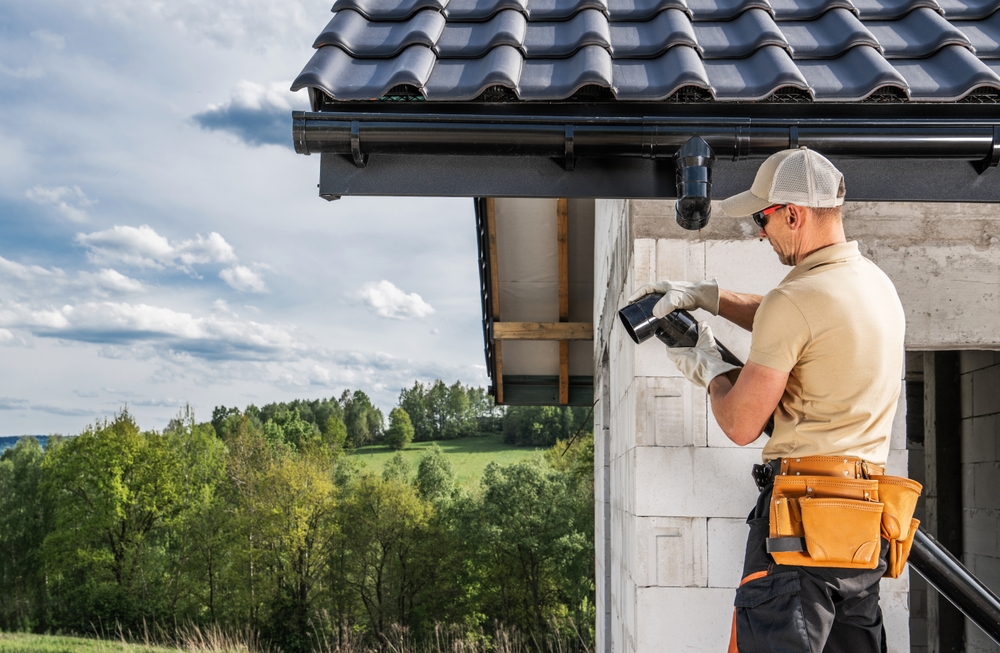
Your home is likely your biggest investment. Protecting it requires more than just a sturdy roof and solid foundation; it requires a reliable water management system. While many homeowners might view gutters as simple metal troughs attached to the roofline, the reality is far more complex. A truly effective gutter system is a feat of engineering, designed to capture thousands of gallons of rainwater and divert it safely away from your home’s vulnerable areas.
The difference between a functional system and a failing one often comes down to the installation. Professional gutter installation isn’t just about nailing up aluminum; it is a precise, calculated process that utilizes specialized equipment to ensure a custom fit. Unlike DIY kits that come in segmented pieces, professional installations focus on seamless integration, durability, and hydraulic efficiency.
In this comprehensive guide, we will pull back the curtain on how professional gutter installation works. We will walk you through the entire journey—from the initial assessment to the final inspection—highlighting the precision-fit process that sets expert contractors apart. Whether you are building a new home or replacing an aging system, understanding this process ensures you know exactly what goes into protecting your property.
Phase 1: The Initial Assessment and Consultation
Before a single piece of metal is cut, a significant amount of planning must occur. Professional gutter installation begins with a thorough evaluation of your home’s specific needs. No two roofs are exactly alike, and rainfall patterns vary significantly depending on local climate and landscaping.
Evaluating the Existing System
If you are replacing old gutters, the first step involves a forensic look at the current system. Professionals look for:
- Rotting fascia boards: Signs that the previous gutters leaked or overflowed behind the metal.
- Soil erosion: Indications that downspouts were placed incorrectly or weren’t long enough.
- Siding stains: Evidence of “tiger striping” or overflow issues.
- Structural damage: Checking if the weight of the old gutters pulled away from the rafters.
This evaluation helps the installer understand why the previous system failed so they can engineer a better solution.
calculating Water Volume and Pitch
This is where the science of professional gutter installation comes into play. Installers don’t just guess the size of the gutter needed; they calculate it. Factors include:
- Roof Surface Area: The total square footage of the roof that drains into a specific gutter run.
- Roof Pitch: Steeper roofs shed water faster, requiring larger or deeper gutters to catch the high-velocity runoff.
- Rainfall Intensity: Local weather data is used to determine the maximum rainfall volume the system must handle.
Based on these calculations, the professional will recommend either standard 5-inch gutters or high-capacity 6-inch (or larger) gutters. They will also determine the optimal number and placement of downspouts to ensure the system doesn’t bottle-neck during a heavy storm.
Material Selection and Aesthetics
During the consultation, you will choose materials that balance durability with curb appeal. While aluminum is the most common choice due to its rust resistance and color options, professionals can also install copper, steel, or zinc gutters. This is the stage where you decide on colors that complement your siding, trim, or roof shingles.
For more on choosing the right materials, read our guide on Choosing the Right Gutter Material.
Phase 2: Site Preparation and Safety Measures
Once the plan is set, the installation crew arrives. A professional crew distinguishes itself immediately through site preparation and safety protocols. Gutter installation involves working at heights, often with heavy materials, so safety is paramount.
Protecting Your Property
Before ladders go up, the crew prepares the perimeter of your home. This involves:
- Landscaping Protection: Moving outdoor furniture, covering delicate shrubs, and ensuring flower beds aren’t trampled.
- Stabilization: setting up ladder stabilizers (stand-offs) to prevent the ladders from crushing your siding or resting directly on the gutter face.
- Debris Management: Designating a specific area or using a dump trailer for old gutter disposal to keep your yard clean.
Removal of Old Gutters (The Tear-Down)
If existing gutters are present, they must be removed carefully. This isn’t a demolition; it’s a careful extraction. Installers manually unscrew hangers and remove spikes to minimize damage to the fascia board. If the old gutters are simply ripped off, it can splinter the wood behind them, creating a weak surface for the new installation.
Once the old metal is gone, the “naked” fascia is inspected. If any wood rot is discovered—which is common behind old, leaking gutters—it must be repaired or replaced before the new gutter installation process can proceed. Installing new precision gutters on rotten wood is a recipe for failure, as the fasteners won’t hold.
Phase 3: The Precision-Fit Fabrication Process
This phase is the heart of professional installation and the biggest differentiator from DIY methods. The “seamless” advantage is created right in your driveway.
On-Site Roll Forming
Professional installers bring a specialized machine called a roll former to the job site. This machine contains a coil of flat metal (aluminum, steel, or copper) in the color you selected.
- Feeding the Coil: The flat metal is fed into one end of the machine.
- Forming the Profile: Inside the machine, a series of rollers progressively bend the metal into the “K-style” or “Half-Round” profile.
- Continuous Run: The machine extrudes the gutter in one continuous piece. The installer measures the roofline and produces a gutter run that is the exact length of that side of the house.
This technology allows for precision-fit gutters that span 50, 60, or even 100 feet without a single seam. Seams are the weakest points in any gutter system; they are where leaks start and where debris gets caught. By eliminating seams (except at corners), professional installation drastically increases the lifespan and reliability of the system.
Custom Corner Fabrication
While the straight runs are seamless, corners (miters) are unavoidable. However, professionals handle corners differently than amateurs. instead of using “box miters” (pre-fabricated corners that slide over the gutter), professionals often cut custom angles on the gutter ends.
- Strip Miters: A single seam connection that is less visible and less prone to leaking.
- Hand-Cut Miters: For high-end materials like copper, artisans may hand-cut and solder the corners for a watertight, permanent bond.
This attention to detail ensures that even the necessary seams are as strong and leak-proof as possible.
Phase 4: Installation and Pitching
Fabricating the gutter is only half the battle; hanging it correctly is where the skill lies. If a gutter is hung perfectly level, water will stand still. If it is pitched too steeply, it looks crooked and unattractive on the home. Professionals must find the “Goldilocks” zone.
Establishing the Slope
Water needs gravity to move. The industry standard for proper pitch is approximately 1/4 inch of slope for every 10 feet of gutter.
- The Chalk Line: Installers use a chalk line to snap a reference line on the fascia board. This line represents the precise angle needed to drain water toward the downspout.
- High Point to Low Point: The gutter is installed following this line, ensuring that the “high point” is farthest from the downspout and the “low point” is at the drain outlet.
This slope is often imperceptible to the naked eye from the street, maintaining the home’s aesthetic lines while ensuring hydraulic function.
Hidden Hanger Installation
Gone are the days of “spikes and ferrules”—those large nails that eventually work themselves loose, leaving gutters sagging. Professional gutter installation utilizes hidden hangers.
- Design: These brackets clip inside the gutter and are invisible from the ground.
- Strength: They are screwed directly into the fascia and often into the rafter tails behind it using heavy-duty screws.
- Spacing: Professionals space these hangers every 24 inches (or closer in snow-heavy climates) to ensure the gutter can support the weight of heavy rain, wet leaves, and ice.
This secure attachment method ensures the gutters stay tight against the fascia, preventing water from dripping behind the system and rotting the wood.
Learn more about why secure installation is vital in our post on How Proper Gutter Installation Prevents Roof Leaks.
Phase 5: Downspout and Outlet Installation
The gutters catch the water, but the downspouts carry it away. The transition between the two is a critical choke point.
cutting the Outlets
Professionals use a specialized punch or hole saw to create a clean, perfect opening for the drop outlet.
- The “X” Cut vs. The Punch: Amateurs often cut an “X” in the metal and bend the tabs down. This creates sharp edges that catch leaves and debris, causing clogs. Professionals punch a clean hole and install a specialized drop outlet (a funnel-like piece) that facilitates smooth water flow.
Securing the Downspouts
The downspouts are attached to the home using straps or brackets.
- Aesthetics: The straps are color-matched to the downspout and siding.
- Placement: Downspouts are placed strategically to minimize visual clutter while maximizing drainage efficiency.
- Elbows: The elbows (the bent pieces) are crimped and screwed together to ensure they don’t blow apart during high-pressure storms.
Managing Discharge
The most important part of the downspout is where it ends. Dumping water right at the foundation defeats the purpose of gutters. Professionals ensure the downspout extends at least 4-6 feet away from the foundation, or connects directly into an underground drainage system. This protects your basement and slab from hydrostatic pressure and cracking.
Phase 6: Sealant Application and Waterproofing
Metal-to-metal connections are not naturally watertight. They require high-performance sealants to ensure no drips occur.
The Right Sealant
You won’t find standard kitchen caulk on a professional job site. Installers use industrial-grade sealants specifically designed for gutters.
- UV Resistance: The sealant must withstand constant sun exposure without cracking.
- Flexibility: Gutters expand and contract with temperature changes (thermal expansion). The sealant must stretch and compress without breaking the bond.
- Self-Leveling: For inside corners and end caps, self-leveling sealants fill every microscopic gap to create a rubber-like waterproof barrier.
Every end cap, mitered corner, and outlet drop is meticulously sealed. This step is critical; a tiny pinhole leak can lead to a steady drip that stains concrete or erodes landscaping over time.
Phase 7: Quality Control and Clean-Up
The job isn’t done when the tools are packed away. A professional installation includes a rigorous quality control process.
The Water Test
Often, installers will perform a water test (if a hose is available) or a visual inspection to ensure the pitch is correct. They check to make sure water flows freely toward the outlets and doesn’t pool in the middle of the run.
Structural Check
The foreman will typically check the hangers to ensure they are tight and properly spaced. They check the fascia to ensure no gaps exist between the wood and the gutter. They verify that the downspouts are vertical (plumb) and securely strapped to the siding.
Site Clean-Up
A hallmark of professional gutter installation is leaving the site cleaner than it was found.
- Magnetic Sweep: Crews use large rolling magnets to sweep the yard and driveway for dropped screws or metal shavings. Metal shards can be dangerous for tires, pets, and children.
- Debris Removal: All old gutter materials, packaging, and metal scraps are hauled away for recycling.
Why “Precision-Fit” Matters for Longevity
Throughout this guide, we’ve mentioned “precision-fit.” But why is this specific term so important for homeowners?
Precision-fit gutters are designed to act as a seamless extension of your roofline. When gutters are pieced together from store-bought sections:
- They Leak: Every seam is a potential failure point.
- They Sag: Without continuous structural integrity, joints buckle under heavy loads.
- They Clog: Interior ridges at connection points trap debris.
By utilizing on-site fabrication and custom measurements, professionals create a system that is structurally superior. The continuous metal channel offers rigidity that segmented systems cannot match. Furthermore, because it is custom-measured to your home’s exact dimensions, it handles thermal expansion better, reducing the warping and pulling away that plagues DIY installations.
The Role of Gutter Guards in Installation
Many homeowners choose to install gutter protection systems simultaneously with their new gutters. This is the ideal time to do so.
- Integrated Installation: Installing guards during the initial hang allows the installer to secure the guards firmly to the lip of the gutter and the fascia, often strengthening the entire assembly.
- Compatibility: The installer ensures the guard selected is perfectly compatible with the gutter profile and the roof pitch.
If you are considering reducing maintenance, ask your professional about including this in the installation package.
Read more about maintenance and protection in our article: Transform Your Home with DIY Gutter Replacement Magic. (Note: While DIY is an option, this article highlights the complexity involved, reinforcing the value of professional help).
Common Questions About Professional Installation
How long does the process take?
For an average-sized single-family home, a professional crew can typically complete the fabrication and installation in one day. Larger homes or complex rooflines with multiple dormers and valleys may take two days.
Will the installation damage my roof?
No. Professional installers are trained to work at the eave edge without disturbing the main field of shingles. In fact, properly installed gutters protect the roof edge by preventing water from wicking back up under the shingles (capillary action).
Do I need to be home?
Usually, you do not need to be home for the exterior work, provided the crew has access to power (for the roll-forming machine) and the perimeter of the house is accessible. However, being available for the final walkthrough ensures you are 100% satisfied with the aesthetics and placement.
The Cost vs. Value Equation
It is undeniable that hiring a professional costs more than buying vinyl sections at a hardware store. However, when evaluating the investment, consider the gutter installation process as a whole.
You are paying for:
- Engineering: Correct sizing and pitch calculations to prevent flooding.
- Fabrication: Seamless, custom-length metal channels.
- Materials: Heavy-gauge aluminum or copper that lasts decades.
- Safety: Avoiding the significant risk of climbing ladders yourself.
- Warranty: Most professional installations come with warranties on both materials (often 20+ years) and craftsmanship.
When a cheap gutter fails, the cost of repairing water-damaged siding, flooded basements, or cracked foundations far exceeds the price difference of a professional installation.
For signs that your current system is failing and needs this professional touch, review our guide: When Should You Replace Your Gutters in Alpharetta?
Conclusion: Trusting the Process
The journey from a coil of metal to a fully functioning water management system is a blend of craftsmanship, mathematics, and engineering. Professional gutter installation is a specialized trade that protects the structural integrity of your home.
By understanding the step-by-step mechanics—the assessment, the roll-forming, the precise pitching, and the meticulous sealing—you can appreciate the value expert installers bring to the table. They provide not just a product, but a precision-fit solution tailored to your home’s unique architecture and the weather challenges it faces.
Don’t leave your home’s defense to chance or segmented plastic. Trust the seamless, engineered approach of professional installation to keep your home dry, safe, and beautiful for years to come.
Key Takeaways:
- Custom Design: Professionals calculate water volume and roof pitch to size gutters correctly.
- Seamless Technology: On-site roll forming eliminates seams, preventing leaks and improving durability.
- Precision Pitching: Expert installers use levels and chalk lines to ensure perfect drainage slope.
- Secure Fastening: Hidden hangers provide superior strength and a cleaner look compared to old spikes.
- Comprehensive Clean-Up: Magnetic sweeps and debris removal ensure your property is left pristine.
Ready to upgrade your home’s protection? Contact Top Rated Gutters today for a consultation and experience the difference of a precision-fit installation.