



Key Takeaways
- Clean gutters twice a year — clear out debris before winter and again in spring to keep water flowing freely.
- Remove roof debris — prevent buildup that can clog gutters and cause overflow or ice dams.
- Inspect for damage — check for rust, leaks, holes, and corroded joints, especially after heavy storms.
- Seal weak spots early — patch minor leaks or loose joints with sealant to avoid bigger repairs later.
- Replace worn gutters — upgrade to durable materials like aluminum, copper, or vinyl if your system is damaged.
- Don’t forget downspouts — make sure they’re clear, leak-free, and positioned to direct water away from your foundation.
- Consider downspout extenders — improve drainage and prevent water from pooling near your home.
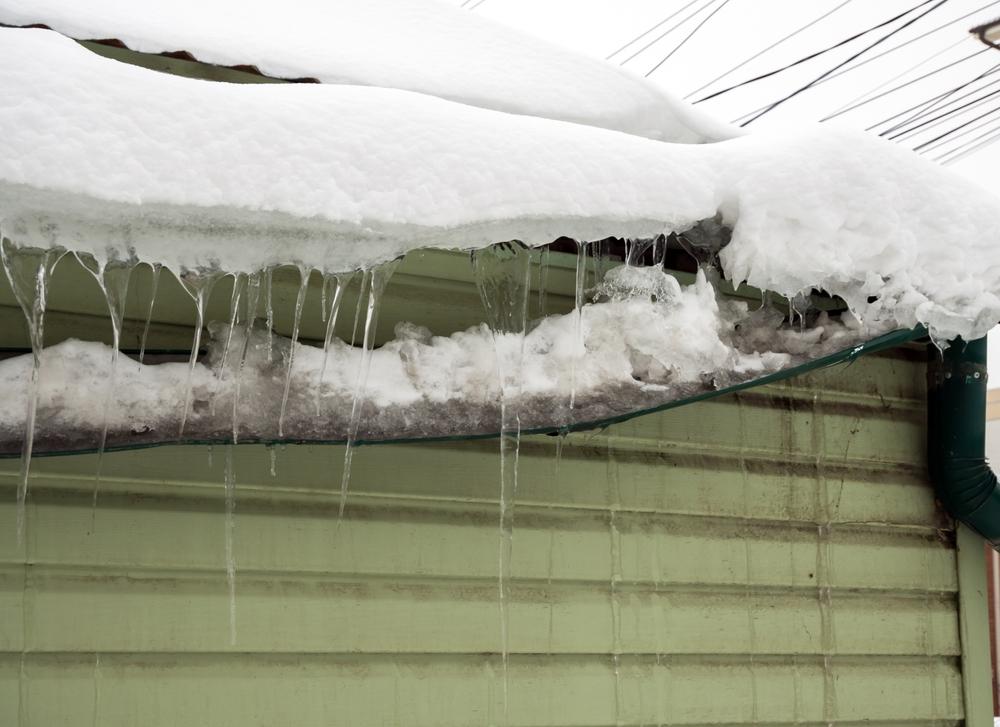
As the winter season approaches, it’s crucial to ensure your gutters are ready to withstand the cold weather. Regular maintenance and inspections are vital to keep your gutters free of debris and in good condition.
Here are some essential tips to help you maintain your gutters and protect your roof:
- Clean your gutters at least twice a year: We recommend cleaning your gutters before the winter season and again in the spring. However, it’s a good idea to inspect them after any severe storms. Removing any debris that has accumulated will help keep your gutters and downspouts clear.
- Clear the roof of existing debris: Debris from your roof can accumulate in your gutters, causing blockages. If you’re comfortable and knowledgeable, you can clean the roof yourself. But if you’re unsure or don’t feel safe doing it, it’s best to hire professional roofing contractors who can clean your roof effectively while keeping themselves and your property safe.
- Inspect for rust, leaks, and holes: Once your gutters are clean and the downspouts are clear, carefully inspect them for any signs of rust, leaks, holes, or corroded joints. Pay close attention to the gutter joints, as they are more prone to these issues.
- Patch and seal weak spots: If you find any rust, leaks, or weak joints, consider using a gutter patching kit and applying sealant to reinforce those areas. Additionally, if you notice any detached gutter framework, make sure to reattach it promptly.
- Replace damaged gutters if necessary: If your gutters appear extensively damaged or dilapidated, it’s worth considering a replacement. Aluminum, copper, or vinyl gutters and downspouts are durable options that resist rust and last longer.
By following these steps and performing regular gutter maintenance, you can ensure that your gutters are in optimal condition, preventing potential issues such as roof leaks and damage. Don’t underestimate the importance of maintaining your gutters; it will safeguard your home during the winter season and beyond.
Don’t Overlook the Importance of Downspouts
While gutters carry water and debris that washes off the roof, downspouts play a crucial role in channeling it away. Without them, water can accumulate at the foundation of your home, posing a potential risk.
Make sure to inspect the downspouts for issues like rust, leaks, holes, or corroded joints, just like you did for the gutters. Repair any compromised areas and replace downspouts that are beyond repair. Are you concerned about runoff pooling near your foundation or walkways? Now is the perfect time to consider using downspout extenders for better drainage.
Are you finding it difficult to inspect and repair your roof’s gutter and downspouts before winter amidst the busy fall season? Fret not! Contact us today at Top Rated Gutters and let our team do the work for you. We’ll ensure your gutters are well-prepared for the upcoming winter season.
Frequently Asked Questions
- How often should I clean my gutters before winter?
At least twice a year—once before winter and once in spring, plus after major storms if needed. - What’s the best way to check for gutter damage?
Inspect joints and corners for rust, cracks, or leaks after cleaning, using a flashlight to spot hidden issues. - Can I patch small gutter leaks myself?
Yes, minor leaks can be sealed using a gutter patch kit or waterproof sealant. Larger damage may need professional repair. - Why are downspouts just as important as gutters?
They direct water away from your foundation—without them, runoff can cause flooding and structural issues. - What are downspout extenders, and do I need them?
They’re attachments that extend your downspout’s reach, helping divert water farther from your home to prevent pooling and erosion.